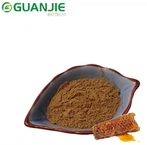
Pure Ferulic acid powder is a well-known plant-based phenolic compound widely used in cosmetics, pharmaceuticals, nutraceuticals, and the food industry. While it boasts an impressive range of benefits - including antioxidant, anti-inflammatory, and UV-protective properties - one of the more curious and often overlooked aspects of ferulic acid is its distinct odor. Why does ferulic acid smell? What causes its odor? Is it a property of pure ferulic acid, or is it linked to impurities during synthesis or extraction?

What Is Ferulic Acid?
Ferulic acid (4-hydroxy-3-methoxycinnamic acid) is a hydroxycinnamic acid commonly found in plant cell walls, especially in rice bran, wheat, oats, coffee, and corn. It exists mostly in its bound form - esterified to lignin or arabinoxylans.
Chemical formula: C₁₀H₁₀O₄
Molecular weight: 194.18 g/mol
Pure Ferulic acid powder has a distinctive smell that varies depending on purity and source. Let's dig into why this occurs.
Why Does Ferulic Acid Smell?
Ferulic acid is a phenolic compound widely recognized for its powerful antioxidant, anti-inflammatory, and UV-protective properties. It is commonly used in cosmetics, nutraceuticals, and functional foods. But why does pure ferulic acid powder have a noticeable smell?
The answer lies not only in the molecular structure of ferulic acid itself but also in its method of synthesis, potential contamination, and how it is stored. In this article, we'll explore the chemical basis behind ferulic acid's odor, what causes certain batches to smell more pungent than others.
The Chemical Basis of Ferulic Acid's Odor
To understand why ferulic acid has an odor, we need to consider what makes any substance capable of producing a smell. In general, molecules are perceived as odorous when they are volatile enough to evaporate into the air and interact with the olfactory receptors in our nasal cavity. Importantly, even trace levels of volatile substances-especially impurities-can significantly affect the smell of pure ferulic acid powder.

Ferulic acid has a moderate vapor pressure at room temperature. While it is not highly volatile like essential oils, it can release certain aromatic compounds into the air, particularly when exposed to warm or humid conditions. In its purest form, ferulic acid gives off a mild, sweet, slightly spicy scent, with undertones that may resemble clove or vanilla. This is due to its chemical structure, which includes several odor-relevant components:
•Aromatic ring:
This benzene-like structure is a common feature in molecules that carry a warm or spicy fragrance.
•Methoxy group (-OCH₃):
Found in compounds like vanillin, this group contributes a sweet, vanilla-like note.
•Unsaturated side chain:
The presence of a double bond within the side chain adds complexity to the aroma.
Together, these structural elements allow Pure Ferulic acid powder to interact with human olfactory receptors in subtle ways, leading to a generally pleasant, low-intensity scent when the compound is pure.
However, not all ferulic acid products on the market offer this clean aroma. Many commercially available forms of ferulic acid exhibit a much stronger, more pungent, or even unpleasant odor. This is typically a sign that the material contains chemical impurities or degradation products, most commonly from the synthetic process used during its manufacture.
Pyridine Contamination – The Most Common Cause of Off-Odor
One of the major reasons ferulic acid smells unpleasant in some samples is due to residual pyridine, a solvent or reagent often used in the chemical synthesis of ferulic acid from vanillin. Pyridine is an organic compound with a strong, disagreeable smell-often described as fishy, pungent, or ammonia-like. Even in extremely small amounts, pyridine has a very low odor threshold, which means it can dominate the scent of a finished product.
Many industrial manufacturers opt for pyridine-based synthesis routes because they are cost-effective and relatively simple. Unfortunately, unless rigorous purification steps are taken, traces of pyridine can remain in the final product. These residual solvents not only compromise the olfactory quality of the material but may also raise safety and compliance concerns in cosmetic or food applications.
Ideally, pure ferulic acid powder should emit only a faint, sweet, phenolic aroma. If the smell is sharp or unpleasant, pyridine contamination is the most likely culprit.

This is where Guanjie Biotech's bulk ferulic acid powder (purity 99%) offers a significant advantage. Through optimized production methods and advanced purification processes, Guanjie Biotech guarantees:
•No pyridine content detected
•High-purity crystalline material
•White color with minimal odor profile
Degradation Products in Odor Development
Even when synthesized using clean methods, pure ferulic acid powder can develop off-odors during storage, especially if it is exposed to light, oxygen, heat, or moisture. Over time, ferulic acid can break down into secondary compounds-many of which are themselves volatile and aromatic.
Decomposition Products include:
- Vanillin
One of the most well-known breakdown products of pure ferulic acid powder is vanillin, the compound responsible for the characteristic scent of vanilla. While vanillin has a pleasant smell in isolation, its presence in ferulic acid is a sign of oxidative degradation, especially when the compound has been stored for too long or under inappropriate conditions.
- 4-Vinylguaiacol
This compound is responsible for a clove-like aroma and is commonly found in some aged beers and smoked foods. It forms when ferulic acid undergoes decarboxylation, particularly under heat or enzymatic conditions. While not harmful, its strong odor can overwhelm delicate formulations and is usually unwanted in cosmetic or food-grade applications.
- Phenolic Aldehydes and Ketones
These degradation byproducts often emit smoky, medicinal, or musty odors. They result from further breakdown of the phenolic backbone of ferulic acid and can be detected even at low concentrations.
Once these volatile compounds form, they significantly change the odor profile of the pure ferulic acid powder product, even if the ferulic acid itself remains largely intact. This is why storage conditions play a crucial role in preserving the quality and odor neutrality of ferulic acid.
How to Prevent Odor Issues in Ferulic Acid?
If you're working with ferulic acid-whether in formulation development or purchasing bulk quantities-it's important to consider both the source and the handling of the material. To minimize odor-related issues, follow these recommendations:
•Source high-purity ferulic acid from trusted manufacturers that use clean, solvent-free (or well-purified) synthesis methods.
•Avoid pyridine-synthesized products, unless the pure ferulic acid powder supplier can provide verified testing results showing no solvent residue.
•Store ferulic acid in airtight, opaque packaging, away from heat, moisture, and sunlight.
•Use the material quickly after opening or keep it under nitrogen to prevent oxidation.
At Guanjie Biotech, we take these precautions seriously. Our ferulic acid powder is manufactured under strict GMP conditions and undergoes thorough testing for residual solvents, heavy metals, and microbial contamination. We also offer custom packaging solutions that preserve freshness and extend shelf life.
Does Production Method Affect Odor?
The odor associated with pure ferulic acid powder is often misunderstood. In its pure form, ferulic acid has a very mild, slightly phenolic scent that is barely noticeable. However, in many commercial samples, a strong, sharp, or pungent odor is often reported - leading to the question: is this smell inherent to ferulic acid, or is it caused by impurities introduced during synthesis or extraction?
The answer lies in the source and processing method. Naturally derived ferulic acid, such as from rice bran extract, typically exhibits minimal to no odor, as it is extracted without harsh solvents. However, this method is costly and less scalable.
In contrast, synthetic ferulic acid, especially when produced using pyridine as a reaction solvent, often contains residual pyridine - a compound known for its strong, unpleasant, fishy smell. Even trace amounts can significantly alter the overall odor of the final pure ferulic acid powder. Therefore, the offensive smell commonly associated with some ferulic acid samples is not a characteristic of the pure compound itself, but rather the result of impurities or poor purification.
|
Source |
Typical Odor |
Purity Concerns |
Color |
|
Rice Bran Extract |
Mild, almost odorless |
High cost |
Yellowish to white |
|
Synthetic (with pyridine) |
Sharp, pungent |
Pyridine residue risk |
Beige to yellow |
|
Guanjie Biotech's Pure Ferulic Acid |
Clean, faint phenolic |
No pyridine |
White |

At Guanjie Biotech, we offer Ferulic Acid 99% with no pyridine content, high crystallinity, and a clean, neutral odor, making it ideal for cosmetics, food, and pharmaceuticals. Welcome to inquire at info@gybiotech.com.
How to Evaluate the Odor of Ferulic Acid?
Evaluating the odor of pure ferulic acid powder is a quick and effective way to assess its purity. While ferulic acid in its purest form has only a mild, slightly sweet phenolic scent, impurities-especially residual solvents-can cause strong, unpleasant odors.
Sensory Evaluation
Begin with a simple smell test. Place a small amount of ferulic acid powder in a clean, neutral glass container and gently waft the air above it. Pure ferulic acid typically has a faint, non-offensive aroma. If you notice any sharp, chemical, fishy, or pungent odors, the pure ferulic acid powder may be contaminated or degraded.
Solvent Residue Testing
To confirm the presence of volatile contaminants such as pyridine, laboratory analysis is recommended. Gas chromatography (GC) is the standard method used to detect trace levels of residual solvents. Pyridine, a common synthetic reagent, has a particularly strong and unpleasant smell and should not be present in high-purity ferulic acid.
Comparison Against High-Purity Standards
A reliable way to assess odor quality is by comparing the sample to a known high-purity standard. Pharmaceutical- or cosmetic-grade ferulic acid powder should be nearly odorless. Any deviation from this indicates potential quality issues.
The odor of pure ferulic acid powder isn't just an aesthetic issue - it's often a sign of chemical impurities, residual solvents, or degradation. Pyridine, in particular, is a major contaminant responsible for offensive smells in low-quality ferulic acid.
That's why choosing a reliable supplier is essential. Guanjie Biotech Co., Ltd. is a pure ferulic acid manufacturer. We serve customers across 50+ countries. Our Ferulic Acid 99% powder offers:No pyridine detected,White color and high crystallinity,Consistent HPLC purity,Minimal odor for seamless formulation. We deliver high-quality ferulic acid bulk products trusted by industry professionals worldwide. Welcome to enquiry us at info@gybiotech.com.