Vitamin C is widely used in food, dietary supplements, functional beverages, and nutritional products, but its formulation stability remains a key development challenge. Oxygen, light, temperature, metal ions, pH, and water activity can accelerate vitamin C degradation during processing, storage, and transportation. Liposomal Vitamin C encapsulates vitamin C within a phospholipid bilayer, reducing its direct exposure to external environmental factors. With appropriate liposomal vitamin C formulation, encapsulation technology, and process control, manufacturers can improve stability and protect vitamin C quality throughout the product lifecycle.
Key Takeaways
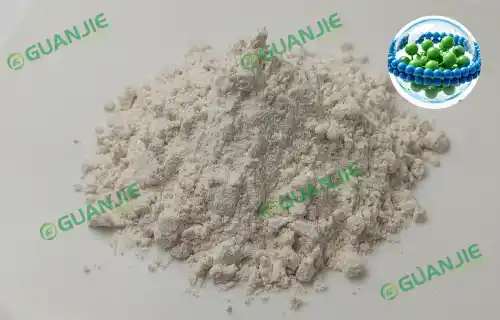
Liposomal Vitamin C encapsulation utilizes a phospholipid bilayer to protect active ascorbic acid from environmental degradation, significantly extending product shelf life to 18–24 months. Industrial-grade formulations rely on strict quality metrics-such as an encapsulation efficiency ≥ 85%, particle sizes of 100–200 nm, and zeta potentials ≥30 mV-to prevent oxidation and particle aggregation. Unlike conventional vitamin C, liposomal delivery operates effectively in a broader, near-neutral pH range (4.5 to 7.0) while maximizing systemic bioavailability and transdermal absorption. Manufacturers can leverage these technical parameters and custom OEM/ODM solutions to successfully develop stable dietary supplements, functional beverages, and topical cosmetics.
Why Does Liposomal Vitamin C Enhance Vitamin C Stability?
The core logic behind liposomes' ability to enhance vitamin C stability lies in constructing a physical barrier and controlling the microenvironment:
1. Liposome Membrane Material Selection
In B2B Liposomal Vitamin C development, phospholipid selection directly affects membrane fluidity, phase-transition temperature, and encapsulation stability. Unsaturated phospholipids such as soybean lecithin provide high membrane fluidity but may be more susceptible to oxidation and leakage. Hydrogenated phospholipids, including HSPC, combined with suitable cholesterol levels, can increase membrane density and improve stability. For Liposomal Vitamin C Powder manufacturers, selecting appropriate membrane materials is essential for controlling vitamin C leakage and maintaining formulation performance during processing and storage.
Aqueous Phase Environment Control
The aqueous phase is critical to the stability of Vitamin C Liposomes. Chelating agents such as disodium EDTA or phytic acid may help control trace metal ions introduced through water or processing equipment, while polyols such as glycerol, propylene glycol, or butylene glycol can modify water activity and improve dispersion. For Liposomal Ascorbic Acid formulations, controlling pH, ionic strength, water activity, and excipient concentration helps reduce particle aggregation, sedimentation, and structural instability during manufacturing and storage.
Avoid Components That Disrupt Liposome Structure
When developing a Liposomal Vitamin C Supplement, formulation engineers should carefully evaluate excipients that may disrupt phospholipid bilayers. Strong surfactants can destabilize membranes, while high concentrations of short-chain alcohols may increase membrane permeability and promote vitamin C leakage. Excessive inorganic salts can also alter surface charge and encourage particle aggregation. Therefore, manufacturers developing Bulk Liposomal Vitamin C should evaluate surfactant concentration, alcohol content, electrolyte levels, and excipient compatibility to maintain liposome integrity and consistent product quality.
Industrial Production Process and Quality Control Indicators
When introducing liposomal vitamin C into large-scale production lines, standardization of process operations and quality control standards is crucial to ensuring batch-to-batch stability of the final product.
Process Control Points in Industrial Production
• Shear Force Control:
Liposomal Vitamin C consists of self-assembled phospholipid structures. Excessive or prolonged shear during homogenization or stirring may disrupt liposome integrity. When adding liposomes during the final formulation stage, medium-to-low-speed stirring is recommended for uniform dispersion.
• Temperature Control:
Maintain the feeding temperature below the formulation's phase-transition range. As a general processing guideline, addition below 40°C helps protect membrane integrity and reduces heat-related structural damage.
• Oxygen Control:
During filling and storage, nitrogen flushing of the package headspace can reduce oxygen exposure and provide additional protection for long-term liposomal vitamin C stability.
2. QC Metrics
When procuring and evaluating liposomal vitamin C raw materials, companies should focus on monitoring the following three key physical indicators.
|
Monitoring Indicators |
Standard Range / Target Value |
Impact on Formulation Stability |
|
Encapsulation Efficiency, EE |
≥85% |
Higher encapsulation efficiency results in less free vitamin C in the aqueous phase, leading to a lower risk of discoloration and oxidation rate in the formulation. |
|
Average Particle Size & Polydispersity Index (PDI) |
Particle size: 100–200 nm PDI: < 0.2 |
Uniform particle size distribution (low PDI) effectively prevents particle size from increasing during Ostwald ripening, which could lead to sedimentation. |
|
Zeta Potential) |
≤-30mV or ≥+30 mV |
A high absolute zeta potential provides sufficient electrostatic repulsion, preventing liposome particles from fusing and agglomerating. |
Liposome Vitamin C with Traditional Vitamin C and its Derivatives
To visually demonstrate the comprehensive advantages of liposome technology in industrial applications, the following comparison is made in terms of stability, bioavailability, and formulation suitability:
|
Evaluation Dimensions |
Ascorbic Acid |
AA2G / SAP |
Liposomal Vitamin C |
|
Light/Heat/Oxygen Stability |
Extremely low (easily oxidizes, turns yellow, and becomes ineffective) |
Medium to high (relatively stable) |
High (physical barrier of double membrane) |
|
Bioavailability/Absorption Rate |
Low (easily degrades, limited absorption through the intestines/skin) |
Low to medium |
Extremely high (membrane fusion mechanism promotes transdermal/intestinal absorption) |
|
Formulation Irritation |
High (requires low pH 3.0-3.5 for stability) |
Low |
Extremely low (encapsulation reduces direct irritation to mucous membranes/skin) |
|
System pH Range |
Narrow (only for pH < 3.5) |
Wide pH range (6.0–7.5) |
Wide pH range (stable between pH 4.5 and 7.0) |
|
Risk of Discoloration |
Extremely high (requires large amounts of antioxidants) |
Low |
Extremely low (degradation products are encapsulated within the microparticles) |
|
Formulation Process Requirements |
Requires strict protection from light, nitrogen purging, and low temperature. |
Normal process |
Avoids high shear and high heat (>60°C) |
How Can Companies Develop Application Solutions for Liposomal Vitamin C?
For food, beverage, and dietary supplement manufacturers developing liposomal vitamin C products, a systematic formulation and validation process is essential. The typical workflow includes product positioning, vitamin C dosage determination, selection of appropriate liposomal vitamin C ingredients, formulation compatibility testing, pH optimization, process validation, packaging evaluation, accelerated stability testing, long-term stability testing, pilot production, and final scale-up to mass production. This approach helps manufacturers establish a reproducible liposomal vitamin C formulation suitable for commercial applications.

Formulation compatibility testing is particularly important. For mineral-containing nutritional beverages, manufacturers should evaluate how minerals affect liposome particle size and encapsulation efficiency. For formulations containing plant extracts, testing should assess potential effects on color, oxidative stability, and liposome structure. Only after stable performance is confirmed in the finished product should manufacturers finalize the formulation and production parameters for commercial-scale vitamin C encapsulation and liposome-based product manufacturing.
Application Scenarios & Formulation Solution Guides
Translating liposomal technology into commercially viable end-products requires category-specific processing protocols. Below are practical formulation guides to overcome common manufacturing challenges across three core application sectors.
Dietary Supplements: Hard Capsules, Tablets, & Powder Stick Packs
Primary Challenge:
High hygroscopicity of raw phospholipid powders causing caking, poor flowability, or shell degradation in capsules.
Formulation & Process Solutions:
Excipient Matrix:
Blend with low-hygroscopic glidants and carriers such as silicon dioxide (0.5–1.0%) or microcrystalline cellulose (MCC). Avoid polyols like sorbitol that accelerate moisture absorption.
Environmental Control:
Maintain direct processing and packaging environments at relative humidity (RH) <40%and temperatures below 25℃.
Dosage Form Strategy:
Use HPMC (hypromellose) or delayed-release capsules rather than traditional gelatin, which is sensitive to moisture migration. For stick packs, utilize high-barrier aluminum foil packaging with nitrogen flushing to maintain powder free-flowability throughout its shelf life.
Functional Beverages & Liquid Supplements
Primary Challenge:
Phospholipid off-flavors (soapy/grassy notes) and maintaining suspension stability without high turbidity.
Formulation & Process Solutions:
• Flavor Masking:
Combine high-purity, low-odor sunflower lecithin with natural masking agents. Utilize high-intensity natural sweeteners (e.g., Reb M Stevia or Monk Fruit extract) combined with organic acids (such as citric or malic acid) to neutralize lingering lipid notes and provide a clean flavor profile.
• Clarity & Physical Stability:
For clear-to-translucent drinks, utilize sub-150 nm small unilamellar vesicles (SUVs). To prevent phase separation or sedimentation, add low-shear natural hydrocolloids like gum arabic or high-acyl gellan gum to create a yield-stress network.
• Process Timing:
Introduce the pre-dispersed liposomal liquid during final mixing under low-shear agitation <1000 rpm at temperatures below 40℃ to preserve vesicle integrity.
Cosmetics & Topical Skincare (Serums & Emulsions)
Primary Challenge:
Vesicle rupture caused by synthetic emulsifiers, ionic thickeners, or high-shear processing.
Formulation & Process Solutions:
• Addition Phase:
Add liposomal Vitamin C during the cool-down phase (below 35℃) after the main emulsion is fully formed and primary homogenization is complete.
• Thickener Compatibility:
Avoid highly charged anionic polymers (e.g., traditional Carbomers) that can collapse the Zeta potential and cause aggregation. Instead, opt for non-ionic or electrolyte-tolerant rheology modifiers such as Xanthan Gum, Sclerotium Gum, or Ammonium Acryloyldimethyltaurate/VP Copolymer.
• pH Optimization:
Maintain the finished product matrix at pH 5.5–6.5. This range optimizes skin barrier compatibility while preserving the structural integrity of the lipid bilayer.
How To Choose Liposomal Vitamin C?
To support formulation selection and supply chain integration, the following table summarizes the standard industrial specifications for bulk Liposomal Vitamin C raw materials.
|
Specification Parameter |
Liposomal VC Liquid Slurry |
Spray-Dried Liposomal VC Powder |
Freeze-Dried Liposomal VC Powder |
|
Physical Appearance |
Viscous milky liquid/slurry |
Fine off-white to pale yellow powder |
Fine light-yellow porous powder |
|
Active VC Content |
10% – 20% |
20% – 30% |
50% – 70% |
|
Phospholipid Carrier Type |
Non-GMO Sunflower / Soy Lecithin |
Non-GMO Sunflower Lecithin (Allergen-free) |
Non-GMO Sunflower Lecithin (Allergen-free) |
|
Encapsulation Efficiency (EE) |
≥85\%$ |
≥ 85\% |
≥90% |
|
Mean Particle Size |
100 – 180 nm |
120 – 200 nm (upon reconstitution) |
100 – 160 nm (upon reconstitution) |
|
Polydispersity Index (PDI) |
< 0.20 |
< 0.22 |
< 0.18 |
|
Solubility / Dispersibility |
Water-miscible |
Cold water-dispersible |
Instant water-soluble |
|
Recommended Applications |
Functional beverages, syrups, drops, topical serums |
Hard capsules, tablets, stick packs, dry mixes |
Premium supplements, sterile cosmetics, liposomal injectables |
FAQs:
1. What is the standard shelf life of Liposomal Vitamin C compared to pure L-Ascorbic Acid in formulations?
Standard L-Ascorbic Acid in aqueous solutions typically begins degrading and discoloring within weeks. High-quality Liposomal Vitamin C powder insulates the active molecule inside a phospholipid bilayer, significantly slowing down oxidation. In finished topical or liquid dietary formulations, it can extend the active shelf life to 18–24 months under proper storage conditions without significant loss of potency or severe browning. At 40°C/75% RH for 3 months, Liposomal VC retained >92% potency vs. Free L-Ascorbic Acid <40%.
2. How does Liposomal Vitamin C prevent color changes (browning) in liquid and cosmetic products?
Browning occurs when L-Ascorbic Acid oxidizes into dehydroascorbic acid (DHA) and further breaks down into diketogulonic acid and furfural compounds. Liposomes form a physical hydrophobic barrier that prevents dissolved oxygen, free radicals, and trace heavy metals in the water phase from contacting the encapsulated Vitamin C, thereby stopping the oxidative cascade that causes formula discoloration.
3. What is the optimal pH range for formulating with Liposomal Vitamin C?
While unencapsulated Vitamin C requires a very low pH (below 3.5) to remain relatively stable, natural Liposomal Vitamin C remains stable in a broader, near-neutral pH range (4.5 to 7.0). The lipid bilayer maintains the ideal acidic micro-environment inside the core while allowing the surrounding product matrix to be formulated at a milder, less irritating pH level.
4. What processing conditions (temperature, shear, pH) should be avoided when adding Liposomal Vitamin C?
To preserve the structural integrity of the lipid membrane:
• Temperature:
Add Liposomal Vitamin C during the cool-down phase, ideally below 40°C (104°F).
• Shear Force:
Avoid ultra-high-pressure homogenization or high-shear mixing after adding the liposomal raw material; use gentle to moderate stirring.
• Incompatible Ingredients:
Limit high concentrations of short-chain alcohols (e.g., ethanol >10\%) and strong, high-HLB synthetic surfactants that can disrupt the phospholipid bilayer.
5. What are the key quality specifications (QC metrics) to evaluate when sourcing Liposomal Vitamin C raw materials?
When reviewing a Certificate of Analysis (CoA) or testing raw material samples, B2B buyers should focus on three critical parameters:
• Encapsulation Efficiency (EE):
Should ideally be $\ge 85\%$ to ensure minimal unencapsulated (free) Vitamin C in the water phase.
• Particle Size & PDI:
Mean particle size should range between 100–200 nm with a PolyDispersity Index (PDI) below 0.2 for optimal physical stability.
• Zeta Potential:
Absolute value should ideally exceed 30 to ensure adequate electrostatic repulsion against particle aggregation.
6. How does Liposomal Vitamin C compare to Vitamin C derivatives (like AA2G or SAP) in terms of efficacy and stability?
Vitamin C derivatives offer good oxidative stability, but they suffer from lower bioavailability because the body or skin must enzymatically convert them back into pure L-Ascorbic Acid. Liposomal Vitamin C powder offers the best of both worlds: it delivers high stability via physical encapsulation while retaining the maximum bioavailability of pure L-Ascorbic Acid due to liposomal membrane-fusion mechanisms.
7. What custom manufacturing options (OEM/ODM) are typically available for Liposomal Vitamin C finished products?
Suppliers usually offer flexible OEM/ODM options tailored to your brand's positioning, including:
• Custom concentration levels (e.g., 1000 mg per serving for liquids or 5%–15% active for serums).
• Liquid Vitamin C suspensions, softgels, liposomal powders (for capsules or stick packs), and topical emulsions.
• Tailored flavor profiles, natural preservative systems, and custom packaging solutions (e.g., airless pumps or single-serve sachets).
Conclusion
Liposomal vitamin C helps overcome oxidation, discoloration, irritation, and formulation pH limitations associated with conventional vitamin C. High-quality liposomal vitamin C raw materials can improve active-ingredient stability and support product upgrades. Buyers should evaluate encapsulation efficiency, particle-size control, and batch consistency when selecting a liposomal vitamin C supplier. Guanjie Biotech supplies liposomal vitamin C and provides OEM and ODM services, with product recommendations based on your formulation and product positioning. Welcome to enquire with us at info@gybiotech.com.
References:
[1] Purpura, M., Jäger, R., Godavarthi, A., Bhaskarachar, D., & Tinsley, G. M. (2024). Liposomal delivery enhances absorption of vitamin C into plasma and leukocytes: a double-blind, placebo-controlled, randomized trial. European Journal of Nutrition, *63*(8), 3037-3046.
[2]Enhancing vitamin C stability through liposomal encapsulation with optimised pressure and cycle conditions. (2025). Directory of Open Access Journals.
[3]Jacob, J., Sharma, V. M., Valsaraj, T. V., Sudeep, H. V., Thomas, J., & Kodimule, S. (2024). Development, structural characterization, in vitro release and oral bioavailability studies of novel surface-modified natural Fiber Interlaced Liposomal Vitamin C. New Journal of Chemistry, *48*, 18957-18966. Royal Society of Chemistry.
[4]Tailored saturated phosphatidylcholine liposomes enhance the physicochemical stability and intestinal bioavailability of ascorbic acid and calcium ascorbate. (2026). Food Chemistry. ScienceDirect.
[5]Development of Highly Stable Vitamin C Gummies Using Innovative In Situ Soft Sphere Integrated (ISSI) Liposomal Technology: Characterization and In Vitro Release Studies. (2026). Europe PMC.
[6]New formulation of vitamin C encapsulation by nanoliposomes: production and evaluation of particle size, stability and controlled release. Korean Citation Index (KCI).