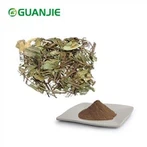
Phosphatidylcholine soy lecithin and phosphatidylcholine egg yolk lecithin are the main sources of phospholipids we consume. In addition to this, lecithin is found in milk, animal brains, bone marrow, hearts, lungs, livers, kidneys, as well as soybeans and yeast. It is also found in fish heads, sesame seeds, mushrooms, yams, black fungus, cereals, eel, red-bellied snakes, cobras, safflower seed oil, corn oil, sunflowers and other foods. But the nutrition and content of the more complete or soybean and egg yolk. Guanjie's phospholipids from soybeans, egg yolks and sunflower.
And we often consume soybeans in our daily life. The practice is also varied, steamed, boiled, stewed, stewed, or beat soybean milk, make soybean milk. Why is soybean favored by people? The reason is that it is rich in soy lecithin. So, what is soy lecithin? What are its effects and functions? Today Xiaorui will take you to understand soy lecithin.

Phospholipids are found in a variety of oilseeds in nature, but not in the same amounts. Among several common oil seeds, soybean and cottonseed are the most abundant, followed by rapeseed. It can form industrialized production is dominated by soybean. Soy lecithin is a by-product of the process of refining soybean oil. Currently on the market common granular soy lecithin. Phosphatidylcholine soy lecithin is the phospholipid precipitated from soybean oil in the degumming process, and then processed and dried after the product. Pure soy lecithin is brown-yellow waxy solid. It is easy to absorb water and turn into brownish-black colloid. It is easy to be oxidized in the air, and its color changes from brownish yellow to brownish black gradually. It is not resistant to high temperature, above 80℃, it will gradually oxidize and decompose.
Soy lecithin is a kind of fat contained in soybeans. It is a kind of phosphorus fat and one of the lipids needed by the human body. Greek for the meaning of egg yolk, also known as "natural brain gold" lecithin is the basic component of human cells. It plays a decisive role in the normal metabolism and life process of cells.
What Are Phosphatidylcholine Soy Lecithin Efficacy And Function?
Soy lecithin is rich in nutrition. It is mainly because it contains lecithin, ceruloplasmin, cardiolipin, phosphatidic acid (PA), phosphatidylglycerol (PG), acetylated phospholipids, lysophospholipids and so on. Its effects and functions are mainly reflected in the following aspects:
• Delay aging
Soy lecithin can repair damaged cell membranes and increase the unsaturation of fatty acids in cell membranes. It can soften and rejuvenate the cell membranes, improve the metabolic ability, self-healing ability and regeneration ability of the body tissues, thus delaying the aging of the human body.
•Regulate blood lipids and lower cholesterol
The emulsification of soy lecithin affects the transportation and deposition of cholesterol and fat, and removes excess triglycerides. Therefore, soy lecithin can effectively reduce high blood fat and cholesterol, thus preventing and controlling cardiovascular and cerebrovascular diseases caused by it.
•Strengthen brain function
Adequate supply of soy lecithin can ensure that there is enough choline to synthesize with acetylcholine in the human body. Thus, it can provide sufficient information transmitting substances for the human brain, which can improve the activation level of brain cells and enhance memory and intelligence.

What Are Phosphatidylcholine Soy Lecithin side effects?
Now more and more people choose soy lecithin, so is there any side effect of soy lecithin? Everything has two sides and soy lecithin is no exception. Its side effects are mainly caused by over-consumption of lecithin, and people with weak immune systems are more likely to be affected.
Excessive consumption of soy lecithin can cause side effects such as nausea, abdominal pain, diarrhea, headaches, difficulty breathing, shortness of breath, vomiting and dizziness. It can also cause mild indigestion and loose stools, or cause significant weight gain. In addition, side effects after overconsumption include loss of appetite, lowered blood pressure, bad breath, coughing, sneezing, runny nose, swollen throat, excessive sweating, anaphylactic shock, and more.
Therefore, when consuming soy lecithin, do not overdo it, or else it will cause side effects that will not be worth it.
How To Eat Phosphatidylcholine Soy Lecithin?
Soy lecithin is good, but if you don't pay attention to the way you eat it, it will be difficult to play its role and function, and will cause waste. How to eat soy lecithin?
Generally speaking, it is better to take soy lecithin in the morning and evening before meals.
• Young people can take it for brain health;
•Middle-aged and elderly people can take it to relieve and regulate blood pressure and blood fat, and play the role of cleaning blood vessels.
•If it is as a prevention, you can take a fish oil before breakfast and a lecithin before dinner.
•If there is a slight high blood pressure and high blood fat symptoms, are in the critical state, then. You can take one capsule of fish oil and lecithin before breakfast and one capsule of lecithin at dinner.
•Cardiovascular and cerebrovascular disease is more serious it is recommended that the morning and evening before meals fish oil and lecithin each one.
•Soy lecithin supplements can enhance the body's immunity. When consuming natural soy lecithin supplements, it is most important to pay attention to the way of eating and to develop healthy, nutritious and safe eating habits.
How to buy Phosphatidylcholine Soy Lecithin?
There is a lot of soy lecithin on the market today. Most people don't know what kind is good and how to buy it. When you are shopping for soy lecithin products, you may want to refer to the following three criteria:
1. Choose lecithin with high concentration:
Soy lecithin products on the market are mainly capsules and granules, with capsules being the mainstay. The concentration of capsules is low, and the lecithin content is about 60%. The active ingredient phosphatidylcholine (PC) content is around 15.7%. Granules are more concentrated, with a lecithin content of about 97%. The active ingredient phosphatidylcholine (PC) content is around 24%. The concentration of soy lecithin granules is 1.617 times that of softgel capsules.
2. Selection of lecithin granules or lecithin powder:
Phosphatidylcholine Soy Lecithin softgels contain 25-35% soybean oil. Meanwhile, gelatin, glycerin and other food additives are added to make the shape of the capsule and maintain the fluidity. The granules contain less than 3% soybean oil. The intake of soybean oil and glycerol may increase the fat load on the bodies of people with high blood cholesterol. Therefore, granules are generally better than softgels in terms of safety.

Guanjie focuses on soy lecithin bulk for many years. We have our own production lines and the quality can be controlled from source to package. If you are interested in our information, welcome to enquiry us: info@gybiotech.com.