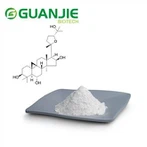
Horse chestnut seed extract is a good treatment for varicose veins, hemorrhoids, phlebitis (inflammation of the veins), diarrhea, fever, enlarged prostate, rheumatism, neuralgia and rectal diseases. This treatment is usually taken orally, at a dose of 0.5-1.2 ml of liquid seed extract per day.
And what are the chemical composition of horse chestnut seeds?
● Saponins
The total saponin content of the seeds, often expressed as "escin" (Figure 1), is actually composed of α-escin and β-escin, while β-escin in turn consists of more than 30 derivatives of triterpenoids, protoescin, and lauryl C. These compounds are mainly found in the cotyledons of seeds (they can make up 28% of the weight of dry seeds), but are also detected in seed beads, bark, buds, horse chestnut leaves, and immature peels.

Figure 1 Selected components of the saponin mixture "espatitin"
● Flavonoids
Many flavonoids (mainly glycoside derivatives of quercetin and kaempferol) were detected in the European horse chestnut tree (Figure 2), including astragalus (kaempferol 3-o-glucoside), isoquercetin (quercetin-3-glucoside), cyanylene (3,3',4,4',5,7 hexahydroxy-flavonoids), and rutin (quercetin 3-rutin). These compounds are mostly found in seeds (excluding seed coats), but also in peels, bark, leaves, and buds. The results of the study on quercetin are contradictory, with different authors reporting that the compound is present either in leaves or in the seeds of horse chestnut.

Figure 2 Some flavonoids found in horse chestnut
In addition to these flavonoids, epicatechins and their dimer proanthocyanidin A2 (Figure 3) have also been reported in horse chestnut. These compounds are mainly found in tree bark, leaf buds, and peels, but are also found in seed bead cover. Previously, this tissue has been removed fromHorse chestnut seed extract for the preparation of drugs, however, if included, it will provide an additional source of valuable bioactive compounds.
● Other ingredients

Figure 3 Structure of proanthocyanidin A2
The seeds of horse chestnut also contain starch (40-50% by weight), sugars, proteins (especially globulins, hippocampomethrine, containing L-lysine and L-tryptophan), fatty oils (containing oleic acid, linoleic acid, linolenic acid, stearic acid, and palmitic acid), and purines (adenosine, adenine, and guanine).
Guan jie has raw material synthesis workshop and adheres strict Horse chestnut seed extract quality standard. The appearance of this product is brown fine powder. If you need our products, please contact us:e-mail at info@gybiotech.com or call at +862988253271