


Polydeoxyribonucleotide (PDRN) is a class of linear DNA derivatives composed of deoxyribonucleotide monomers linked by phosphodiester bonds, typically with a molecular weight of less than 1500 kDa. In recent years, it has been widely used in skincare products. How does PDRN work on the skin?
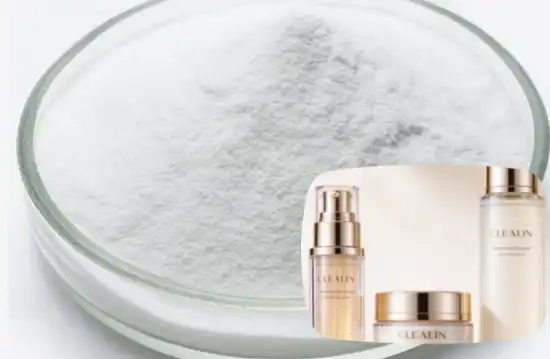
What Are the Characteristics of PDRN Powder?
Definition and Origin of PDRN
PDRN (polydeoxyribonucleotide) is a mixture of DNA fragments composed of deoxyribonucleotides connected by 3′–5′ phosphodiester bonds. PDRN powder is commonly derived from salmonid fish DNA, including salmon and rainbow trout, through controlled enzymatic hydrolysis, purification, and refining processes. Unlike intact genomic DNA, PDRN consists of shorter DNA fragments. Depending on the manufacturing process, its fragment sizes are commonly reported within a range of approximately 50–500 base pairs (bp).
Molecular Characteristics of PDRN
As a nucleic acid-based raw material, PDRN ingredients are characterized by their fragment length distribution, nucleotide composition, and single- or double-stranded structure. These properties influence the characteristics and performance of the final formulation. PDRN degradation products, including nucleotides and nucleosides, may participate in cellular metabolic and signaling pathways. Adenosine-related signaling is also discussed in scientific research on PDRN.
For manufacturers and formulators, important quality considerations include PDRN purity, molecular characteristics, residual protein levels, microbiological quality, and batch-to-batch consistency. Therefore, evaluating bulk PDRN powder requires more than checking a single assay percentage.
Differences Between PDRN, PN, and Other Nucleic Acids
PDRN should not be considered interchangeable with PN (polynucleotide). PDRN generally contains shorter DNA fragments, while PN typically contains longer nucleotide chains and has different physical characteristics. Single nucleotides and nucleosides are also different from PDRN because they are individual building blocks rather than fragmented DNA chains.
Yeast-derived RNA ingredients differ further because RNA contains ribose rather than deoxyribose and has a different molecular structure.
How Does PDRN Work On Skin?
Polydeoxyribonucleotide (PDRN) is a DNA-derived ingredient studied for its potential role in skin repair, tissue regeneration, and inflammatory regulation. PDRN powder is increasingly discussed in cosmetic ingredient development because of its reported effects on fibroblasts, keratinocytes, and vascular endothelial cells. Its biological activities are mainly associated with nucleotide salvage pathways and adenosine A2A receptor signaling. The following mechanisms explain how PDRN may contribute to skin regeneration.
Salvage Pathway: Supporting DNA Synthesis and Cell Proliferation
One important mechanism of PDRN is its involvement in the nucleotide salvage pathway. After PDRN enters the extracellular environment, enzymes such as deoxyribonucleases gradually break it down into smaller DNA fragments, oligonucleotides, and nucleosides.
These degradation products can enter cells and participate in nucleotide recycling. Through enzymatic reactions, including phosphorylation and nucleotide salvage processes, they contribute to the nucleotide pool required for DNA synthesis.
Compared with de novo nucleotide synthesis, the salvage pathway generally requires less energy. This process may support the metabolic needs of actively proliferating cells, including fibroblasts, keratinocytes, and endothelial cells.
This mechanism helps explain why PDRN for skin repair has attracted research interest in wound healing and tissue regeneration. However, its effects depend on cellular activity and the surrounding tissue environment.
Adenosine A2A Receptor: Anti-Inflammatory and Angiogenic Effects
Another important mechanism of PDRN involves the adenosine A2A receptor (A2AR). PDRN degradation can increase the availability of adenosine-related signaling molecules, which may activate A2A receptors on cell membranes.
A2AR activation stimulates the cAMP/PKA signaling pathway. This process can regulate inflammatory responses by reducing NF-κB activity and influencing the production of inflammatory mediators, including TNF-α, IL-1β, and IL-6.
PDRN-related A2A receptor signaling has also been associated with increased VEGF expression and angiogenesis. VEGF supports endothelial cell migration and proliferation, helping form new blood vessels.
These processes may contribute to improved tissue repair and microcirculation. Therefore, PDRN skin regeneration research frequently focuses on its potential applications in wound healing and post-procedure recovery.
Fibroblast Activity and Collagen Production
Fibroblasts are essential cells responsible for producing and maintaining the skin's extracellular matrix (ECM). Research suggests that PDRN may promote fibroblast proliferation and migration under certain experimental conditions.
It has also been investigated for its potential influence on collagen synthesis, particularly type I and type III collagen. These proteins provide structural support to the dermis.
Changes in collagen production and matrix remodeling may help improve skin structure and elasticity. This is one reason why PDRN cosmetic ingredients are studied for applications in skin conditioning and rejuvenation formulations.
However, the magnitude of these effects in topical cosmetic products requires further clinical evaluation.
Epidermal Regeneration and Skin Barrier Support
PDRN has been investigated for its effects on keratinocyte proliferation and migration. These cells form the epidermis and play an important role in maintaining the skin barrier.
Experimental research also examines its potential influence on proteins associated with epidermal differentiation, including filaggrin, loricrin, and involucrin.
Healthy epidermal structure helps maintain skin hydration and reduce water loss. Consequently, PDRN is being explored as an ingredient in skincare products designed for skin conditioning and post-procedure care.
Antioxidant and Cytoprotective Activity
Some experimental studies suggest that PDRN may influence oxidative stress responses by affecting reactive oxygen species (ROS), antioxidant enzymes, and cellular survival pathways.
These findings indicate potential cytoprotective activity. However, the antioxidant effects of PDRN are not equivalent to those of established antioxidant ingredients. It should not automatically be positioned as a primary antioxidant in cosmetic formulations.
Pigmentation and Hair Follicle Research
Preclinical research has explored possible relationships between PDRN and melanin-related signaling pathways, including MITF and tyrosinase. However, human evidence supporting direct skin-brightening effects remains limited.
PDRN has also been studied for its potential effects on dermal papilla cells, VEGF signaling, and hair follicle activity. These findings provide research directions for hair and scalp formulations, but stronger clinical evidence is needed.
Overall, PDRN powder is a DNA-derived ingredient with several potential biological applications. Its main research areas include skin repair, fibroblast activity, inflammatory regulation, and tissue regeneration. For cosmetic manufacturers, understanding its mechanisms and evidence limitations is important when selecting PDRN raw materials and developing scientifically supported skincare formulations.
PDRN Powder Formulation and Manufacturing Process
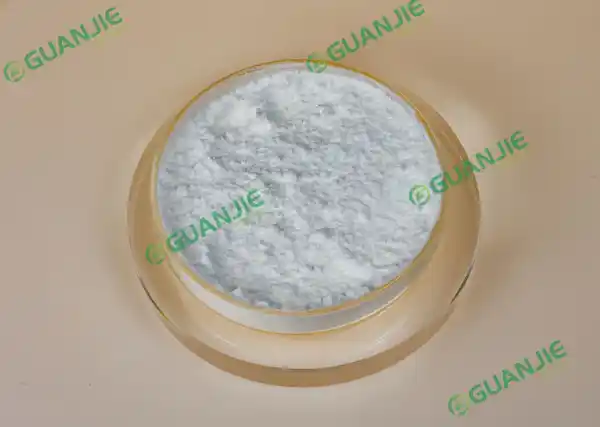
The quality of PDRN powder (Polydeoxyribonucleotide) depends on several important factors, including fragment length distribution, purity, delivery methods, compatibility, and stability. These parameters influence its performance as a raw material in cosmetic and medical aesthetic formulations. Manufacturers should evaluate each factor to ensure consistent product quality and suitable formulation characteristics.
PDRN Fragment Length Distribution
Fragment length is an important parameter in PDRN raw material quality control. If DNA fragments are too short (below 50 bp), their potential value as substrates for nucleotide salvage pathways may decrease. Conversely, excessively long fragments may present challenges for formulation, including reduced penetration and increased solution viscosity. A main fragment distribution peak within 100–300 bp can be considered a practical formulation target, depending on the intended application. Manufacturers should use appropriate analytical methods to monitor the PDRN molecular weight and fragment length distribution between batches.
PDRN Purity and Impurity Profile
PDRN powder purity is another important consideration. Key impurities include residual proteins, RNA, host-cell DNA, and endotoxins. Residual proteins may affect product safety and consistency, while residual RNA and other nucleic acid impurities can influence the overall quality of the finished material. Endotoxin levels are particularly important when evaluating PDRN for medical applications. Reliable PDRN quality control should include validated testing methods, defined specifications, and batch-to-batch impurity monitoring.
PDRN Delivery Methods
PDRN is a water-soluble, negatively charged macromolecular material. Its penetration through intact skin is limited by the stratum corneum. Therefore, PDRN delivery systems are important considerations in cosmetic and medical aesthetic formulations. Topical products may use liposomes, hydrogels, or other carrier systems to support ingredient delivery. Microneedling and electroporation are additional technologies used in certain professional settings. Intradermal injection and mesotherapy are medical procedures that require appropriate regulatory authorization and professional administration.
PDRN Compatibility and Stability
PDRN formulation stability depends on pH, temperature, processing conditions, and exposure to degrading enzymes. A pH range of 5.0–7.5 may be used as an initial evaluation range, but actual stability should be confirmed through formulation testing. PDRN can be evaluated alongside ingredients such as hyaluronic acid, panthenol, niacinamide, peptides, and glycerin. Formulations containing high concentrations of vitamin C, AHAs, or salicylic acid require additional compatibility studies. Temperature control, sterilization conditions, and packaging also influence product stability. Lyophilized PDRN powder generally offers advantages for moisture control and storage when properly packaged.
Recommendations for Dosage Forms and Formulations
Formulation recommendations (reference values) for primary application scenarios
|
Application Scenarios |
Recommended Dosage Forms |
Recommended PDRN inclusion levels |
Key Processing and Formulation Considerations |
|
Post-operative and damaged skin repair |
Aqueous solutions, gels, sprays |
0.1%–1.0% |
Avoid low-pH (acidic) substances; perform 0.22 μm sterile filtration prior to filling; combine with hyaluronic acid and panthenol. |
|
Lyophilized powder (reconstitutable) |
Lyophilized powder for injection (or lyophilized powder plus solvent) |
0.5%–2.0% |
Use lyophilization protectants (e.g., mannitol, trehalose); after reconstitution, store at 2–8 °C and use within 24 hours. |
|
Microneedling and mesotherapy (hydration/rejuvenation treatments) |
Sterile liquids or lyophilized powders |
0.5–2 mg/mL |
Must meet injection-grade standards: low endotoxin, pyrogen-free, and sterile; preservatives are prohibited. |
|
Anti-aging creams and serums |
Creams, lotions |
0.1%–0.5% |
Add during the cooling phase (≤40 °C); avoid high-shear homogenization; combine with peptides and niacinamide. |
|
Scalp care |
Serums, ampoules |
0.5%–2.0% |
Combine with caffeine, peptides, and panthenol; avoid high concentrations of ethanol. |
|
Patches and facial masks |
Hydrogels, non-woven fabric (sheet masks/pads) saturated with liquid |
0.1%–0.5% |
Maintain the solution pH between 6.0 and 7.0; avoid prolonged high-temperature sterilization. |
Quality and Specifications: A Verifiable Indicator System
Key Quality Control Indicators for PDRN Raw Materials (Reference)
|
Parameter |
Typical Control Range |
Test Method or Description |
|
Appearance |
White to off-white powder |
Visual inspection |
|
Assay (dry basis) |
≥ 95% |
UV spectrophotometry (260 nm) or HPLC |
|
Fragment length distribution |
50–500 bp, with a main peak at 100–300 bp |
Agarose gel electrophoresis or capillary electrophoresis |
|
A260/A280 |
1.8–2.0 |
UV absorbance ratio (indicative of residual protein levels) |
|
Residual protein |
≤ 0.5% (cosmetic grade) / lower (injection grade) |
BCA assay or Lowry assay |
|
Residual RNA |
≤ 1.0% |
UV detection or specific enzymatic digestion assay |
|
Endotoxin |
≤ 10 EU/mg (cosmetic grade) / ≤ 0.5 EU/mg (injection grade) |
Gel-clot method or kinetic chromogenic method |
|
Moisture content |
≤ 5.0% |
Karl Fischer titration |
|
pH (1% aqueous solution) |
6.0–7.5 |
Potentiometric method |
|
Microbial limits / Sterility |
Complies with the requirements for the respective grade |
Pharmacopeial method |
|
Heavy metals |
≤ 10 ppm |
ICP-MS or colorimetric method |
The significance of the aforementioned indicators lies in the fact that a simple purity ≥95% is insufficient to define the usability of a raw material. Instead, the fragment distribution, residual protein content, and endotoxin levels are the critical determinants for whether a material is suitable for specific applications. When evaluating PDRN raw materials, procurement teams should request batch-specific fragment distribution profiles and endotoxin test reports, rather than relying solely on purity data.
What Is PDRN Used For In Current Research?
Current research on PDRN (polydeoxyribonucleotide) includes substantial in vitro cell studies and animal-model research. These studies mainly investigate four potential activities: cell proliferation, inflammatory response regulation, angiogenesis, and extracellular matrix synthesis. Human clinical evidence is more limited and comes largely from small studies examining wound healing, recovery after laser procedures, adjunctive rosacea care, and androgenetic alopecia. Many studies have small participant groups and short follow-up periods. Evidence for topical PDRN in cosmetic formulations is particularly limited and may vary with the formulation and delivery system.
For product development, PDRN powder should be positioned according to available evidence. Wound healing and post-procedure recovery are the most established research areas, while daily anti-aging and skin barrier products may use PDRN as a supporting active alongside other ingredients. Claims involving pigmentation control or hair growth should be considered exploratory until stronger human evidence is available. Manufacturers and brands should ensure that marketing claims do not exceed the evidence.
Is PDRN Safe?
PDRN raw material quality is important to product safety. Potential concerns include endotoxins, residual proteins, and other process-related impurities, particularly for products intended for damaged skin or injectable applications. Because individual responses may vary, topical formulations should undergo appropriate irritation, sensitization, and human safety assessments. Patch testing may be included in product development where appropriate.
Regulatory requirements depend on intended use and destination market. PDRN used in cosmetics must meet applicable ingredient, product safety, and labeling requirements. PDRN intended for injectable medical devices or pharmaceuticals may be subject to stricter requirements for identity, purity, endotoxin limits, sterility, and manufacturing controls. A cosmetic-grade PDRN specification should not automatically be treated as suitable for medical or injectable use.
FAQs:
Q1: Does PDRN stimulate collagen production and improve skin elasticity?
PDRN has been investigated for its potential to influence fibroblast activity and collagen synthesis, particularly type I and type III collagen. Fibroblasts are responsible for producing important extracellular matrix components that maintain dermal structure.
By influencing fibroblast proliferation and tissue remodeling under certain experimental conditions, PDRN may contribute to skin repair and structural recovery. This makes it an ingredient of interest for anti-aging serums, firming creams, and skin-conditioning products.
However, the extent to which topical PDRN improves collagen production and visible skin elasticity in humans requires further clinical evidence.
Q2: Can PDRN help repair the skin barrier?
PDRN is being studied for its potential role in epidermal regeneration and skin repair. Research has examined its effects on keratinocyte proliferation, migration, and proteins associated with epidermal differentiation, including filaggrin, loricrin, and involucrin.
These processes are relevant to maintaining normal epidermal structure and skin barrier function.
For cosmetic manufacturers, PDRN can be considered for moisturizing serums, repair-focused creams, and facial masks. It can also be formulated with hyaluronic acid, glycerin, and panthenol to support hydration and skin conditioning.
Q3: Can PDRN reduce skin inflammation and redness?
PDRN has demonstrated potential anti-inflammatory activity in experimental research. One proposed mechanism involves adenosine A2A receptor activation, which can stimulate the cAMP/PKA signaling pathway and regulate inflammatory mediators such as TNF-α, IL-1β, and IL-6.
This mechanism has attracted research interest in wound recovery, inflammatory skin conditions, and post-procedure skincare.
However, the effectiveness of topical PDRN for reducing redness depends on the finished formulation, concentration, and delivery system. Cosmetic manufacturers should avoid making medical treatment claims without appropriate clinical evidence and regulatory authorization.
Q4: Which ingredients can be combined with PDRN in cosmetic formulations?
PDRN can be evaluated alongside several commonly used cosmetic ingredients to develop multifunctional skincare products.
Examples include:
● Hyaluronic acid: Used for hydration and moisture retention.
● Panthenol: Supports skin conditioning and moisturizing.
● Niacinamide: Used in formulations targeting skin tone and barrier care.
● Peptides: Commonly incorporated into firming and anti-aging products.
● Glycerin: A humectant that helps maintain skin hydration.
● Antioxidant ingredients: Used in formulations targeting environmental stress.
Formulators should evaluate pH, temperature, ionic strength, and ingredient compatibility. Strongly acidic systems and high-temperature processing require particular attention. Compatibility should be confirmed through accelerated and long-term stability studies.
Conclusion
The effects of PDRN on the skin are not the result of a single pathway, but rather the cumulative outcome of a four-layered mechanism: the supply of nucleotide building blocks, adenosine receptor signaling, the remodeling of blood vessels and the extracellular matrix, and the differentiation and repair of the epidermis. The actual efficacy of PDRN is determined by four key engineering variables-fragment length distribution, impurity profile, delivery method, and stability within a formulation-rather than merely the percentage concentration stated for the raw material. For formulators, the critical path to translating PDRN's theoretical mechanisms into tangible, effective results lies in clearly defining the intended application, selecting the appropriate grade of raw material, and designing validation protocols that focus on delivery and stability.
Guanjie Biotech is a PDRN powder supplier, offering large-scale raw material supply as well as OEM and ODM services-ranging from the customization of raw material specifications and dosage form development to the contract manufacturing of finished products. Should you have requirements for PDRN raw material procurement or product development, please contact us to obtain batch-specific test data and technical specifications. Welcome to enquire with us at info@gybiotech.com.
References:
[1] Marques, C., et al. (2025). From polydeoxyribonucleotides (PDRNs) to polynucleotides (PNs): Bridging the gap between scientific definitions, molecular insights, and clinical applications of multifunctional biomolecules. Biomolecules, *15*(1), 148.
[2] Park, K. Y., & Jang, B. C. (2025). Polydeoxyribonucleotide as a regenerative agent in dermatology and wound healing: Mechanisms, clinical applications, and safety. Keimyung Medical Journal, *44*(1), 9-18.
[3] Zhao, Y., et al. (2025). A multicomponent salmon PDRN/sodium alginate/gelatin hydrogel promotes infected wound repair in rat. ACS Applied Bio Materials, *8*(12), 10742-10757.
[4] Havas, F., et al. (2026). Hyaluronic acid-like skin plumping and radiance benefits of a Porphyridium sulfated exopolysaccharide- and natural PDRN-rich extract. Marine Drugs, *24*(3), 99.
[5] Sun, Y., et al. (2023). A chitosan derivative-crosslinked hydrogel with controllable release of polydeoxyribonucleotides for wound treatment. Carbohydrate Polymers, *300*, 120298.


