


Pure Inulin powder is a widely used soluble dietary fiber and is recognized as a prebiotic by the International Scientific Association for Probiotics and Prebiotics (ISAPP) along with oligogalactose and oligofructose. Inulin as a soluble dietary fiber has the function of promoting the growth of bifidobacteria and improving the digestive tract. Thanks to inulin's ability to improve food texture and rheological properties, inulin-based prebiotics are widely used in baked goods, snacks, dairy products, health food and baby food.

According to the statistics until February 2021, there are more than 350 clinical trial studies conducted on inulin, including trials on special populations such as infants and pregnant women. Therefore, inulin has been recognized as a universal and safe food. However, in November 2022 Nature published an article on the inulin-induced type 2 inflammatory response mediated by intestinal flora at high doses, bringing the debate on the safety and efficacy of inulin into the limelight. This article reviews the health benefits of inulin and also discusses how it can be used in a rational and safe manner.
● Health benefits of inulin
Prebiotics are food components that are not generally digested and absorbed by the human body but can be selectively used by human microorganisms to effectively improve the composition and/or activity of intestinal microorganisms, thereby benefiting human health. Following the ISAPP definition of prebiotics, Hughes et al. conducted a meta-analysis of clinical trials of inulin in adult populations and published the results in Advances in Nutrition, 2022.
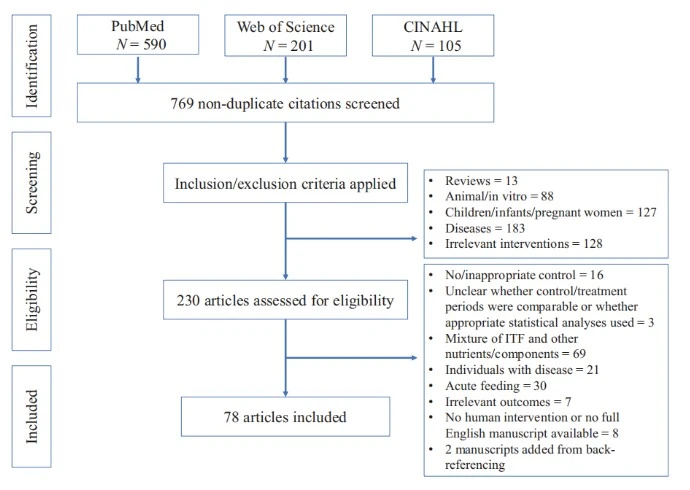
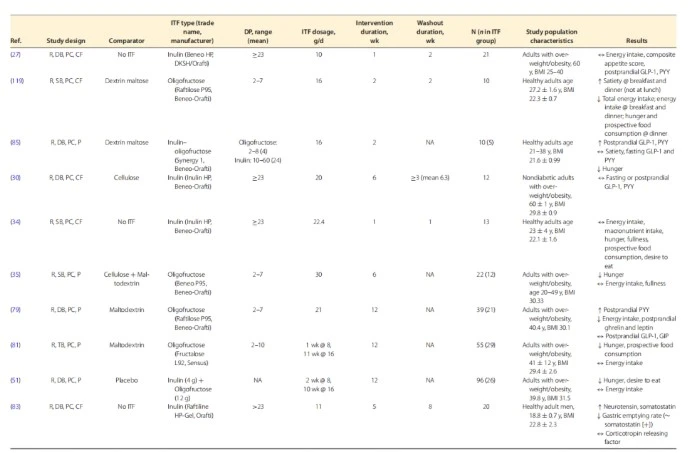
Across all 78 clinical trials, the minimum pure Inulin powder intake was 2.5 g per day and the maximum was 30 g per day, with the vast majority (65) of studies having inulin intakes of less than 15 g per day. The results of the meta-analysis showed that oral intake of inulin-based prebiotics can effectively stimulate the growth of beneficial flora such as Bifidobacterium, Lactobacillus and Clostridium flexneri in the human intestine, increase satiety, reduce intestinal mucosal permeability and relieve constipation (Figure 2). At the same time, inulin intake also enhances host insulin sensitivity, reduces blood triglyceride levels, and increases the absorption rate of calcium and magnesium ions. In particular, it should be noted that in all 78 clinical trials, the main clinical side effect of oral inulin intake was abdominal flatulence, and no other negative health effects were observed. Moreover, the molecular chain length of inulin affects the effectiveness of its use. A mixture of long and short chains showed the best health effects, and large amounts of oral inulin (oligofructose) were more likely to cause flatulence.
Inulin-based fructan prebiotics have been heavily used in infant formulas for the past three decades while being promoted to adults. Several clinical randomized double-blind trials (RCTs) have shown that the addition of 4-8 g/L of inulin and/or oligofructose to infant formula up to one year of age is effective in increasing bifidobacteria and lactobacilli in the infant's intestine, lowering stool pH, softening stool, and reducing crying time. To date, more than 130 clinical studies have been published on the use of inulin as a prebiotic to condition infants, children and pregnant women, confirming the safety and efficacy of inulin-based prebiotics for use in special populations such as infants.
● Potential negative health effects of high doses of pure Inulin powder
Three research articles published in 2018 and 2022 by scientists from different US research institutions in Cell, Nature, Cell Host & Microbes, respectively, demonstrated the relationship between inulin intake and type 2 inflammatory response as well as liver carcinogenesis. It was found that the intake of high doses of inulin-based soluble dietary fiber in mice caused changes in intestinal flora and increased the bile salt hydrolase (BSH) activity of Bacteroides ovatus, which in turn affected the bile acid metabolism of the host, producing excessive bile acid (Cholic acid, AC), which in turn caused an increase in eosinophils through the regulation of FXR receptors and ultimately caused a type 2 inflammatory response. causing a type 2 inflammatory response.
However, in the 2018 Cell and 2022 Nature articles, both using mouse models as study subjects, the intake of inulin reached 7.5% and 26% of the diet, respectively, suggesting that a severe excess of dietary prebiotic fractions could also selectively affect the composition of gut microbes, leading to altered metabolite levels and further affecting host physiological and immunomodulatory functions. The publication of the Cell and Nature articles has raised a great deal of concern and controversy about the safe use of inulin at home and abroad. Although the bile acids (CA) selected in this study are also an important component of human bile acids, the bile acid composition and metabolism in mice are relatively different from those in humans, and the results of mouse studies cannot be equated with human studies.

What really attracted a lot of attention was the human clinical trial published in Cell Host & Microbes by Lancaster et al. In this study, 18 subjects were given three doses of inulin or soluble arabinoxylan in a crossover model, low (10g), medium (20g) and high (30g) doses for three weeks. However, the plasma levels of metabolites were not affected in the low and medium dose groups (Figure 3), suggesting that high dose of inulin intake caused a significant inflammatory response in humans. Therefore, compared with the positive findings of hundreds of clinical studies on inulin, although there is only one human trial and two mouse studies, the possible risks associated with excessive intake of inulin are indeed a wake-up call.
The intake of pure inulin powder should not be too much, and needs to be increased slowly. It is recommended not to eat too much at first, less than 10g a day, and some suggest less than 5g a day for the first one or two weeks. If you need inulin,please contact us:info@gybiotech.com


