Vitamin C (ascorbic acid) is an essential micronutrient that supports normal physiological functions. However, conventional Vitamin C powder bulk supplements, including ascorbic acid and ascorbate, may have limited absorption at higher doses and can cause gastrointestinal discomfort in some individuals. Liposomal Vitamin C uses a phospholipid-based delivery system designed to improve Vitamin C delivery and potentially enhance bioavailability. This article compares liposomal Vitamin C with traditional Vitamin C powder from the perspectives of composition, absorption, pharmacokinetics, gastrointestinal tolerance, stability, and manufacturing processes, providing practical guidance for Vitamin C formulation and supplement development.

Differences in Structural Composition and Physicochemical Properties:
Traditional Vitamin C and liposomal Vitamin C differ in structural composition and physicochemical properties. Traditional Vitamin C is present as free ascorbic acid, whereas liposomal Vitamin C encapsulates Vitamin C within phospholipid-based liposomes, creating a distinct delivery system.
|
Physical and Chemical Properties |
Traditional Vitamin C (Ascorbic Acid / Sodium Ascorbate) |
Liposome Vitamin C |
|
Forms |
Crystallic powder, aqueous solution |
Microvesicles encapsulated in a phospholipid bilayer |
|
Solubility Properties |
Water-soluble |
Amphiphilic (outer hydrophilic layer, inner aqueous phase encapsulating a water-soluble core) |
|
Main Components |
Pure ascorbic acid molecules or their mineral salts |
Ascorbic acid + phospholipids (usually phosphatidylcholine, PC) |
|
Microscopic Particle Size Range |
Molecular level (<1 nm) |
Nanometer to micrometer scale (typically 50–300 nm) |
|
Protective Barriers |
Unprotected, directly exposed to the environment |
Phospholipid bilayer barrier, isolating from gastric acid and enzymatic breakdown. |
• Traditional Vitamin C:
Traditional vitamin C exists as free ascorbic acid molecules and is highly water-soluble. Its enediol structure provides strong reducing activity but also makes it susceptible to oxidation.
• Liposome Vitamin C:
Liposomal vitamin C encapsulates ascorbic acid within a phospholipid bilayer formed by soybean or sunflower phospholipids in an aqueous environment. This phospholipid-encapsulated vitamin C structure resembles biological cell membranes and is designed to improve formulation stability and support efficient vitamin C delivery.
Comparison of Intestinal Absorption and Transport Mechanisms
The absorption mechanism is an important factor influencing the bioavailability of Vitamin C. Conventional Vitamin C and liposomal Vitamin C differ in how ascorbic acid is transported and absorbed in the intestine.
Traditional Vitamin C Absorption Mechanism
Traditional Vitamin C, primarily in the form of ascorbic acid, is absorbed in the small intestine mainly through the sodium-dependent Vitamin C transporter 1 (SVCT1). This transporter is responsible for active intestinal uptake but has a limited capacity.
* Carrier Saturation Effect:
When the oral dose is relatively low, Vitamin C can be efficiently absorbed. As the dose increases, however, SVCT1-mediated transport may approach saturation, reducing the proportion of the dose absorbed. The excess Vitamin C that is not absorbed may remain in the intestinal tract and subsequently be eliminated.
* Restricted Passive Diffusion:
Because ascorbic acid is water-soluble and highly polar, its ability to pass directly through the lipid bilayer of intestinal epithelial cell membranes is also limited. These characteristics are important considerations when developing Vitamin C supplements and high-dose formulations.
Absorption Mechanism of Liposome Vitamin C
Liposomal Vitamin C uses phospholipid-based delivery structures to encapsulate Vitamin C. This formulation is designed to provide additional pathways for intestinal uptake and potentially improve Vitamin C bioavailability.

* Membrane Fusion and Endocytosis:
The phospholipid bilayer structure of the outer layer of the liposome is extremely similar to that of the small intestinal epithelial cell membrane, allowing direct absorption by intestinal cells via membrane fusion or endocytosis.
* Lymphatic Transport:
Some liposome particles can be absorbed through the intestinal chylomicron pathway and enter the lymphatic system, bypassing the first-pass metabolism in the liver and directly entering the bloodstream.
* Carrier-Independent:
Due to its non-reliance on the SVCT1 transporter, its absorption rate and total amount remain high even at high doses.
Plasma Concentration and Bioavailability
Clinical pharmacokinetic studies indicate that liposomal vitamin C and conventional vitamin C may differ in bioavailability, absorption, and plasma concentration at comparable administered doses. Key pharmacokinetic parameters, including maximum plasma concentration (Cmax), area under the curve (AUC), and elimination half-life (t1/2), can provide valuable insights into Vitamin C delivery and absorption. These parameters are important when evaluating liposomal vitamin C as an advanced Vitamin C delivery system for nutraceutical formulations.
|
Pharmacokinetic parameters |
Traditional Vitamin C (oral dose 1000 mg–4000 mg) |
Liposome Vitamin C (oral equivalent dose): |
|
Peak plasma concentration (Cmax) |
Limited by a threshold (typically in the 120–200 umol/L range) |
Significantly increased (up to 1.5–3 times that of conventional forms) |
|
Area under the curve (AUC) |
Lower (the increase decreases with increasing dose) |
Significantly increased (total bioavailability improved) |
|
Time to peak concentration (Tmax) |
Faster (approximately 2–3 hours) |
Slightly slower or stable (depending on liposome structure and emptying rate) |
|
Elimination half-life (t1/2). |
Shorter, excess components are rapidly excreted through the kidneys. |
Longer retention time in blood and tissues |
Due to intestinal absorption saturation and renal clearance, conventional oral vitamin C supplementation has limitations in achieving high plasma vitamin C concentrations. Liposomal vitamin C uses lipid encapsulation technology to improve vitamin C delivery and bioavailability, potentially increasing plasma exposure and prolonging circulation time. This enhanced vitamin C absorption may support more efficient tissue delivery and utilization compared with conventional vitamin C formulations.
Gastrointestinal Tolerance and Side Effects
Gastrointestinal tolerance is an important consideration when using high-dose Vitamin C supplements.
The limitations of high-dose traditional vitamin C:
When large amounts of conventional ascorbic acid are consumed, the small intestine may not absorb all the Vitamin C. The remaining solute can increase intestinal osmotic pressure, potentially causing diarrhea, stomach discomfort, nausea, or intestinal spasms. The acidic nature of ascorbic acid may also contribute to gastric irritation in sensitive individuals.
The protective effect of liposome encapsulation:
Liposomal Vitamin C is designed to improve Vitamin C delivery by encapsulating ascorbic acid within a phospholipid bilayer. This structure may reduce direct exposure of acidic Vitamin C to the gastrointestinal tract and support more efficient absorption. As a result, liposomal Vitamin C powder may offer improved gastrointestinal tolerance compared with conventional Vitamin C powder for some users. However, individual responses vary, and tolerance depends on dosage, formulation, and overall digestive sensitivity. For manufacturers developing Vitamin C supplements, formulation design, dosage, and ingredient quality should be carefully evaluated.
Stability and Physicochemical Degradation Control
Ascorbic acid is highly sensitive to environmental conditions and can undergo oxidation and degradation, forming dehydroascorbic acid and further degradation products. Key factors affecting Vitamin C stability include light, temperature, oxygen, moisture, pH, and trace metal ions.
Free-state Vitamin C powder
Free-state Vitamin C powder is relatively stable under acidic conditions but can degrade rapidly in aqueous formulations when exposed to oxygen or metal ions such as Fe³⁺ and Cu²⁺. This presents important challenges for Vitamin C formulation and long-term product stability.
Liposomal Vitamin C
Liposomal Vitamin C uses a phospholipid bilayer as a physical barrier around ascorbic acid, helping reduce direct exposure to oxygen and other external factors and potentially slowing Vitamin C oxidation. However, liposomal systems require strict control of moisture, temperature, oxygen exposure, and phospholipid oxidation. Antioxidants and appropriate packaging may further support stability. Therefore, manufacturers developing encapsulated Vitamin C should carefully evaluate processing, storage, and packaging conditions to maintain product quality and performance.
Production Process and Cost Considerations
The two Traditional Vitamin C and liposomal Vitamin C- differ by orders of magnitude in raw material preparation, production control, and economic costs.
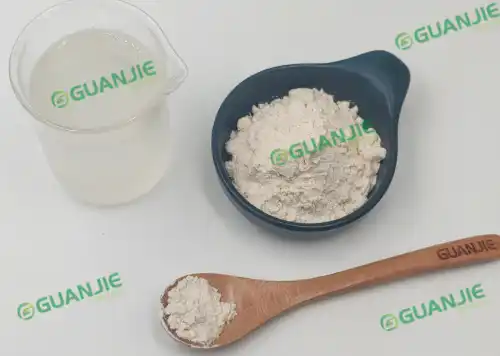
Traditional Vitamin C (ascorbic acid)
Traditional Vitamin C (ascorbic acid) is primarily produced from glucose through a mature fermentation-based manufacturing process. Its established technology, large-scale production capacity, standardized specifications, and efficient processing contribute to relatively low costs, making it widely available as a bulk Vitamin C ingredient.
Liposomal Vitamin C
By comparison, liposomal Vitamin C requires a more complex formulation process. Purified phospholipids and ascorbic acid are processed using techniques such as high-pressure homogenization, ultrasonic dispersion, thin-film hydration, or spray drying to form stable lipid vesicles. This additional processing increases production costs and requires strict control of particle characteristics, stability, and encapsulation efficiency. Therefore, natural
liposomal Vitamin C generally has a higher manufacturing cost than conventional Vitamin C powder and requires more specialized quality control.
FAQs:
Q1: How does the structural composition of liposomal Vitamin C differ from traditional Vitamin C?
Traditional Vitamin C exists as unprotected, free ascorbic acid molecules or mineral salts. In contrast, liposomal Vitamin C encapsulates ascorbic acid within microscopic, nanometer-scale phospholipid bilayers. This amphiphilic spherical vesicle structure isolates the nutrient from gastric acid and mimics natural biological cell membranes.
Q2: Why is traditional Vitamin C absorption limited at higher oral doses?
Traditional Vitamin C relies primarily on the sodium-dependent Vitamin C transporter 1 (SVCT1) in the small intestine. Because SVCT1 transporters have a limited capacity, they quickly reach saturation at higher doses, causing the body to eliminate the unabsorbed excess rather than utilize it efficiently.
Q 3: Through what unique mechanisms is liposomal Vitamin C absorbed in the intestine?
Liposomal Vitamin C bypasses carrier saturation by utilizing cell membrane fusion and endocytosis for direct intestinal uptake. Additionally, some liposomal particles enter the lymphatic system via the intestinal chylomicron pathway, allowing the nutrient to bypass first-pass liver metabolism and enter bloodstream directly.
Q4: How do the plasma concentration and bioavailability of liposomal Vitamin C compare to traditional forms?
Liposomal Vitamin C achieves up to 1.5 to 3 times higher peak plasma concentrations (Cmax) and significantly greater total bioavailability (AUC) than traditional Vitamin C. It also demonstrates a longer elimination half-life (t1/2), providing extended circulation time and enhanced tissue delivery.
Q 5: Why is liposomal Vitamin C more expensive to manufacture than conventional Vitamin C?
Conventional Vitamin C is produced through mature, large-scale fermentation of glucose, making it highly cost-effective. Conversely, liposomal Vitamin C requires specialized processing techniques-such as high-pressure homogenization or spray drying-and strict quality controls to achieve uniform particle size and high encapsulation efficiency.
Q6: Which Vitamin C option is best suited for high-potency nutraceutical formulations?
Liposomal Vitamin C is ideal for high-potency products because it overcomes transport saturation, enhances cellular delivery, extends circulation times, and minimizes digestive side effects. Although traditional Vitamin C remains a cost-effective basic ingredient, liposomal technology provides superior physiological performance for premium formulations.
Conclusion:
Liposomal Vitamin C outperforms traditional Vitamin C by encapsulating ascorbic acid within a phospholipid bilayer. This unique structure bypasses carrier-saturation limits, enabling absorption via cell membrane fusion and lymphatic pathways while reducing gastrointestinal discomfort. Consequently, liposomal formulations deliver higher peak plasma concentrations, superior bioavailability, and prolonged circulation time. Although traditional Vitamin C remains cost-effective due to mature fermentation processes, liposomal technology offers enhanced stability and targeted tissue delivery, making it an advanced option for high-potency nutraceutical products.
Guanjie Biotech is a professional Vitamin C supplier offering regular Vitamin C powder and liposomal Vitamin C powder for nutraceutical, food, and health product applications. We can recommend suitable Vitamin C supplement ingredients based on your formulation and product requirements. We also provide flexible OEM and ODM services, supporting customized solutions for global customers seeking reliable bulk Vitamin C powder. Welcome to enquire with us at info@gybiotech.com.
References:
[1] Do Liposomal Vitamin C Formulations Have Improved Bioavailability? A Scoping Review Identifying Future Research Directions. (2025). Basic & Clinical Pharmacology & Toxicology. Wiley Online Library.
[2] Liposomal delivery enhances absorption of vitamin C into plasma and leukocytes: a double-blind, placebo-controlled, randomized trial. (2024). European Journal of Nutrition. Springer.
[3] Enhanced Bioavailability and Immune Benefits of Liposome-Encapsulated Vitamin C: A Combination of the Effects of Ascorbic Acid and Phospholipid Membranes. (2024). Nutraceuticals, *4*(4). MDPI.
[4] Liposomal-encapsulated Ascorbic Acid: Influence on Vitamin C Bioavailability and Capacity to Protect Against Ischemia–Reperfusion Injury. (2016). Nutrition and Metabolic Insights. NIH/PMC.
[5] Bioavailability of Liposomal Vitamin C in Powder Form: A Randomized, Double-Blind, Cross-Over Trial. (2024). Applied Sciences, *14*(17). MDPI.
[6] LiposoMax™ Liposomal PureWay-C®: A Liposomal-Vitamin C with Enhanced Biological Activity and Absorption. (2025). IntechOpen.