


Liposomal vitamin C explicitly contains ascorbic acid or its derivative salts. Liposome technology is essentially a delivery system that encapsulates active ingredients in phospholipid bilayer microcapsules. The active ingredient loaded into its aqueous core is a highly water-soluble vitamin C derivative, such as ascorbic acid or sodium ascorbate.
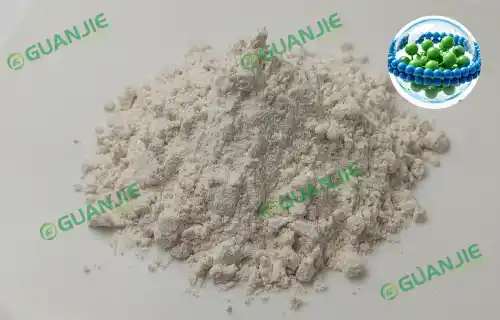
Ascorbic Acid Content in Liposomal Vitamin C
What is the active ingredient in liposomal vitamin C?
Ascorbic acid (L-ascorbic acid) is the primary active ingredient in liposomal vitamin C preparations. Liposomal vitamin C relies on advanced ascorbic acid encapsulation, trapping the active nutrient inside microscopic vesicles formed by a phospholipid bilayer. This specialized carrier system enhances nutrient delivery and protects the compound.
Manufacturers may use pure L-ascorbic acid or sodium ascorbate as raw starting materials. Sodium ascorbate offers better water solubility during processing, but the resulting active molecule delivered to the body remains L-ascorbic acid.
Where is ascorbic acid located in the liposome structure?
Because L-ascorbic acid is a water-soluble molecule, it resides directly in the hydrophilic core of the phospholipid bilayer of liposomes. This internal spatial positioning shields ascorbic acid from gastrointestinal degradation, preserving its structural integrity and maximizing overall nutrient absorption.
Typical composition and function of each component of liposomal vitamin C
|
Components: |
Functional Classification |
Localization within liposomes |
Technical Requirements: |
|
Ascorbic acid/Sodium ascorbate |
Active Ingredients |
Aqueous core within liposomes |
Purity ≥ 99%, conforming to relevant pharmacopoeia standards |
|
Phospholipids (soybean/sunflower source) |
Wall Materials |
Constitutes bilayer vesicles |
Phosphatidylcholine content ≥ 70%, food grade or pharmaceutical grade |
|
Glycerin/Other stabilizers |
Excipients |
Aqueous phase or bilayer |
Regulate osmotic pressure and maintain vesicle stability |
Comparative Analysis Of Traditional Ascorbic Acid And Liposomal Ascorbic Acid
To provide technical support for product development and raw material selection, the following is a comparison of the key performance characteristics of traditional ascorbic acid and liposome-based ascorbic acid.
|
Assessment Dimensions: |
Traditional ascorbic acid (Unencapsulated L-Ascorbic Acid) |
Liposomal Ascorbic Acid |
|
Chemical Form |
Free water-soluble monomer molecule |
An aqueous core encapsulated within a phospholipid bilayer |
|
Water Solubility and Stability |
Extremely soluble in water; extremely sensitive to light, heat, and oxygen, easily oxidized and degraded |
The phospholipid shell shields the body from oxygen and light, significantly enhancing chemical stability |
|
Gastrointestinal Tolerance |
High doses (>1000mg) can easily cause gastrointestinal irritation, acid reflux, and osmotic diarrhea |
The phospholipid membrane prevents acidic molecules from directly contacting the gastric mucosa, significantly improving intestinal tolerance |
|
Absorption Mechanism |
Dependent on active transport carriers (SVCT1/SVCT2), subject to receptor saturation limitations |
By utilizing lymphatic absorption and cell membrane fusion/endocytosis, it bypasses the SVCT1 saturation mechanism |
|
Bioavailability (AUC) |
Baseline bioavailability decreases non-linearly with increasing dose |
Peak plasma concentration (Cmax) and area under the curve (AUC) are significantly higher than in the conventional form. |
Technical Specifications and Key Parameters of Liposomal Vitamin C
Liposomal Vitamin C uses advanced phospholipid technology to overcome the traditional absorption barrier of L-ascorbic acid. Evaluating raw material quality, efficacy, and shelf life relies on three core parameters: particle size distribution, encapsulation efficiency, and release kinetics.
Particle Size and Encapsulation Efficiency
Particle size distribution and liposome encapsulation efficiency directly determine cellular uptake and oral bioavailability.
• Particle Size:
High-quality liposomal vitamin C operates within a 70–220 nm range. Processing methods like microfluidization technology and high-pressure homogenization yield uniform monolayer liposomes averaging ~100 nm. These smaller nanometer-scale vesicles expand the total surface area, optimizing penetration through the gastrointestinal mucosa into the bloodstream.
• Encapsulation Efficiency:
This metric indicates the percentage of total ascorbic acid successfully locked within the protective phospholipid bilayer. Standard manufacturing yields range from 26% to 64%, dictated by lipid concentration and cycle count. However, optimized high-pressure homogenization processes achieve high-absorption vitamin C formulations with encapsulation efficiencies exceeding 80%.
Release Kinetics & Bioavailability
Encapsulating ascorbic acid fundamentally changes its pharmacokinetics in human digestive systems:
|
Formulation Type |
12-Hour Cumulative Release Rate |
Kinetic Profile |
|
Free Ascorbic Acid |
99.8% |
Instantaneous burst release |
|
Standard Liposomal Vitamin C |
55.02% |
Controlled sustained-release |
|
Medium-Chain Complex Liposomes |
31.72% |
Extended-release profile |
This controlled release curve shows how lipid encapsulation prevents rapid degradation in gastric acid, extending the residence time of active nutrients in systemic circulation for maximum absorption.
Storage Stability and Degradation Factors
Liposomal Vitamin C L-ascorbic acid degrades rapidly when exposed to heat, light, and oxygen. The lipid membrane acts as a protective barrier against oxidative factors, yet storage conditions remain crucial:
Refrigerated Storage (4°C, pH 7): Preserves approximately 67% of active ascorbic acid retention after 7 weeks.
• Ambient Storage (25°C):
Retention drops to 30% over the same timeframe due to accelerated lipid degradation.
• Stabilization Methods:
Formulations utilizing sugar-based lyoprotectants (like sucrose) combined with freeze-drying show higher resistance to chemical degradation.
Physical Form and Dosage Form Selection
• Liposomal Vitamin C Liquid:
Provides fast absorption and high cellular compatibility. Ideal for oral Liposomal Vitamin C liquids, drops, and functional beverages. Requires strict microbial testing and cold chain storage to prevent oxidation.
• Liposomal Vitamin C Powder:
Liposomal Vitamin C Powder is produced via spray drying or freeze-drying. Best suited for hard capsules, dietary supplement tablets, and solid drink mixes due to its superior shelf-life stability and simplified distribution logistics.
Functional Advantages of Liposomal Vitamin C Technology
Standard ascorbic acid faces absorption limits in the small intestine due to transport protein saturation, which often causes osmotic diarrhea when taking higher doses. Liposomal vitamin C bioavailability solves this issue through advanced microencapsulation, offering superior cellular delivery and comfort.

By encapsulating ascorbic acid within a protective phospholipid bilayer delivery system, liposomes pass through the intestinal epithelial barrier as intact vesicles. This mechanism bypasses transport bottlenecks to drastically improve total liposomal ascorbic acid absorption. Animal studies demonstrate that the area under the plasma concentration-time curve (AUC) for liposomes reaches 388% of conventional supplements, while peak concentration (Cmax) hits 441%.
This specialized structure also provides high-dose vitamin C sustained-release benefits. In vitro testing shows that encapsulated ascorbic acid releases far more slowly than free ascorbic acid solutions. By preventing rapid spikes and swift excretion, this continuous release maintains stable plasma concentrations over extended periods, maximizing metabolic utilization while reducing required daily dosing frequencies.
Application Areas and Product Development Directions
Liposomal ascorbic acid (liposomal vitamin C) leverages advanced phospholipid encapsulation to provide exceptional stability and high bioavailability, unlocking high-value-added potential across several growth sectors:
Dietary Supplements:
Standard high-dose ascorbic acid supplements often trigger digestive discomfort. Liposomal vitamin C bypasses the standard intestinal absorption upper limit, making daily 1000 mg to 2000 mg capsules or liquid supplements easier to tolerate. Complex functional formulations combine liposomal ascorbic acid with synergistic antioxidants like glutathione or fat-soluble vitamins (D3, K2), utilizing phospholipid emulsification to maximize systemic absorption efficiency.
Cosmeceuticals:
Unencapsulated vitamin C rapidly oxidizes and discolors in aqueous formulas. Transdermal liposomal vitamin C skincare protects the active nutrient from light and air, extending shelf life while enhancing stratum corneum penetration for superior localized delivery.
Special Medical Purpose Foods (FSMP):
Formulated for targeted clinical nutrition, liposomal ascorbic acid offers superior absorption vs ordinary ascorbic acid. This efficiently addresses urgent high-concentration requirements while reducing dosing frequency for improved patient compliance.
How To Choose Liposomal Vitamin C?
When sourcing a liposomal vitamin C supplier for commercial manufacturing, rigorous evaluation of raw materials and production processes is essential to ensure superior bioavailability and product performance.
Key Sourcing & Quality Parameters:
• Ascorbic Acid Specifications:
Require suppliers to provide HPLC testing reports verifying actual liposomal ascorbic acid content rather than raw input estimates. Confirm whether free acid or sodium ascorbate is used, as this dictates formulation stability.
• Batch Consistency:
Evaluate multi-batch data for liposome encapsulation efficiency and particle size distribution. Stable parameters directly dictate bioavailability and shelf-life.
• Storage Stability:
Request real-time retention data under specific temperature and humidity parameters to support shelf-life claims.
• Industrial Scale-up Capability:
Prioritize manufacturers utilizing scalable processes like high-pressure microfluidics to ensure small-batch performance translates to commercial runs.
• Phospholipid Compatibility:
Verify whether soybean, sunflower, or milk-derived phospholipids best suit your target application (oral liquids vs. solid dosages).
References:
Q1:Does liposomal vitamin C contain pure ascorbic acid?
Yes. Liposomal vitamin C contains pure L-ascorbic acid or sodium ascorbate encapsulated within a phospholipid bilayer, preserving its chemical structure while enhancing delivery.
Q2. What is the encapsulation efficiency of liposomal vitamin C?
High-quality commercial liposomal vitamin C typically achieves an encapsulation efficiency of 80% to 95%, ensuring minimal unencapsulated ascorbic acid in the final product.
Q3. How does liposomal vitamin C differ from regular ascorbic acid?
Liposomal forms wrap ascorbic acid in phospholipids, preventing degradation from light and oxygen, reducing gastrointestinal discomfort, and providing higher cellular absorption.
Q4. What dosage forms are available for OEM/ODM products?
Common finished formats include liquid drops, oral suspensions, hard capsules, and freeze-dried powders suitable for sachets, tablets, or complex functional beverage formulations.
Q5. Why is liposomal vitamin C better for high-dosage supplements?
It circumvents the capacity limit of standard intestinal SVCT1 transporters, reducing acid reflux and diarrhea risks while allowing higher plasma concentration levels.
Q6. What is the average particle size of liposomal vitamin C?
Industry-standard liposome particles generally range between 50 nm and 300 nm, with a Polydispersity Index (PDI) below 0.2 to ensure uniform physical stability.
Q7. How should raw liposomal vitamin C material be stored?
Powder forms require cool, dry, and airtight storage. Liquid liposomes generally require temperature-controlled environments to maintain vesicle integrity and prevent lipid degradation.
Q8. Can liposomal vitamin C be combined with other active ingredients?
Yes. Liposomes easily blend with synergistic actives like glutathione, zinc, vitamin D3, or vitamin E to build stable, high-potency antioxidant and immune formulas.
Conclusion:
Liposomal vitamin C contains ascorbic acid as its core active pharmaceutical ingredient, encapsulated within a phospholipid bilayer. This delivery system significantly enhances bioavailability, with AUC reaching 388% of conventional forms, and provides controlled release kinetics. For B2B procurement, critical quality parameters include particle size (70-220 nm), encapsulation efficiency (>80% achievable), and storage stability data. These specifications directly impact product performance and shelf-life, making rigorous supplier evaluation essential for commercial success.
Partnering with an experienced vendor streamlines this technical evaluation. Guanjie Biotech is a trusted global supplier of bulk liposomal vitamin C, offering full-service OEM and ODM services tailored to your formulation requirements. Contact our technical team today to request analytical reports, custom samples, and bulk pricing. Welcome to enquire with us at info@gybiotech.com.
References:
[1] Purpura, M., Jäger, R., Godavarthi, A., Bhaskarachar, D., & Tinsley, G. M. (2024). Liposomal delivery enhances absorption of vitamin C into plasma and leukocytes: a double-blind, placebo-controlled, randomized trial. European Journal of Nutrition, *63*(8), 3037-3046. https://doi.org/10.1007/s00394-024-03487-8
[2] Zmuda, J., et al. (2025). Do Liposomal Vitamin C Formulations Have Improved Bioavailability? A Scoping Review Identifying Future Research Directions. Basic & Clinical Pharmacology & Toxicology. https://doi.org/10.1111/bcpt.70067
[3] Enhancing vitamin C stability through liposomal encapsulation with optimised pressure and cycle conditions. (2025). Directory of Open Access Journals (DOAJ).
[4] Chang, H. J., & Lee, J. H. (2026). Tailored saturated phosphatidylcholine liposomes enhance the physicochemical stability and intestinal bioavailability of ascorbic acid and calcium ascorbate. Food Chemistry. https://doi.org/10.1016/j.foodchem.2026.019850
[5] Enhanced Vitamin C Delivery: A Systematic Literature Review Assessing the Efficacy and Safety of Alternative Supplement Forms in Healthy Adults. (2025). Nutrients.
[6] Ho, M. J., Park, D. W., & Kang, M. J. (2023). Design of Novel Tricaprylin-Incorporated Multi-Layered Liposomal System for Skin Delivery of Ascorbic Acid with Improved Chemical Stability. Pharmaceuticals, *16*(1), 121. https://doi.org/10.3390/ph16010121
[7] Vitamin C delivery system and liposomal composition thereof. (2016). US Patent US20160367480A1. Google Patents.
[8] Preparation and stability study of oral vitamin C liposomes. (2020). Journal of Nantong University (Medical Edition), *40*(6), 515-518.


