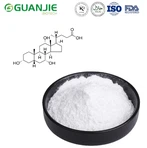
Pure L-glutathione is a critical tripeptide molecule composed of three amino acids: glutamine, glycine, and cysteine. It is found in every cell of the human body and is fundamental to life itself. Its primary roles include neutralizing free radicals, supporting immune function, detoxifying harmful substances, recycling other antioxidants like vitamins C and E, and facilitating DNA synthesis and repair. Given its immense importance, a common question arises: Which foods have glutathione?

What Is Glutathione?
Before listing specific foods, it's crucial to understand why glutathione is so vital. Unlike many antioxidants we consume, glutathione is produced endogenously-meaning our bodies synthesize it. However, this production can be hampered by factors like aging, chronic stress, poor diet, environmental toxins, and certain illnesses. This is where diet becomes a powerful tool: we can consume glutathione directly from certain foods and, more importantly, consume the building blocks and cofactors that empower our bodies to produce and recycle it efficiently.

Glutathione exists in two states within the body.
• Pure reduced glutathione:
The active, antioxidant form that donates electrons to neutralize free radicals.
• Oxidized Glutathione (GSSG):
The inactive form that has already neutralized a free radical.
A healthy body maintains a high ratio of pure L-glutathione to GSSG. The goal of consuming glutathione-rich foods and precursors is to support this optimal ratio, ensuring our cellular defense system remains robust.
Which Foods Have Glutathione?
While all cells contain pure L-glutathione, some foods are particularly concentrated sources. It's important to note that cooking and processing can significantly reduce the glutathione content in foods, so raw or minimally processed versions are ideal. The following list categorizes some of the most potent dietary sources.
Fresh Fruits and Vegetables:
The fresher the produce, the higher its glutathione content tends to be. Long storage times and transportation can degrade this delicate molecule.
• Asparagus:
Often cited as one of the richest vegetable sources. It is best consumed lightly steamed or, even better, raw in shaved salads to preserve its glutathione content.
• Avocado:
A nutritional powerhouse, avocado not only provides glutathione but also healthy fats that support the absorption of fat-soluble antioxidants.
• Spinach and Other Dark Leafy Greens:
Spinach, kale, collard greens, and watercress contain measurable amounts of glutathione. They are also rich in other antioxidants and vitamins that support overall health.
• Okra:
This versatile vegetable is a surprisingly good source of pure L-glutathione.
• Cruciferous Vegetables:
Broccoli, cauliflower, Brussels sprouts, and cabbage contain glutathione and also contain sulforaphane, a compound that can boost the body's own production of glutathione by activating the Nrf2 pathway, a key regulator of antioxidant response.
• Tomatoes and Tomato Products:
Fresh tomatoes contain pure L-glutathione, and interestingly, the processing of tomatoes into paste or sauce can concentrate other antioxidants like lycopene, though it may reduce glutathione levels.

• Cucumbers and Zucchini:
These common vegetables contribute to daily intake.
• Melons:
Watermelon and cantaloupe are fruits with notable glutathione levels.
• Strawberries and Citrus Fruits:
Oranges, grapefruits, lemons, and limes, along with strawberries, provide a direct source and a hefty dose of vitamin C, which is crucial for recycling glutathione.
High-Quality Proteins:
Animal products are another significant source of pre-formed glutathione.
• Fresh, Raw Meats and Fish:
Beef, chicken, and fish (like salmon and tuna) contain glutathione. However, cooking-especially grilling or frying at high temperatures-can destroy much of it. Consuming meat in its raw form (e.g., in dishes like steak tartare or carpaccio) is not recommended for most people due to the risk of foodborne illness, so this presents a challenge.
• Whey Protein:
Undenatured whey protein is a particularly famous source of glutathione precursors, especially cysteine. The process of denaturation (common in many whey products) breaks down these delicate proteins, so sourcing a high-quality, cold-processed, un-denatured whey protein is key to obtaining this benefit.
• Eggs:
Eggs are a good source of sulfur-containing amino acids, which are glutathione precursors. The yolk contains most of the vitamins and minerals, while the white provides the protein building blocks.
• Milk and Colostrum:
Raw milk and bovine colostrum contain pure L-glutathione and its precursors, but pasteurization significantly reduces these levels.
Nuts, Seeds, and Legumes:
• Walnuts: A great plant-based source.
• Legumes: Lentils, beans, and peas contribute to glutathione intake and provide fiber and protein.
• Seeds: Sunflower seeds and flaxseeds contain glutathione.

Herbs and Spices:
• Turmeric (Curcumin):
The active compound in turmeric, curcumin, has been shown to elevate pure L-glutathione levels by enhancing the activity of the enzymes involved in its synthesis.
• Cinnamon and Cardamom:
These spices have antioxidant properties and can support the body's antioxidant systems.
• Garlic and Onions:
These Allium vegetables are rich in sulfur compounds that are necessary for the synthesis of glutathione. They help boost the body's own production rather than providing large amounts directly.
Can You Actually Absorb Dietary Glutathione?
This is a central question in nutritional science. When you eat glutathione-rich foods, the glutathione molecule must survive the acidic environment of the stomach and enzymatic breakdown in the digestive tract to be absorbed into the bloodstream.
Research indicates that oral ingestion of glutathione has low and variable bioavailability. The digestive process breaks down a significant portion of it into its constituent amino acids, which are then absorbed and may be used to synthesize new glutathione inside the cells. This is not necessarily a bad thing; it still provides the raw materials the body needs.
However, studies have shown that consistent intake of high-dose oral glutathione can increase blood levels. The key factors influencing absorption include:
• Dosage:
Higher doses pure L-glutathione powder are more likely to result in measurable increases in blood plasma levels.
• Formulation:
Liposomal glutathione or acetylated glutathione (S-acetyl glutathione) are specialized forms designed to protect the molecule from degradation and enhance its absorption into cells.
• Overall Diet:
Consuming glutathione with fats (e.g., from avocado or olive oil) may improve absorption, as it is a water-soluble molecule that can be shielded by lipids.
This bioavailability challenge is precisely why the precursor-based approach is so important and why supplementation has become a major area of focus.
How To Choose Glutathione?
For individuals seeking therapeutic doses, addressing a significant deficiency, or dealing with health conditions that deplete glutathione, dietary intake alone is often insufficient. This is where high-quality supplements become invaluable.
The global demand for pure L-glutathione is met by industrial-scale manufacturers who produce it in Bulk Glutathione Powder for the nutraceutical, pharmaceutical, cosmetic, and food industries. The method of production is crucial for purity, efficacy, and sustainability.
Historically, glutathione was extracted from yeast cells, a process that was inefficient and costly. Modern production relies on advanced biotechnological methods, primarily fermentation and enzymatic synthesis.

This is where companies like Guanjie Biotech excel. As a high-quality bulk glutathione supplier, Guanjie Biotech utilizes state-of-the-art enzyme manufacturing processes. This method involves:
• Precision:
Using specific enzymes as biocatalysts to assemble the glutathione molecule from its amino acid components with high specificity, minimizing unwanted byproducts.
• Purity:
Enzymatic synthesis allows for the production of highly pure L-glutathione, which is critical for pharmaceutical and high-end nutraceutical applications.
• Sustainability:
This bio-manufacturing approach is generally more environmentally friendly than traditional chemical synthesis, as it often occurs under milder conditions (lower temperature and pressure) and uses renewable resources.
The natural glutathione produced by suppliers like Guanjie Biotech is then sold to brands that formulate it into various consumer products: capsules, tablets, powders, liposomal liquids, and even topical skincare serums (where it helps brighten skin and reduce oxidative stress from UV exposure).
Conclusion
The quest to boost pure L-glutathione levels is not about finding a single "magic bullet" food. It is about adopting a holistic, strategic approach to nutrition and lifestyle.
To naturally enhance your glutathione status, focus on:
• A Whole-Foods Diet:
Prioritize a colorful array of fresh fruits and vegetables, especially asparagus, avocado, spinach, and cruciferous veggies. Incorporate sulfur-rich foods like garlic and onions daily.
• Adequate Protein Intake:
Ensure you are consuming enough high-quality protein from both animal and plant sources to supply the amino acid building blocks.
• Smart Cooking:
Eat some vegetables raw or lightly cooked to preserve their glutathione content. Use herbs and spices like turmeric liberally.
• Supporting Cofactors:
Include sources of selenium (Brazil nuts), alpha-lipoic acid (spinach, broccoli), and vitamin C (citrus, bell peppers) in your diet.
• Healthy Lifestyle:
Regular exercise, especially a mix of cardio and strength training, has been shown to boost glutathione levels. Adequate sleep and managing stress are equally important, as chronic stress depletes this vital molecule.
For those who need an extra boost, bulk supplements pure glutathione reduced powder sourced from reputable manufacturers are a viable and effective option. The work of bulk pure L-glutathione suppliers like Guanjie Biotech, which employs advanced enzymatic manufacturing, is fundamental to making high-quality, bioavailable glutathione accessible on a global scale, supporting the health and wellness of populations worldwide. Welcome to enquire with us at info@gybiotech.com.
References
[1] Richie, J. P., et al. (2015). "Randomized controlled trial of oral glutathione supplementation on body stores of glutathione." European Journal of Nutrition, 54(2), 251–263. https://doi.org/10.1007/s00394-014-0706-z
[2] Witschi, A., et al. (1992). "The systemic availability of oral glutathione." European Journal of Clinical Pharmacology, 43(6), 667–669. https://doi.org/10.1007/BF02284971
[3] Pizzorno, J. (2014). "Glutathione! Integrative Medicine: A Clinician's Journal, 13(1), 8–12.
[4] Wu, G., Fang, Y. Z., Yang, S., Lupton, J. R., & Turner, N. D. (2004). "Glutathione metabolism and its implications for health." The Journal of Nutrition, 134(3), 489–492. https://doi.org/10.1093/jn/134.3.489
[5] Townsend, D. M., Tew, K. D., & Tapiero, H. (2003). "The importance of glutathione in human disease." Biomedicine & Pharmacotherapy, 57(3-4), 145–155. https://doi.org/10.1016/s0753-3322(03)00043-x
[6] Minich, D. M., & Brown, B. I. (2019). "A Review of Dietary (Phyto)Nutrients for Glutathione Support." Nutrients, 11(9), 2073. https://doi.org/10.3390/nu11092073
[7] Forman, H. J., Zhang, H., & Rinna, A. (2009). "Glutathione: overview of its protective roles, measurement, and biosynthesis." Molecular Aspects of Medicine, 30(1-2), 1–12. https://doi.org/10.1016/j.mam.2008.08.006