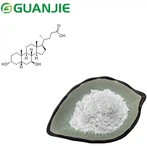
Lycopene powder is more and more popular. The Food and Agriculture Organization of the United Nations (FAO), the Committee on Food Additives (CFA) and the World Health Organization (WHO) have identified bulk lycopene as a Class A nutrient. With the increasing recognition of natural functional products by consumers, relevant scholars and enterprises have been conducting increasingly in-depth research on lycopene as a functional food ingredient. Lycopene cannot be synthesized directly by human body, but can only be obtained from natural vegetables and fruits or intestinal flora, and its sources and quantities have greater limitations.

Lycopene is considered to be an effective antioxidant due to its special chemical structure. It can effectively improve the antioxidant capacity of its own tissues and cells, and regulate the capacity of the immune system, thus effectively maintaining human health and oxidative stress-mediated dysfunction.
Mechanism of action of lycopene
• Scavenging free radicals, antioxidant
The accumulation of free radicals is an important cause of human aging. Lycopene is one of the few antioxidants in nature that has both health and coloring effects. It has the function of eliminating free radicals, avoiding oxidative damage to DNA and proteins in the body, delaying cellular aging, and slowing down the aging process.
The antioxidant activity of lycopene is mainly manifested in:
By acting on free radicals such as hydrogen peroxide, nitrogen dioxide and hydroxyl radicals, it prevents oxidation of proteins, lipids and DNA. When lycopene powder is exposed to oxidizing agents or free radicals, the double bond can be cleaved or increased while breaking the polyene chain.
•Anti-inflammatory, boosts immunity
Inflammation is the body's own defense response. In normal body homeostasis, inflammation serves to eliminate the initial factors that cause cellular damage. Disposal of necrotic cells and damaged tissue caused by injury and inflammation and tissue repair. However, if acute inflammation is not resolved, it may lead to chronic inflammation and may constitute a destructive process. It has been reported that lycopene ameliorates lipopolysaccharide-induced mitochondrial deficits in the brain and liver of mice and reduces the expression levels of pro-inflammatory cytokines TNF-a, IL-1β and IL-6, while attenuating neuroinflammation and hepatitis.
•Prevention of cardiovascular diseases
Cardiovascular diseases have become a serious threat to the health of middle-aged and elderly people. Oxidative stress and antioxidant deficiencies play a key role in the onset and development of cardiovascular diseases. Epidemiologic studies have found that mortality from cardiovascular diseases is lower in Mediterranean countries. This may be related to the intake of lycopene in the Mediterranean diet. Tomato is one of the essential vegetables in the Mediterranean diet. It provides humans with large amounts of bioactive substances such as lycopene. Some clinical studies have shown that daily supplementation of 7 mg lycopene powder in patients with coronary atherosclerosis effectively reduces Chlamydia pneumoniae IgG levels in the organism. This indicates that lycopene has significant anti-inflammatory properties, which play a positive role in the improvement and prevention of cardiovascular system diseases.
•Prevention of skin aging
Lycopene is an antioxidant that prevents the down-regulation of procollagen I and the intracellular accumulation of malondialdehyde for skin rejuvenation.UVA promotes skin aging by down-regulating the content of procollagen I and by inducing matrix metalloproteinase-related reactions. The use of antioxidants such as lycopene has been shown to be a convenient way to achieve protection against skin aging. Lycopene prevents UVA-induced upregulation and intracellular malondialdehyde production. Lycopene has been used as an ingredient in sunscreen cosmetics overseas.
•Protection of vision
Lycopene has the effect of inhibiting lipid peroxidation. It not only prevents the destruction of free radicals, but also inhibits retinal macular degeneration, thus playing a role in protecting eyesight.

•Brain Health:
Some research indicates that lycopene may have neuroprotective effects, potentially reducing the risk of neurodegenerative diseases like Alzheimer's. Its antioxidant properties help protect brain cells from damage.
•Metabolic Health:
Lycopene has been linked to improved metabolic health by regulating blood sugar levels and lipid profiles. It may help in managing conditions like diabetes and obesity.
•Male Fertility:
Lycopene is beneficial for male reproductive health as it may help improve sperm quality, count, and motility. It also plays a role in reducing oxidative stress in the reproductive organs.
•Wound Healing:
Lycopene powder has antioxidant and anti-inflammatory properties that can aid in the healing of wounds by reducing inflammation and promoting tissue regeneration.
Applications of lycopene: from common foods to dietary supplements
Lycopene can be applied to common foods and dietary supplements and other products. Among them, lycopene is used as a food additive in ordinary food. In health food, it needs to be registered and declared to publicize the approved health effects. Imported lycopene products usually enter the Chinese market as nutritional and dietary supplements (non-food and health words).
Common Foods of Lycopene powder
It is due to its super antioxidant activity that lycopene is in the field of delaying food oxidation and functional food development. It has a broad application prospect and development potential.
Beverage products containing lycopene include fruit juice beverages (fruit juice content of 25% to 99%), nutritional beverages, carbonated soft drinks, sports energy drinks, nutritional beverages and alcoholic beverages.
Lycopene is used as a food additive in general food in China, and can be added as a coloring agent in prepared milk, flavored fermented milk, confectionery, ready-to-eat cereals, baked goods, solid soups, semi-solid composite seasonings, beverages (excluding packaged drinking water), and jellies, and there is a restriction on the maximum amount of use.
How To Use Lycopene powder?
•Mixing with Food or Beverages:
Lycopene powder can be easily incorporated into your daily routine by mixing it with food or beverages. Here are some simple ways to include lycopene powder in your diet:
•Smoothies:
Blend lycopene tomato powder with fruits, vegetables, and a liquid base like water or juice to create a nutritious smoothie.
•Yogurt or Oatmeal:
Stir lycopene powder into yogurt, oatmeal, or cereal for a boost of antioxidants.
•Salad Dressings:
Mix lycopene with olive oil, vinegar, herbs, and spices to create a healthy salad dressing.
Baking:
Add lycopene to baked goods like muffins, pancakes, or energy bars for an antioxidant-rich treat.
•Cooking:
Lycopene tomato extract can also be used in cooking to enhance the nutritional value of your meals. Here are some cooking tips for using lycopene powder.
•Soups and Stews:
Sprinkle lycopene bulk powder into soups, stews, or sauces for added antioxidants.
•Marinades:
Include bulk lycopene in marinades for meats, poultry, or vegetables to infuse them with antioxidant benefits.
•Sauces:
Stir lycopeneinto pasta sauces, dips, or spreads to increase their nutritional content.
In the market for lycopene bulk powder, numerous brands and similar products with similar effects continue to emerge, making it challenging for consumers lacking sufficient knowledge to make informed selections. Guanjie has focused over 20 years to producing lycopene. With our own factory, we ensure quality assurance. If you have any questions, please feel free to contact us:info@gybiotech.com.
References:
1. Rao AV, Agarwal S. Role of lycopene as antioxidant carotenoid in the prevention of chronic diseases: A review. Nutr Res. 1999 Sep;19(2):305-23. doi: 10.1016/s0271-5317(98)00169-1. PMID: 11115798.
2. Agarwal S, Rao AV. Tomato lycopene and its role in human health and chronic diseases. CMAJ. 2000 Sep 19;163(6):739-44. PMID: 11033797; PMCID: PMC80288.
3. Gajowik A, Dobrzyńska MM. Lycopene - antioxidant with radioprotective and anticancer properties. A review. Roczn Państw Zakł Hig. 2014;65(4):263-71. PMID: 25831872.
4. Palozza P, Catalano A, Simone R, Cittadini A. Lycopene as a guardian of redox signalling. Acta Biochim Pol. 2012;59(1):21-5. Epub 2012 Mar 14. PMID: 22428136.
5. Fielding JM, Rowley KG, Cooper P, et al. Increases in plasma lycopene concentration after consumption of tomatoes cooked with olive oil. Asia Pac J Clin Nutr. 2005;14(2):131-6. PMID: 15927929.