Yes, liposomal vitamin C is better than regular vitamin C in absorption and stablity. Against the background of continuous upgrades in the beverage and health product industry, the bioavailability, stability, and formulation compatibility of functional ingredients have become key competitive advantages. Vitamin C, as one of the most widely used water-soluble antioxidants and immune-supporting ingredients, faces increasing limitations in high-end functional beverages and advanced health products due to its inherent physicochemical instability and absorption constraints. Based on nanoliposome encapsulation technology, Liposomal vitamin C powder provides improvements in molecular stability, absorption pathways, and product compatibility. It is therefore more suitable for current industry demands for high quality, high efficacy, and high retention.

Is Liposomal Vitamin C Better Than Regular Vitamin C?
Liposomal vitamin C and regular vitamin C are different from core absorption mechanisms, physicochemical stability, application adaptability and industrialized supply chain.
Differences in Core Absorption Mechanisms
• Standard vitamin C
Standard vitamin C, also known as ascorbic acid, is a water-soluble small molecule. Its absorption depends on active transport mediated by intestinal transport proteins SVCT1 and SVCT2. This system has a clear saturation limit. When a single dose exceeds about 200 mg, these transporters become saturated. Excess vitamin C is then not efficiently absorbed and is excreted.
In addition, Standard vitamin C is directly exposed to gastric acid and digestive enzymes after ingestion. A significant portion is degraded during gastrointestinal digestion. As a result, the actual absorption rate is often below 20%. With high-dose supplementation, the utilization efficiency is even lower. This is a major reason for the limited performance of conventional vitamin C products.
• Liposomal vitamin C
Liposomal vitamin C powder uses phospholipid bilayer nano-encapsulation technology. It forms micro-carriers made of phospholipids similar to human cell membranes, fully enclosing vitamin C inside liposomes. This structure changes the absorption route of vitamin C bulk powder and helps avoid the limitations of standard transport mechanisms. During digestion, the liposomal membrane protects vitamin C from gastric acid and digestive enzymes, improving stability. In the intestine, absorption is not limited by SVCT transport saturation. Instead, liposomes can enter the bloodstream and tissues through membrane fusion and endocytosis, enabling more efficient uptake.
Comparative studies show that, under the same dosage, the peak plasma concentration (Cmax) of liposomal vitamin C powder can reach about 4.4 times that of conventional vitamin C. The area under the curve (AUC), representing total absorption, is approximately 3.88 times higher. This leads to improved retention time and overall bioavailability, enabling more effective nutritional delivery.
Differences in Physicochemical Stability
The industrial production, long-term storage, and distribution of beverages and health products place very high demands on heat resistance, acid and alkali resistance, and antioxidant stability of raw materials. The differences in physicochemical stability between the two types of vitamin C raw materials directly determine the quality and shelf life of the final product.
• Regular Vitamin C
Regular vitamin C is chemically reactive and highly sensitive to temperature, light, and pH. During high-temperature sterilization and beverage processing, it is easily oxidized and decomposed, leading to loss of active ingredients. During long-term storage in acidic systems, it degrades easily. This can cause beverage discoloration, flavor changes, and failure to meet nutritional labeling standards. It also shortens product shelf life. In addition, regular vitamin C easily absorbs moisture and forms clumps. Strict temperature and humidity control is required during storage, which increases storage difficulty and production loss.
• Liposomal Vitamin C
The nano-phospholipid encapsulation structure of pure liposomal vitamin C bulk powder forms a physical protective barrier. It effectively isolates oxygen, light, temperature, and pH effects, greatly improving physicochemical stability. During high-temperature sterilization and homogenization, liposomes help retain vitamin C activity and reduce raw material loss. During long-term storage, they slow down oxidation and maintain stable color and flavor. They also help ensure consistent nutritional content throughout shelf life.
Liposomal vitamin C powder has good flowability and is less prone to moisture absorption and clumping. It adapts well to storage conditions. This reduces raw material loss and quality control costs for manufacturers, making it more suitable for large-scale industrial production.
End Product Application Adaptability
• Beverage Industry Applications
Regular vitamin C is mainly used in basic and low-end products such as standard flavored drinks and simple vitamin C beverages. Its application is limited. Products using regular vitamin C often show low absorption efficiency and weak functional perception. They may also develop sour taste and dull color due to degradation. This does not meet current demand for high-quality functional beverages.
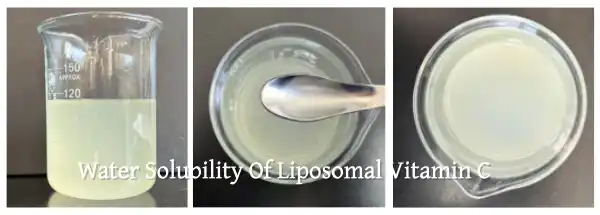
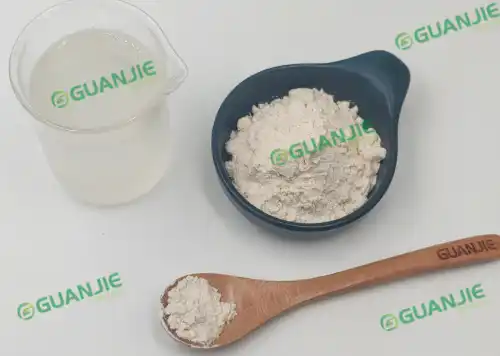
In contrast, liposomal vitamin C powder has good dispersion in water. It dissolves quickly and evenly without sedimentation or layering. It does not affect beverage clarity or original taste. Its stable properties make it suitable for sparkling drinks, functional fruit and vegetable beverages, sports drinks, and sugar-free premium beverages. Natural liposomal vitamin C powder helps balance taste, appearance, and functionality, enabling higher product differentiation and value.
• Health Supplement Applications
Regular vitamin C is mainly used in standard tablets and basic supplements. Due to limited absorption efficiency, these products often show low differentiation and weak competitiveness. High-dose use may also cause gastrointestinal discomfort such as bloating or diarrhea due to osmotic imbalance.
Liposomal vitamin C powder offers higher bioavailability and efficient absorption at lower doses. This reduces digestive burden and irritation. It is suitable for premium oral powders, sachet supplements, functional nutrition products, and immune-support formulas. Its high absorption efficiency and sustained activity help improve product positioning and support higher market value.
Advantages of Industrialized Supply Chain
Compared with regular vitamin C, the technological advantages of liposomal vitamin C have been proven in the market. However, the main barriers to wider adoption are raw material supply stability and standardized quality control.
Guanjie Biotech focuses on the R&D, production, and quality control of bulk liposomal vitamin C powder. It meets the raw material needs of the beverage and health supplement industries. The company has built a standardized production system to ensure stable, large-scale output of high-quality liposomal vitamin C powder. We use an independently developed preparation process. This improves the encapsulation efficiency of nanoliposomes. It ensures uniform particle size, stable encapsulation rate, and consistent activity in every batch. This reduces quality differences between production batches.
FAQs:
FAQ1: What raw materials are key when choosing liposomal vitamin C?
Choose L-ascorbic acid as the main form of vitamin C. Avoid low-cost sodium ascorbate.
For lipid carriers, prefer phosphatidylcholine (soy lecithin or sunflower lecithin). Higher purity improves absorption. Avoid products using hydrogenated vegetable oils or low-quality emulsifiers. These weak liposomes break easily. They do not provide real sustained release and act like normal vitamin C.
FAQ2: How to distinguish good and bad liposome encapsulation technology?
Simple test:
Liposomal vitamin C liquid should not separate or form heavy sediment.
Liposomal vitamin C powder should dissolve evenly with no oil layer on top.
Good encapsulation helps vitamin C pass stomach acid and improve intestinal absorption.
FAQ3: What additives should be avoided in liposomal vitamin C?
Keep the formula simple. Avoid high-fructose corn syrup, artificial colors, artificial sweeteners, and excess preservatives. Sensitive users should avoid sorbitol and high citric acid levels. For long-term use, avoid alcohol-based formulas. They may irritate the stomach and esophagus. Do not take them on an empty stomach.
FAQ5: How to choose liquid or powder liposomal vitamin C?
Liposomal vitamin C Liquid forms absorb faster. They are suitable for short-term use, such as immune support or skin brightening. However, they have a shorter shelf life and often contain preservatives. Liposomal vitamin C Powder forms are more stable and usually preservative-free. They are easier to store and better for long-term daily use. People with sensitive stomachs should choose powder. Liquid forms are more acidic and may cause reflux when taken on an empty stomach.
FAQ6: What qualifications and brand information should be checked?
Check production certifications, such as food-grade SC certification.
Look for third-party test reports confirming low heavy metals and safe microbial levels.
Avoid unverified repackaged cross-border products. Ensure legal import and traceability for overseas brands.
Summary
In terms of absorption efficiency, physicochemical stability, product compatibility, and industrial value, liposomal vitamin C powder is better than regular vitamin C.
• Regular vitamin C only provides basic nutritional value. It is suitable for low-end, mass-market products. However, it has several limitations, such as weak effectiveness, high degradation, poor stability, and limited user experience. It no longer fits the trend of high-end, functional, and high-quality products in the beverage and supplement industries.
• Liposomal vitamin C powder uses advanced delivery technology. It overcomes the limitations of traditional raw materials. It offers high bioavailability, strong processing stability, wide application potential, and high food safety.
It helps beverage and supplement companies improve formulations and product quality. It also strengthens product differentiation and market competitiveness. With the continuous development of the functional food industry, liposomal vitamin C will gradually replace regular vitamin C. It will become a key raw material for high-end functional beverages and advanced dietary supplements. Stable, standardized, and large-scale bulk supply will further support the adoption of this technology. It will help drive product innovation and industry upgrading. Guanjie Biotech supplies bulk liposomal vitamin C powder for the food and beverage industry. For inquiries, please contact: info@gybiotech.com.
References:
[1] Purpura, M., Jäger, R., Godavarthi, A., Bhaskarachar, D., & Tinsley, G. M. (2024). Liposomal delivery enhances absorption of vitamin C into plasma and leukocytes: a double-blind, placebo-controlled, randomized trial. European Journal of Nutrition, *63*(8), 3037–3046.
[2] Davis, J. L., Paris, H. L., Beals, J. W., Binns, S. E., Giordano, G. R., Scalzo, R. L., Schweitzer, M. M., & Bell, C. (2016). Liposomal-encapsulated ascorbic acid: influence on vitamin C bioavailability and capacity to protect against ischemia–reperfusion injury. Nutrition and Metabolic Insights, *9*, 25–30.
[3] Carr, A. C. (2025). Do liposomal vitamin C formulations have improved bioavailability? A scoping review identifying future research directions. Basic & Clinical Pharmacology & Toxicology, *137*(1), e70067.
[4] UK Food Standards Agency. (2025). Case study 1: Liposomal vitamin C. In Annex A - Discussion paper on novel formulations of supplement compounds designed to increase oral bioavailability (TOX/2025/09).
[5] Łukawski, M., et al. (2020). (As cited in the UK Food Standards Agency case study). Pharmacokinetics of liposomal vitamin C compared to unencapsulated vitamin C in healthy participants.
[6] Gopi, S., & Balakrishnan, P. (2021). (As cited in the UK Food Standards Agency case study). Oral bioavailability of liposomal and non-liposomal vitamin C in healthy adults in a cross-over design trial.
[7] Joseph, S., et al. (2021). (As cited in the UK Food Standards Agency case study). Pharmacokinetics of a multilamellar surface engineered liposomal vitamin C formulation.
[8] Jacob, J., et al. (2021). (As cited in the UK Food Standards Agency case study). Pharmacokinetics of a fibre-reinforced liposomal vitamin C preparation.