Latest Products

Contact Us
-
6th Floor, 2nd Building, Xijing NO.3, XiJing Industrial Park, DianZi Western Street, Xi'an, Shaanxi, China
-
+86-2988253271

Punicalagin Powder
Specification:30%
Test method: HPLC
Appearance: Red fine brown
Shelf time: Two years
Two Factories & Three production lines
GMP standard workshop & two independent laboratories
FDA Cert.
Certifications: Halal,ISO9001,PAHS Free,NON-GMO,KOSHER,SC
Overseas warehouse(NJ,USA)
Delivery term: DHL, FEDEX, Air freight,Sea freight
Provide Free Sample
MOQ: 1KG
Not for Private Person Sale
Description
Punicalagin powder Supplier:
Bulk Punicalagin is the main active ingredient in the bark extract of the pomegranate plant Punica granatum L. Guanjie Biotech focus on bulk Punicalagin research, production and trade. We have 2 producing lines and have the production capacity of punicalagin 45 tons annual output. We are one of the most professional Punicalagin powder suppliers. Guanjie Biotech has been on this line for more than 20 years, and there are more than 15 engineers in our team. We have more than 14 patents for the manufacturing of herbal extracts. We now have more than 50 customers from the USA, EU, Southeast Asia, and so on.

Why Choose Guanjie Biotech?
1. We can reply you within one hour for any inquiry questions and complaints.
2. We can do OEM/ODM, sachet package.
3. Our products are certified with ISO 9001-22000, SC, KOSHER, HALAL,
PUN powder is the main component of pomegranate peel polyphenols, which has antioxidant, antibacterial, antiviral, anti-inflammatory and other pharmacological effects. After being absorbed by the human body, punicalagin can be decomposed into ellagic acid under the action of human enzymes. It has excellent antioxidant properties and has been used as a food antioxidant. Now it is mostly used in cosmetics in Japan and France.
COA
|
Item |
Specification |
Result |
|
Maker Compounds |
NLT30% Punicalagin |
30.51% HPLC |
|
Organoleptic |
||
|
Appearance |
Fine Powder |
Conforms |
|
Color |
Red-Brown |
Conforms |
|
Odor |
Characteristic |
Conforms |
|
Taste |
Characteristic |
Conforms |
|
Part Used |
Hull |
Conforms |
|
extract solvent |
Ethanol & Water |
|
|
Drying Method |
Spray drying |
Conforms |
|
Physical Characteristics |
||
|
Particle Size |
NLT100%Through 80 mesh |
Conforms |
|
Loss on Drying |
≦5.0% |
3.3% |
|
Bulk Density |
40-60g/100ml |
51g/100ml |
|
Heavy metals |
||
|
Total Heavy Metals |
≤20ppm |
Conforms |
|
Arsenic |
≤2ppm |
Conforms |
|
Lead |
≤2ppm |
Conforms |
|
Microbiological Tests |
||
|
Total Plate Count |
≤1000cfu/g |
Conforms |
|
Total Yeast & Mold |
≤100cfu/g |
Conforms |
|
E.Coli |
Negative |
Negative |
|
Salmonella |
Negative |
Negative |
|
Staphylococcus |
Negative |
Negative |
What are The Functions of Punicalagin Powder?
● Antibacterial effect
Studies have shown that PUN is antibacterial against Gram-positive and Gram-negative bacteria. PUN and EA have been shown to have antibacterial activity against Staphylococcus aureus, Pseudomonas aeruginosa, Escherichia coli and some Clostridium species. PUN has been shown to inhibit the growth of cariogenic bacteria at high concentrations; however, at subbactericidal concentrations, it inhibits biofilm development and Streptococcus mutans production of acidic and extracellular polysaccharides, suggesting that PUN has the potential to prevent tooth decay.
● Antiviral effects
Lin et al. An extensive analysis of the effects of hydrolyzable tannins on a panel of viruses was performed. Routes of viral binding, infection entry and transmission during treatment with these substances were investigated. Antiviral activity was found against viruses known to use cell surface glycosaminoglycans (GAGs) to enter host cells. The study reports that PUN is effective against human cytomegalovirus (HCMV) virus, herpes simplex virus (HSV-1), hepatitis C virus (HCV), respiratory syncytial virus (RSV), measles (MV) and dengue virus (DENV), with no apparent cytotoxicity at different concentrations. Tito et al. Even reported in their study that PUN and EA inhibited the interaction between Spike protein and ACE2 and reduced viral 3CL protease activity in vitro, suggesting that pomegranate extract has potential use in the prevention and treatment of SARS-CoV-2 disease.

● Antioxidative activity – oxidative stress
Oxidative stress is caused by an imbalance between the accumulation and production of oxygen-reactive species (ROS) in cells and tissues and the ability of biological systems to detoxify these reactive products [52]. Due to this imbalance, important cellular macromolecules (lipids, carbohydrates, proteins and DNA) are damaged. Oxidative stress has also been implicated in the manifestations of many chronic diseases, such as metabolic, neurodegenerative, cardiovascular, pulmonary, renal and cancer diseases . Several antioxidants have been described with beneficial effects on oxidative stress, including PUN, metabolized EA, and urolithin.
Sun et al. describe their studies in which they used different antioxidant assays (iron reduces antioxidant capacity and lipid peroxidation) or free radical scavenging assays (DPPH and O 2 -). Tests confirmed that PUN, PL (punicallin), and EA have strong antioxidant capacity, and the difference may be related to different aggregates and the number of unsaturated double bonds.
Several publications have shown that PUN and PL are more capable of free radical scavenging than EA due to their high hydroxylation [56]. The results of Sun et al. showed that PL represented the lowest LPO inhibitory ability of all three compounds. All three compounds exhibit strong antioxidant effects; however, their abilities differ in the type of free radicals. EA is more effective than PUN or PL in protecting the body from oxidative damage, especially intestinal damage.
EA-derived urolithins are also considered to be modulators of oxidative stress. Bialonska et al. A test was performed measuring the test compounds (urolithin A; B; C; D; 8-O-methylurolithin A; 8,9-di-O-methylurolithin C; and 8, 9-di-O-methylurolithin D) inhibits the production of intracellular ROS. The results showed that the significant antioxidant effect of urolithin was related to the number of hydroxyl groups and the lipophilicity of the molecule. Urolithin C (IC 50 = 0.16 μM) and urolithin D (IC 50 = 0.33 μM) had the highest antioxidant activity. The antioxidant activity of urolithin A was less pronounced (IC 50 = 13.6 μM), while urolithin B and all methylated urolithins did not show any antioxidant activity at all. The results of this study suggest that urolithin may have systemic antioxidant effects.

● Hepatoprotective activity
Fouad et al. PUN was found to protect rats from cyclophosphamide-induced hepatotoxicity (CYP). CYP is an alkylated nitrogen berberine used as an anticancer and immunosuppressant. However, this substance has a number of toxic effects that inhibit its effectiveness [58]. Metabolites (phosphoramide and acrolein) formed from cyclophosphamide in the liver increase the formation of reactive oxygen species (ROS).
This leads to oxidative stress and subsequent activation of the NF-κB signaling pathway that regulates the inflammatory cascade and the production of pro-inflammatory cytokines (i.e., TNF-α and IL-1β). CYP has been shown to cause significant damage to apoptosis and necrosis in liver tissue and hepatic tissue, respectively. PUN can maintain liver tissue integrity and reduce liver injury scores to manageable levels.
In another study, rats were given acrylamide (ACR), which is commonly used in the industry. ACR causes oxidative stress and triggers apoptosis in brain and liver tissues [60]. Severe dyskinesias were observed in rats following application of ACR (50 mg/kg/11 days), whereas pretreatment of rats with different doses of PUN, especially 20 mg/kg, reported protection against ACR toxicity in the tested tissues effect. The antioxidant and anti-apoptotic properties of PUN can be considered as the main mechanism to prevent ACR-induced toxicity.
● Anti-diabetic and anti-obesity activities
At present, obesity and diabetes have become increasingly serious health problems. Recent studies on metabolic diseases such as diabetes and obesity have shown that punicalagin powder, EA, and urolithin A have the ability to inhibit enzymes involved in carbohydrate and triglyceride metabolism, such as DPP-4, α-GLU, and lipase. During the differentiation of the 3T3-L1 cell line with these polyphenols, the efficiency of these compounds to inhibit adipogenesis and the ability to reduce triglyceride accumulation was demonstrated. They have also been shown to have the potential to modulate the expression of genes regulating fatty acid and glucose metabolism, such as GLUT4, FABP4, adiponectin, and PPARy genes, which are commonly used as markers of adipocyte differentiation.
The study by Wu et al. demonstrated that PUN and EA significantly inhibited lipid accumulation in 3T3-L1 adipocytes in a dose-dependent manner. The 3T3-L1 cell line, derived from isolated Swiss mouse 3T3 embryos, is the most widely used and reliable adipocyte culture model. In this study, they found that 5.24 μg/mL (5 μM) PUN and 4.5 μg/mL (15 μM) EA exhibited the same inhibitory activity against C75 and EGCG, but at much lower concentrations. Therefore, PUN and EA showed stronger inhibitory effects than the classical fatty acid synthase (FAS) inhibitors C75, cerulenin and EGCG. Since FAS plays a major role in the fatty acid biosynthetic pathway, these findings suggest the potential use of PUN and EA in the prevention and treatment of obesity.
In a study by Requero et al., six plant extracts were selected for study. The aim was to investigate the metabolic processes involved in thermogenic activation and increased mitochondrial respiration capacity as a complementary approach to increasing energy expenditure in obesity-related metabolic changes. The results showed that PUN increased the expression of UCP1, UCP2, BMP8B and CKMT2 in mature adipocytes, consistent with increased mitochondrial H leak and decreased neutral lipid accumulation, suggesting a positive effect on the induction of thermogenesis in white adipose tissue.
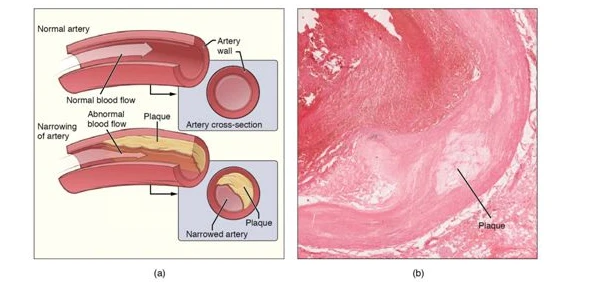
● Anti-atherosclerotic activity
Atherosclerosis is a chronic disease that impairs arterial walls and blood vessel function due to many factors, such as fatty food intake and genetics. The disease is characterized by impaired lipid metabolism and endothelial function. It is also one of the leading causes of death worldwide. Endothelial dysfunction is characterized by increased expression of adhesion molecules, such as vascular cell adhesion molecule-1 (VCAM-1) and intercellular adhesion molecule-1 (ICAM-1), which allow monocytes to accumulate in the subendothelial matrix accumulation. Infiltrating monocytes differentiate into macrophages and/or dendritic cells. The uptake of native LDL and oxidized low-density lipoprotein (oxLDL) by these cells leads to the formation of foam cells, which in turn contributes to atherosclerosis.
Since cholesterol degradation has been found to be indirectly related to the occurrence of cardiovascular events, studies have been conducted to demonstrate a link between cholesterol degradation capacity and cardiovascular mortality. Ellagic tannins and their bioactive compounds are converted by gut microbiota into low molecular weight compounds, including urolithin B, which have been shown to significantly increase cholesterol degradation by macrophages. Research data suggest that urolithin B reduces lipid plaque deposition and modulates the expression of type I scavenger B receptor (SR-BI) and ABCA1 involved in reverse cholesterol transport.
In their study, Cui et al investigated whether urolithin A has therapeutic potential in improving atherosclerotic lesions in the Wistar rat model. The rats were fed a high cholesterol diet supplemented with vitamin D3 for 12 weeks. Subsequently, rats were administered urolithin A (3 mg/kg/day) three days prior to aortic injury. After twelve weeks of urolithin A treatment, plasma lipid and angiotensin II levels were significantly lower and aortic lesions improved compared with placebo. Increased expression of SR-BI, inhibition of p-ERK1/2 and activation of Nrf-2 signaling pathway. SR-BI expression is indirectly correlated with Ang II levels.
In the study by Mele et al., the effects of metabolites of ellagitannins Uro A, Uro B, Uro C and Uro D, and their precursor EA, were investigated at two low concentrations of μM (1-10 μM). Research. The major events leading to atherosclerotic plaque formation are endothelial activation and the consequent recruitment of circulating monocytes and cholesterol transport and foam cell formation. Of the metabolites tested, Uro C was the most potent, with similar biological activity to EA, while Uro A and Uro B were active at 10 μM in combination.

● Toxicological findings and genotoxicity
To date, only a few scientific studies have described the toxicity of ellagitannins contained in pomegranates. Studies in cattle have shown that high intake of ellagitannins, especially PUN, is associated with hepatotoxicity and nephrotoxicity. In a study of a complex mixture of pomegranates, tannins were considered antioxidants but were found to have some genotoxic activity [69]. Labieniec et al. It is thought that tannins, including tannin, gallic acid and ellagic acid, may contribute to the formation of single-strand DNA breaks.
Studies on cultured Chinese hamster B14 cells found that tannins, known as antioxidants, act as pro-oxidants. The study by Xu et al. noted that PUN treatment at concentrations from 0 to 400 μM had no cytotoxic effect on RAW264.7 cells, suggesting that the inhibitory effect of PUN was not due to a decrease in cell viability. Repeated oral high-dose pomegranate PUN for 37 days in rats is nontoxic, and PUN is expected to be administered to humans without severe toxicity.
Similarly, the study by Zahin et al. It was confirmed in a genotoxicity study that PUN and EA did not have any mutagenic effects on Salmonella typhimurium, instead they showed protection against DNA damage and high antiproliferative activity. PUN and EA have been shown to have almost similar levels of antimutagenic properties against many mutagens and may be promising candidates for future anticancer drugs.
Our factory:
There are two factories both in Baoji city and Shangluo City, Guanjie factories covers an area of 7000㎡, including GMP standard workshop of 2000㎡.

Product Qualification
Punicalagin powder is produced in a clean working environment and every step is conducted by highly qualified professionals. Both the production processes of manufacture and the product itself meet all international standards. And if you need our testing report, we can provide you.

Testing Center:
Both the production processes of manufacture and the product itself meet all international standards. And if you need our testing report, we can provide you.

Certification
We have obtained the NON-GMO by Pony test international group. And we get the certifications about HALAL,ISO 9001,ISO 22000,Kosher, PAHS,SC and so on.

Package&Warehouse:

Shipment:
DHL, FEDEX, Sea freight,Air freight you can choose.

Hot Tags: punicalagin powder, China punicalagin powder manufacturers, suppliers, factory, Garcinia Extract Powder, flaxseed protein powder, Natural Beta-Carotene Powder, L Arginine Base Powder, Gynostemma Extract Powder, Daidzein Powder
You Might Also Like