Latest Products


Contact Us
-
Building 2, QinChuang Chang'an Industrial Park,Chang'an District, Xi'an City, Shaanxi Province
-
+86-2988253271

Sodium DNA Powder
PDRN Powder
Other Name:Polydeoxyribonucleotide
CAS No.:100403-24-5
Appearance: White or off-white powder or fibre polymer, particle
Solubility: Slightly soluble in water, insoluble in ethanol
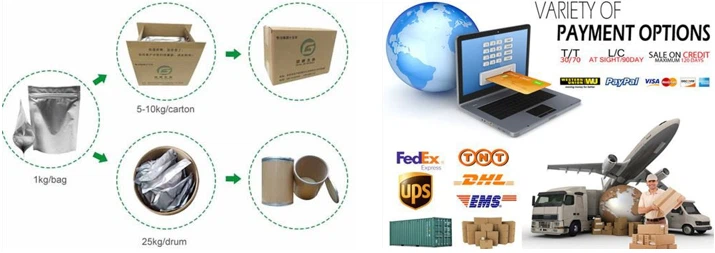
Delivery Term: DHL, Fedex, Air freight, and sea freight
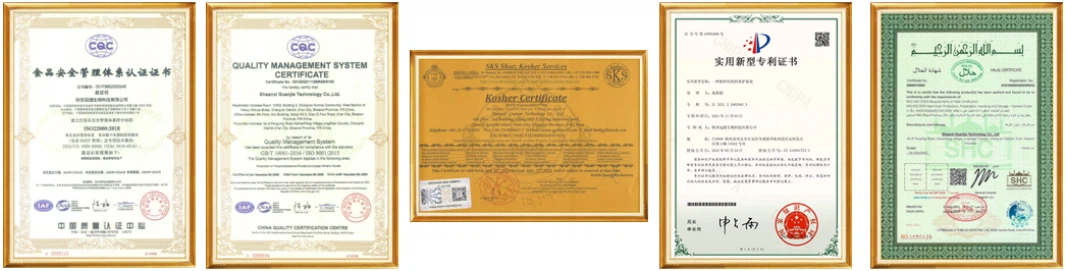
Cert.: Halal, Kosher,ISO, HACCP and other patents.
Provide Free Sample
MOQ: 1 KG
Not for private sale
Description
Sodium DNA Powder Supplier | PDRN Raw Material Manufacturer – Guanjie Biotech
Guanjie Biotech is a Sodium DNA powder supplier providing PDRN powder and Sodium DNA raw materials for B2B applications. Sodium DNA, also known as polydeoxyribonucleotide (PDRN), is identified by the INCI name Sodium DNA. It typically appears as a white to off-white powder or fibrous polymer. Sodium DNA is slightly soluble in water and insoluble in ethanol. As a PDRN powder supplier, Guanjie Biotech supports ingredient sourcing for manufacturers developing skincare formulations and other suitable products. Contact us for Sodium DNA powder product specifications and technical documentation.
Sodium DNA / Polydeoxyribonucleotide Quick Specification:
|
Project Name |
Content |
|
(English) INCI |
Sodium DNA / Polydeoxyribonucleotide |
|
Name CAS |
Sodium DNA |
|
Number Main |
100403-24-5 |
|
Uses |
Cosmetic raw material (approved for use in medical-device-grade products; complies with GMP requirements) |
|
Recommended Dosage |
0.1%–3% |
|
Storage Conditions |
Store at 2–8°C; avoid high temperatures, direct sunlight, and prolonged exposure to air or humid environments. |
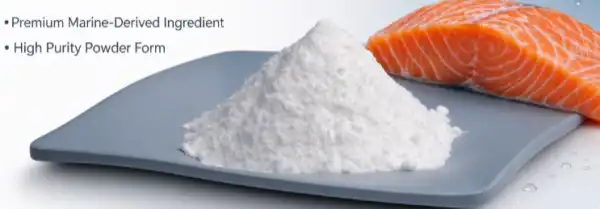
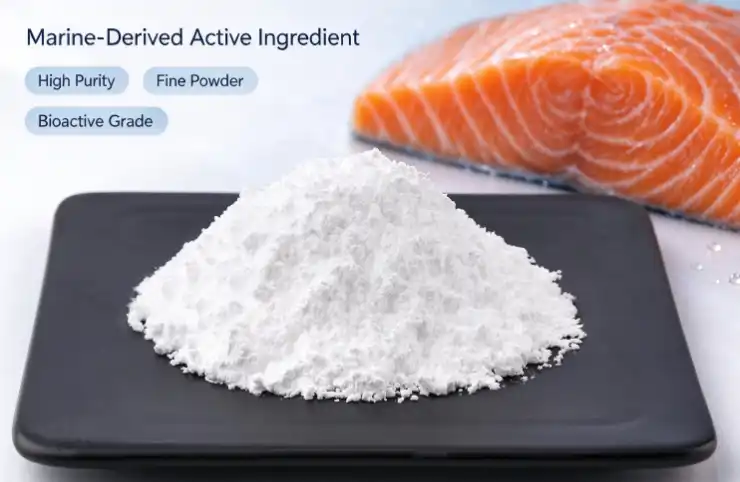
Sodium DNA / Polydeoxyribonucleotide Powder is a natural restorative ingredient extracted from the germ cells (milt) of marine fish-specifically salmon-through rigorous purification and sterilization processes. With a structural similarity of up to 98% to human DNA, it is processed using advanced biotechnology to precisely cleave DNA strands into low-molecular-weight DNA complexes. Sodium DNA powder serves as a core functional raw material in the fields of skin repair and anti-inflammation.
COA:
|
TEST ITEMS |
SPECIFICATIONS |
RESULTS |
|
Characters |
White or off-white powder or fibre polymer, particle |
White powder |
|
Characters |
Slightly soluble in water, insoluble in ethanol |
Complies |
|
Identification |
Max. absorption 258nm~262nm, ratio of absorbance at 260nm and 280nm 1.8~2.0 |
Max. absorption 258nm, ratio of absorbance at 260nm and 280nm 1.9 |
|
pH Value |
5.0~9.0 |
6.8 |
|
Solution appearance |
Clear, A<sub>600nm</sub> ≤ 0.01 |
Complies |
|
Average Molecular Weight |
≤1000kD |
25kD |
|
Protein |
NMT 1.0% |
0.6% |
|
Hyperchromicity |
NLT 30.0% |
45.0% |
|
Loss on Drying |
NMT 15.0% |
5.2% |
|
Heavy Metals |
NMT 20ppm |
Complies |
|
Microbiological Examination |
Aerobic bacterial count: NMT 500cfu/g |
Complies |
|
Assay (UV) |
NLT 95.0% |
103.7% |
|
Conclusion |
Comply with Sodium DNA Specification and Standard Operating Procedure for Testing. |
|
|
Remarks |
None |
PDRN Powder Manufacturing Process: How Is Polydeoxyribonucleotide Extracted?
The production process for PDRN (polydeoxyribonucleotide) powder at Guanjie Biotech follows a controlled workflow based on four key principles: gentle extraction, precise enzymatic hydrolysis, effective purification, and microbial quality control.
Sodium DNA powder is a DNA-derived ingredient commonly obtained from salmon reproductive tissue, particularly salmon milt. The manufacturing process involves multiple extraction and purification steps to obtain a purified DNA fragment preparation with a controlled molecular weight distribution.
Step 1: Raw Material Pretreatment – Thawing and Shredding of Salmon Milt
Salmon EXTRA (fish reproductive tissue) is used as the starting material for salmon-derived PDRN extraction. After controlled thawing, the raw material is mechanically shredded to increase its surface area. This facilitates subsequent tissue homogenization and enzymatic hydrolysis.
Using traceable marine biological raw materials helps establish the foundation for consistent PDRN Sodium DNA powder production and batch-to-batch quality management.
Step 2: Tissue Homogenization – Sodium Chloride and Sodium Citrate Solution
The shredded salmon milt is homogenized using a solution containing 0.14 M sodium chloride (NaCl) and 0.015 M sodium citrate.
This salt system provides controlled processing conditions for nucleic acid extraction. Sodium citrate also functions as a metal-ion chelator, helping inhibit certain nuclease activities that may contribute to DNA degradation. Maintaining appropriate processing conditions is important for preserving DNA integrity during PDRN Sodium DNA powder extraction and purification.
Step 3: Centrifugation and Supernatant Separation
After homogenization, centrifugation separates insoluble cellular components from the nucleic-acid-containing fraction. Cell debris, lipids, and some insoluble proteins are removed during this operation.
This preliminary separation reduces the impurity load and prepares the extracted material for further purification.
Step 4: Enzymatic Hydrolysis to Release Deoxyribonucleoprotein
Enzymatic hydrolysis is used to process the deoxyribonucleoprotein (DNP) complex and facilitate the separation of DNA from associated proteins.
Controlled hydrolysis conditions help obtain DNA suitable for subsequent purification while limiting unnecessary degradation. This step is important in the production of salmon DNA-derived PDRN powder.
Step 5: Protein Removal Using Sodium Dodecyl Sulfate (SDS)
Sodium dodecyl sulfate (SDS) is introduced to denature proteins and facilitate their separation from nucleic acids.
Effective protein removal is an important part of the PDRN purification process because residual proteins can affect the purity and quality of the final ingredient. Appropriate processing and subsequent purification help reduce protein-related impurities.
Step 6: Centrifugation to Remove SDS and Protein Complexes
Centrifugation is performed to separate SDS-associated protein complexes and other precipitated impurities. This step helps reduce residual surfactant and protein contamination before further DNA purification. Residual SDS should be controlled through appropriate analytical testing and process validation.
Step 7: Ethanol Precipitation
Ethanol precipitation is used to recover and concentrate DNA from the processed solution. Because DNA has reduced solubility under suitable ethanol and salt conditions, it can be precipitated and separated from many soluble small-molecule impurities. This step further concentrates the nucleic acids and prepares them for buffer dissolution and additional purification.
Step 8: Dissolution in TE Buffer and Sterile Filtration
The DNA precipitate is dissolved in TE buffer, which contains Tris and EDTA. Tris helps maintain a stable pH, while EDTA chelates metal ions that are required by certain nucleases. The solution subsequently undergoes filtration under validated processing conditions. Microbial control and filtration performance are important considerations for manufacturers producing high-quality polydeoxyribonucleotide Sodium DNA powder ingredients.
Step 9: Desalting Through Ultrafiltration
Ultrafiltration removes excess salts and low-molecular-weight impurities through a membrane-based separation process. Depending on the selected membrane and process parameters, ultrafiltration can also help control the molecular weight distribution of the recovered DNA fragments. This step is particularly important when manufacturing low-molecular-weight PDRN powder for specific formulation requirements.
Step 10: Lyophilization (Freeze-Drying)
After purification and concentration, the PDRN solution undergoes lyophilization to remove water under controlled conditions. The resulting PDRN freeze-dried powder is typically white or off-white and may have a powdery, fibrous, or granular appearance, depending on the final processing conditions. Freeze-drying helps reduce moisture and supports product storage, transportation, and downstream formulation.
Step 11: Weighing and Customized Packaging
The finished PDRN powder is weighed according to customer specifications and packaged in suitable containers, such as sealed plastic bottles. For B2B procurement customers, packaging quantities and specifications can be customized according to order requirements, sample evaluation, and bulk Polydeoxyribonucleotide Sodium DNA powder purchasing needs.
Step 12: Storage and Shipment
The PDRN Polydeoxyribonucleotide Powder product is stored at 2–8°C under the specified storage conditions. Sodium DNA powder is shipped as a non-hazardous material in accordance with applicable transportation and packaging requirements.
Comparison of Quality Parameters
The core quality parameters of PDRN Sodium DNA powder directly determine its biological activity. The following is a comparison between Guanjie Biotech's products and those from another PDRN manufacturer.
|
Test Items |
Guanjie Biotech |
A PDRN manufacturer |
|
Protein impurity content |
Below 0.5% |
2.2% |
|
Above 35% |
3.4% |
|
|
Bacterial endotoxins (for topical use) |
Below 3.5 EU/mg |
Exceeds 3.5 EU/mg; does not meet requirements |
|
Bacterial endotoxins (for injection) |
Below 0.5 EU/mg |
- |
Analysis of the Hyperchromic Effect in PDRN Powder
The hyperchromic effect is an important analytical indicator for evaluating the double-helical structure and quality of PDRN powder (Polydeoxyribonucleotide). When the DNA double helix unwinds due to heating or denaturation, the exposure of nucleotide bases increases UV absorption at 260 nm. This phenomenon is known as the hyperchromic effect.
The hyperchromic effect helps characterize DNA structural integrity and denaturation behavior. However, it should be evaluated alongside other analytical parameters rather than used as a standalone indicator of biological activity.
Guanjie Biotech's high-purity Sodium DNA powder demonstrates a hyperchromic effect of over 35%, according to our salmon extract PDRN product specifications. This parameter supports the structural quality assessment of our PDRN raw materials and provides an additional reference for quality control.
Control of Protein Impurities and Endotoxins
Impurity control is essential for cosmetic-grade PDRN and other high-purity Sodium DNA raw materials. Guanjie Biotech maintains protein impurity levels below 0.5%. The bacterial endotoxin specification is below 3.5 EU/mg for topical applications and below 0.5 EU/mg for injectable-grade materials.
These quality specifications support consistent product evaluation and help manufacturers select suitable salmon extract PDRN powder ingredients for cosmetic formulations and other specialized applications. Relevant analytical reports and product documentation can support raw material qualification.
Is Sodium DNA powder stable?
|
Item |
Description |
|
Appearance/Characteristics |
Sodium DNA powder appears as a white or off-white powder, fibrous polymer, or granules. |
|
Odor |
Has a faint, characteristic odor. |
|
Solubility |
Slightly soluble in water; insoluble in ethanol. |
|
Stability |
Stable under recommended storage conditions. |
|
Conditions to Avoid |
Avoid high temperatures, direct sunlight, prolonged exposure to air, or humid environments. |
|
Storage Conditions |
2–8°C |
|
Shelf Life |
24 months |
PDRN Powder Formulation Stability
PDRN Powder (Sodium DNA Powder) is a water-soluble DNA ingredient commonly used in skincare formulations. To maintain its stability and preserve the integrity of its DNA double-helical structure, avoid highly alkaline environments and high-temperature processing. It is recommended to add PDRN raw material during the final stage of formulation. Due to its excellent water solubility, Sodium DNA Powder should be incorporated into the aqueous phase. Proper formulation control helps maintain ingredient quality and supports consistent performance in finished skincare products.
Is PDRN Powder Safe?
PDRN powder (Sodium DNA powder) is a cosmetic ingredient used in skincare formulations. According to the available safety assessment, this cosmetic-grade PDRN raw material is non-flammable, non-explosive, and readily biodegradable. It shows no reported skin irritation or sensitization and no evidence of mutagenicity under the tested conditions. The material also has a reported Meixiu cosmetic ingredient safety rating of Level 1, indicating the highest safety classification within that rating system. Safety claims should be supported by relevant test reports.
|
Item |
Results |
|
Health Hazards |
Non-hazardous |
|
Environmental Hazards |
Non-hazardous |
|
Fire and Explosion Hazards |
This product is neither flammable nor explosive |
|
Skin Irritation |
None |
|
Skin Sensitization |
None |
|
Mutagenicity |
None detected |
|
Biodegradability |
Readily biodegradable |
|
Environmental Toxicity |
Unknown |
Operational Precautions for PDRN Powder
When handling PDRN Powder (Sodium DNA Powder), ensure adequate ventilation to prevent excessive dust accumulation. Operators should wear appropriate personal protective equipment (PPE), including a face mask, safety goggles, protective clothing, and rubber gloves. These PDRN Powder safety precautions help minimize direct contact and accidental inhalation during production and handling.
First Aid Measures
If PDRN raw material comes into contact with the skin, rinse thoroughly with clean water. In case of eye contact, flush immediately with plenty of water for at least 15 minutes. If irritation or discomfort persists, seek medical attention. If inhaled, move the affected person to an area with fresh air and obtain medical assistance if symptoms continue. If swallowed, rinse the mouth with water and seek medical advice if discomfort occurs.
Storage and Transportation
Store Sodium DNA Powder at 2–8°C. Under the recommended storage conditions, the shelf life is 24 months. Keep the product away from high temperatures, direct sunlight, excessive moisture, and prolonged exposure to air. Transport it as a non-hazardous material. Standard packaging consists of plastic bottles, with customized packaging specifications available upon request.
FAQs:
Q1: Why is hyperchromicity important for the quality of PDRN powder?
Hyperchromicity describes increased ultraviolet absorbance associated with DNA structural changes. It helps characterize DNA properties and denaturation behavior. Guanjie Biotech's supplied COA reports 45% hyperchromicity. This parameter should be assessed alongside other validated quality indicators.
Q2: How is PDRN Sodium DNA powder manufactured?
Salmon-derived PDRN powder is produced through controlled extraction and purification processes. Typical steps include salmon milt pretreatment, homogenization, centrifugation, enzymatic hydrolysis, protein removal, DNA precipitation, ultrafiltration, filtration, freeze-drying, packaging, and quality testing to support batch consistency.
Q3: What is the recommended usage level of Sodium DNA powder in skincare?
The supplied product information recommends a usage range of 0.1%–3% for skincare formulation development. The appropriate concentration depends on product type, ingredient compatibility, stability, safety assessments, formulation objectives, and applicable cosmetic regulations.
Q4: How can formulators maintain PDRN powder stability?
Formulators should avoid excessive heat, strongly alkaline conditions, and unsuitable storage environments. Incorporating Sodium DNA during the cooling stage may help limit processing-related degradation. Compatibility testing and accelerated and long-term stability studies are recommended for finished formulations.
Company Advantages:

Certification
Package & Shipment
Hot Tags: sodium dna powder, China sodium dna powder manufacturers, suppliers, factory, Alpha-GPC Powder, D-Chiro Inositol Powder, L-carnitine Fumarate Powder
You Might Also Like