Latest Products


Contact Us
-
6th Floor, 2nd Building, Xijing NO.3, XiJing Industrial Park, DianZi Western Street, Xi'an, Shaanxi, China
-
+86-2988253271

Vitamin B1 Powder
CAS:67-03-8
Specification: 99%
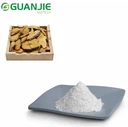
Appearance: White,off-white tiny,or colorless crystals
Solubility:Soluble in water, glycerol well;Slightly Soluble In Ethanol
Storage:Keep in a cool, dry, dark location in a tightly sealed container or cylinder.
Supply Ability:50000 Ton/Tons per Month
Two Factories & Three production lines
GMP standard workshop & two independent laboratories
FDA Cert.
Certifications: Halal,ISO9001,PAHS Free,NON-GMO,KOSHER,SC
Overseas warehouse(NJ,USA)
Delivery term: DHL, FEDEX, Air freight,Sea freight
Provide Free Sample
MOQ: 1KG
Not for Private Person Sale
Description
Vitamin B1 Powder Supplier:
Guanjie Biotech is a bulk Vitamin B1 Powder supplier. It is a dietary supplement that is essential for the human body. It is typically found in foods such as whole grains, nuts, and seeds. Our product is white to off-white, with a tiny crystalline or colorless appearance. It is soluble in water and glycerol, and slightly soluble in ethanol. For optimal quality, it should be stored in a cool, dry, and dark environment, sealed tightly in containers or cylinders. Guanjie Biotech can provide up to 50,000 tons Vitamin B1 powder monthly, ensuring a stable and large-scale supply. As a reliable and professional supplier, we are committed to offering consistent quality, competitive prices, and excellent service. We welcome your inquiries and look forward to building long-term business partnerships.

Why Choose Guanjie Biotech?
● Independent factories and labs.
● Provide the third-party testing.
● Have been in Vitamin B1 powder for 20 years.
● Have strong Collaborators: Northwestern University and the Chinese Academy of Sciences research center
COA
|
Product Name: Vitamin B1 |
|||
|
Item |
Specification |
Results |
|
|
Appearance |
White,off-white tiny,or colorless crystals |
Qualified |
|
|
Identification |
Infrared |
Should be consistent with the graph |
Qualified |
|
Physicochemical |
Positive |
Qualified |
|
|
Solubility |
Soluble in water, glycerol well; Slightly Soluble In Ethanol |
Qualified |
|
|
AssayBP2015 (C12H17ClN4OS·HCl) |
98.5%~101.0% |
99.6% |
|
|
PH |
2.7~3.3 |
3.0 |
|
|
Clarity |
Clarified,no deep than V7 |
Qualified |
|
|
Sulphate(ppm) |
<300 |
<300 |
|
|
Related substance |
Any impurities % |
≤0.4 |
0.1 |
|
Total impurities% |
≤1.0 |
0.2 |
|
|
Heavy Metal(ppm) |
≤20 |
<20 |
|
|
Moisture% |
≤5.0 |
2.7 |
|
|
Residue ignition% |
≤0.1 |
0.04 |
|
|
Conclusion: Complies with standard BP2015 |
What are the chemical and Physical Properties of Vitamin B1 powder?
Vitamin B1 powder is also known as thiamine or thiamine hydrochloride (common supplemental form). It is a water-soluble vitamin belonging to the B-complex group. It plays a vital role in carbohydrate metabolism and neural function. Chemically, thiamine consists of a pyrimidine ring linked to a thiazole ring via a methylene bridge. Its molecular formula for thiamine hydrochloride is C12H17ClN4OS·HCl, with a molecular weight of 337.27 g/mol. The compound contains nitrogen, sulfur, and oxygen atoms, contributing to its biochemical reactivity.

Thiamine hydrochloride is highly polar and exhibits strong solubility in water (about 1 g/mL at 20°C), but is practically insoluble in most organic solvents such as ether, chloroform, or benzene. This water solubility facilitates rapid dissolution in aqueous formulations but also makes it more prone to degradation in alkaline conditions. Thiamine is relatively stable in acidic solutions but decomposes when exposed to neutral or alkaline pH, especially under heat. Vitamin B1 powder is also sensitive to oxidizing agents, ultraviolet light, and prolonged exposure to air.
Physically, vitamin B1 powder hydrochloride appears as a white to pale yellow crystalline powder with a faint characteristic odor and slightly bitter taste. It is hygroscopic, readily absorbing moisture from the atmosphere, so it should be stored in tightly sealed containers, away from humidity and direct light. The powder has a melting point around 248–252°C (with decomposition).
The free base form of thiamine is less stable than the hydrochloride salt and is rarely used in supplements due to its instability in aqueous environments. The hydrochloride form's crystalline structure contributes to its higher shelf stability, making it the preferred form for pharmaceutical and nutraceutical applications. Overall, vitamin B1 powder's chemical and physical characteristics require careful handling to preserve potency and efficacy during storage and formulation.
What are the food sources of Vitamin B1 powder?
1. Natural Food Sources of Vitamin B1
● Whole Grains:
Whole grain products like brown rice, oatmeal, and whole wheat bread are excellent natural sources of Vitamin B1 powder. They contain high amounts of thiamine, which makes them ideal for individuals looking to obtain vitamin B1 from natural food sources.
● Beans and Legumes:
Beans and legumes like kidney beans, chickpeas, and lentils are also rich in vitamin B1. They are ideal for vegetarians and vegans looking to obtain vitamin B1 from natural food sources.
● Nuts and Seeds:
Nuts and seeds like sunflower seeds, sesame seeds, and pine nuts are rich in vitamin B1. They are also a good source of protein and healthy fats.
● Vegetables:
Vegetables like asparagus, kale, spinach, and Brussels sprouts are rich in vitamin B1. They are also loaded with other essential vitamins and minerals.
● Fish:
Fish like salmon, tuna, and trout are rich in vitamin B1. They are also loaded with omega-3 fatty acids, which make them ideal for individuals looking to obtain multiple benefits from a single food source.
2. Synthetic Food Sources of Vitamin B1
● Multivitamin Supplements:
Multivitamin supplements that contain Vitamin B1 powder are a great way to obtain the required amounts of this essential vitamin. However, it is essential to purchase supplements from a reputable brand and read the label carefully.
● Fortified Foods:
Fortified foods like breakfast cereals, bread, and energy bars are often enriched with vitamin B1. They are an excellent option for individuals looking to obtain Vitamin B1 powder from a variety of food sources.

● Vitamin B-Complex Supplements:
Vitamin B-complex supplements contain a combination of B vitamins, including vitamin B1. They are ideal for individuals looking to obtain multiple B vitamins from a single supplement.
Vitamin B1 powder is an essential nutrient that plays a crucial role in maintaining good health. It is essential to obtain the required amounts of vitamin B1 from natural or synthetic food sources. Natural food sources like whole grains, beans and legumes, nuts and seeds, vegetables, and fish are excellent sources of vitamin B1. Synthetic food sources like multivitamin supplements, fortified foods, and vitamin B-complex supplements can also help individuals meet their daily vitamin B1 requirements.
What Is The Dosage Of Vitamin B1 powder?
A recommended daily intake of Vitamin B1 powder varies from person to person depending on age, gender, and certain health conditions. The following are the daily-recommended doses for Vitamin B1 for different age groups and health conditions:
● Infants (0-6 months): 0.2 mg/day
● Infants (7-12 months): 0.3 mg/day
● Children (1-3 years): 0.5 mg/day
● Children (4-8 years): 0.6 mg/day
● Adolescents (9-13 years): 0.9 mg/day
● Adolescents (14-18 years): 1.2 mg/day
● Adults (19 years and above): 1.1-1.2 mg/day for women and 1.2-1.4 mg/day for men
● Pregnant and lactating women: 1.4-1.5 mg/day
Individuals with certain medical conditions, such as diabetes, gastrointestinal diseases, and alcoholism, require higher doses of Vitamin B1. In such cases, a healthcare provider should determine an appropriate dosage.
Vitamin B1 powder can be mixed with water or juice and consumed. A typical dosage recommended for the powder form is 100mg to 300mg, one to three times a day. It is recommended to take Vitamin B1 with food to aid in absorption.
Factory&Team:

Certification

Package & Shipment

Hot Tags: vitamin b1 powder, China vitamin b1 powder manufacturers, suppliers, factory, Alpha-GPC Powder, D-Chiro Inositol Powder, L-carnitine Fumarate Powder
You Might Also Like