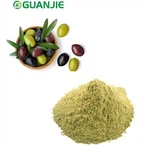
Yes, apple cider vinegar can be used for cleaning. As green and low-irritation cleaning products grow, plant-based organic acids are key ingredients. Apple cider vinegar is a mature, natural, industrially applicable raw material. Bulk apple cider vinegar powder supports efficient large-scale production, storage, and formulation use.

Why Can Apple Cider Vinegar Be Used For Cleaning?
Commercially manufactured apple cider vinegar is produced through secondary fermentation and brewing of fresh apples. Its main active cleaning components are acetic acid, malic acid, and other small-molecule organic acids. Liquid apple cider vinegar maintains a stable pH range of 2.4 to 3.3.
For bulk spray-dried apple cider vinegar powder, the solid organic acid content is standardized and strictly controlled. After full dissolution in water, it can restore the original acidity system. No additional chemical additives are used. Its cleaning effects come from physical and chemical reactions. It provides four main functional properties for professional cleaning applications.
• First, it dissolves inorganic mineral scale.
Calcium carbonate and magnesium carbonate from hard water are alkaline inorganic deposits. They often appear as limescale, soap scum, and mineral buildup on sanitary surfaces. The organic acids in apple cider vinegar trigger acid-base neutralization reactions. This breaks down the crystal structure of scale and weakens its adhesion to surfaces. It can remove thin limescale layers up to 0.3 mm. It is suitable for regular cleaning of mild mineral stains on household and commercial surfaces.
• Second, it breaks down organic grease.
Malic acid and acetic acid can hydrolyze animal and plant fats, food residues, and oily stains on fabrics. These acids reduce molecular cohesion and lower surface tension. This allows emulsification and removal of grease in water-based systems. It is suitable for light kitchen grease and post-wash fabric stains.
• Third, it provides mild microbial inhibition.
The stable low pH environment can inhibit the growth of mold, Escherichia coli, and common environmental bacteria. It reduces microbial adhesion and helps meet basic hygiene requirements. However, it is not a registered disinfectant raw material and does not provide sterilization effects.
• Fourth, it helps neutralize odors.
Organic acids react with ammonia and volatile amines, reducing odor molecules at the source. It helps remove musty odors in textiles, enclosed appliances, food waste areas, and pet-related smells. It does not mask odors with fragrance; it reduces them through chemical breakdown.
Compared with synthetic acids such as industrial glacial acetic acid and synthetic citric acid, fermented apple cider vinegar and natural apple cider vinegar powder are milder in acidity. They leave no irritating residue after dilution in water. They also have good biodegradability and comply with daily chemical cleaning regulations. They meet green cleaning raw material standards in China and the European Union, supporting compliant use in global cleaning product applications.
Apple Cider Vinegar Powder & Liquid Used For Cleaning
Cleaning companies must consider storage cost, formula stability, shelf life, and transport loss when selecting materials for large-scale production. Liquid apple cider vinegar and apple cider vinegar powder are suited for different production models. Their application parameters are standardized as follows:

• Liquid Apple Cider Vinegar:
Liquid apple cider vinegar contains more than 90% water. It has a low concentration of active organic acids. It requires large storage and transport volume. It is prone to stratification and fermentation in low temperatures. It has a short shelf life. It is only suitable for small local cleaning workshops and on-site preparation of cleaning solutions. 100 pure apple cider vinegar is not suitable for long-distance or cross-border transport. Its acidity is difficult to standardize. Cleaning performance varies between batches. It is not ideal for industrial-scale production.
• Apple Cider Vinegar Powder:
Apple cider vinegar powder is a standardized bulk product made from food-grade liquid apple cider vinegar using low-temperature spray drying. This process removes water while retaining active organic acids. Guanjie Biotech's bulk apple cider vinegar powder can be customized for acidity, particle size, and water solubility. The apple cider vinegar powder has no fermentation or spoilage risk. Its storage volume is about 1/7 of the liquid form. Transport loss in sea and land shipping is less than 2%. Bulk apple cider powder can be easily reconstituted with water to match standard cleaning acidity. It is compatible with baking soda, nonionic surfactants, and plant-based cleaning agents. Dry apple cider vinegar powder is widely used in detergents, effervescent cleaning tablets, laundry products, and descaling powders. It is now a preferred material for cross-border cleaning brands and large-scale OEM manufacturers.
What Does Apple Cider Vinegar Used For Cleaning?
Based on domestic and international testing data of cleaning product substrates, and considering three major sectors-commercial supermarkets, residential homes, and equipment maintenance-compliant and safe application scenarios have been defined. All scenarios require prior small-scale substrate testing to avoid acid corrosion damage.

• Cleaning hard surfaces in kitchens and bathrooms
Bulk Apple Cider Vinegar is suitable for stainless steel, tempered glass, glazed ceramics, and matte ceramic tiles. It is used to clean light limescale, soap scum, and food residues on faucets, showerheads, toilets, dishwashers, and ovens. A 5%–12% solution mixed with pure water can be used for soaking and wiping to remove surface dirt. It can replace some low-irritation synthetic descaling agents and is compatible with baby-safe, green kitchen and bathroom cleaning formulas.
• Antibacterial and deodorizing cleaning for sealed appliances
For cleaning the interiors of refrigerators, drum washing machines, fresh air filters, and food waste disposers, a weakly acidic cleaning solution made with natural apple cider vinegar powder is used. It helps rinse away residual dirt in cavities, neutralize fermented food odors and musty smells, and inhibit mold growth on inner surfaces. No chemical cleaning residue or irritating odor remains. It is suitable for specialized appliance maintenance and cleaning products.
• Fabric cleaning aid
For post-wash cleaning of fabrics, upholstered furniture, and carpets, add a low-concentration pure 100 apple cider vinegar solution during the rinsing stage. It helps neutralize alkaline detergent residues, soften fibers, remove sweat and mildew odors, and reduce static electricity. It is suitable for blending with natural fabric softeners and textile cleaners.
• Public and commercial space maintenance and cleaning
For routine cleaning of hotel rooms, restaurant kitchens, and public areas in health and wellness institutions, natural apple cider vinegar powder can be used to prepare bulk cleaning solutions. It is effective for light salt or alkaline stains on floors and for daily restroom maintenance. It reduces the need for frequent use of strong cleaning and disinfecting agents and supports green property management and centralized procurement of cleaning supplies.
What Should Be Considered When Using Apple Cider Vinegar For Cleaning?
Apple cider vinegar cleaning agents are strictly prohibited for use on certain substrates and have clear usage limitations. Cleaning companies must clearly define prohibited surfaces in formula development and product labeling to avoid after-sales risks caused by acid corrosion. Apple cider vinegar is a compound organic acid and is acidic and corrosive. The following substrates must not be cleaned with solutions made from apple cider vinegar or natural apple cider vinegar powder. First, natural marble, limestone, and travertine. These calcium-based stones are easily corroded by acidic substances. The surface can become dull, white, and permanently damaged. Second, unsealed raw wood and solid wood painted furniture. Weak acids can damage the protective coating, causing cracking and discoloration. Third, galvanized metal and wrought iron components. Long-term contact with organic acids can accelerate oxidation and corrosion. Fourth, cement floors and alkaline epoxy floors. Acid exposure can damage the hardened surface structure, leading to sanding, peeling, and surface breakdown.
FAQs:
1. Can apple cider vinegar be used for cleaning?
Yes. Apple cider vinegar can be used for cleaning. It is a natural, plant-based organic acid source widely applied in green cleaning formulations, especially in household, commercial, and industrial cleaning products.
2. Why is apple cider vinegar effective for cleaning?
Apple cider vinegar is effective for cleaning because it contains natural organic acids, mainly acetic acid and malic acid. These acids help dissolve mineral deposits such as limescale and soap scum. They also break down light grease and organic residues on surfaces. In low pH conditions, it provides mild antimicrobial activity. In addition, it helps neutralize odors caused by compounds like ammonia and amines, making surfaces cleaner and fresher.
3. What makes apple cider vinegar suitable for industrial cleaning products?
Apple cider vinegar is suitable for industrial cleaning because it is plant-derived and biodegradable. It is milder than strong synthetic acids, making it safer to handle. It also meets green cleaning regulations in many markets and works effectively in both household and commercial cleaning formulations, supporting large-scale product development.
4. Is apple cider vinegar safe for large-scale cleaning product manufacturing?
Yes, when properly formulated. Spray-dried apple cider vinegar powder is ideal for industrial use. It provides consistent quality, controlled acidity, improved logistics efficiency, and a lower risk of fermentation or spoilage, making it a stable and practical ingredient for large-scale manufacturing processes.
5. What is the main advantage of apple cider vinegar powder in cleaning formulations?
It enables manufacturers to standardize acidity across batches, improve product stability and shelf life, and reduce shipping weight and volume. It also supports the development of dry formulations, including effervescent tablets and powdered cleaning products.
6. Is apple cider vinegar considered a "green cleaning" ingredient?
Yes. It is widely considered a green cleaning ingredient because it is plant-based, biodegradable, and has a relatively low environmental impact. Compared with synthetic cleaning agents, it offers a more sustainable and environmentally friendly option for use in modern cleaning product formulations and applications.
Conclusion
In conclusion, apple cider vinegar is a practical and effective natural ingredient for modern cleaning applications. Its organic acids provide reliable performance in descaling, degreasing, deodorizing, and mild microbial control across household, commercial, and industrial settings. Compared with synthetic acids, it offers a biodegradable, lower-irritation, and regulation-compliant alternative aligned with green cleaning trends. For large-scale manufacturing, apple cider vinegar powder delivers clear advantages in stability, standardization, and logistics efficiency. With proper formulation and usage control, it supports scalable, sustainable, and cost-efficient cleaning product development across global markets.
The cleaning industry requires raw materials with stable batch quality, full regulatory compliance, customizable formulations, reliable global supply, and controlled heavy metals and impurities. Fermented plant organic acids often face variability and residue issues. Guanjie Biotech provides bulk apple cider vinegar powder with strict quality control and global procurement compatibility.Welcome to enquire with us at info@gybiotech.com.
References:
[1] Asaad, N., & Laflouf, M. (2022). Effectiveness of Apple Cider Vinegar and Mechanical Removal on Dental Plaque and Gingival Inflammation of Children With Cerebral Palsy. Cureus, *14*(7), e26874.
[2] Al Solami, L. (2023). Testing the efficacy of apple cider vinegar as an environmentally friendly natural product antifoulant for marine applications. International Journal of Environmental Science and Technology.
[3] Baldas, B., & Altuner, E. M. (2018). THE ANTIMICROBIAL ACTIVITY OF APPLE CIDER VINEGAR AND GRAPE VINEGAR, WHICH ARE USED AS A TRADITIONAL SURFACE DISINFECTANT FOR FRUITS AND VEGETABLES. Communications Faculty of Sciences University of Ankara Series C Biology, *27*(1), 1-10.
[4] (2021). Antifungal and Antibacterial Activities of Apple Vinegar of Different Cultivars. International Journal of Microbiology, *2021*, 6087671.
[5] (2018). Effect of 5 Clarifying Agents on Semi-solid Fermented Apple Cider Vinegar. Gansu Agricultural Science and Technology, (2), 13-17.