Pure Phosphatidylserine (PS) is a phospholipid that plays a crucial role in maintaining cellular function, especially in brain cells. It is integral to cell membrane structure and has been researched for its potential benefits in cognitive function, stress reduction, and other health-related areas. To understand how long bulk phosphatidylserine lasts, we must consider multiple factors, including its shelf life, the stability of its various forms, and how it behaves in the body once ingested.

What Is Phosphatidylserine?
Phosphatidylserine is a phospholipid found in the membranes of cells, particularly in the brain. It is involved in numerous cellular processes, including cell signaling, apoptosis (programmed cell death), and the functioning of neurotransmitters. Given its importance, PS supplementation has gained attention for its potential benefits in areas like cognitive health, memory retention, and emotional regulation.
Pure Phosphatidylserine is synthesized naturally in the body, but its levels tend to decline with age. This decline has led to the use of PS supplements to counteract age-related cognitive decline and enhance mental clarity. Bulk Phosphatidylserine is available in several forms, including Phosphatidylserine bulk powders, Phosphatidylserine capsules, and Phosphatidylserine liquids, each with different properties that may impact its shelf life and stability.
Stability of Phosphatidylserine
The stability of bulk phosphatidylserine, whether in supplement form or its natural occurrence in foods, is influenced by various factors, including storage conditions, packaging, and the form of PS used.
Shelf Life of Phosphatidylserine Supplements
The shelf life of PS supplements is typically indicated on the product label. Generally, the shelf life for high-quality phosphatidylserine supplements ranges from 2 to 3 years from the manufacturing date when stored correctly. However, the duration for which the phospholipid retains its effectiveness depends on how well it is stored and the conditions to which it is exposed. Factors that can affect the shelf life of bulk phosphatidylserine supplements include:
Temperature: Exposure to heat can degrade phosphatidylserine. It is recommended to store PS supplements in a cool, dry place away from direct sunlight and heat sources.
•Light:
Light can cause chemical degradation in phospholipids. Some phosphatidylserine supplements are packaged in opaque bottles to protect the product from light.
•Oxygen:
Oxygen can also break down phosphatidylserine over time, especially in its liquid form. To maintain the integrity of the phospholipid, packaging should ideally be airtight.
•Moisture:
Humidity can cause the degradation of bulk phosphatidylserine by accelerating oxidation and hydrolysis. Supplements should be kept in sealed containers to protect them from moisture.

Phosphatidylserine in Food Sources
In foods, bulk phosphatidylserine exists naturally and has a limited shelf life, similar to other lipids. PS is commonly found in animal-based products like meat, fish, and eggs, as well as in certain plant-based foods like soybeans. The stability of PS in food products depends on:
•Processing Methods:
How food is processed affects the stability of phosphatidylserine. High-heat processing methods, such as frying, can cause the breakdown of phospholipids.
•Storage Conditions:
The storage conditions for foods containing phosphatidylserine can also affect its longevity. Freezing, for example, helps preserve phospholipids, while prolonged exposure to air and light can degrade them.
Forms of Phosphatidylserine and Their Stability
Bulk phosphatidylserine supplements come in various forms, and the stability of PS can vary depending on the form in which it is consumed.
Powdered Phosphatidylserine
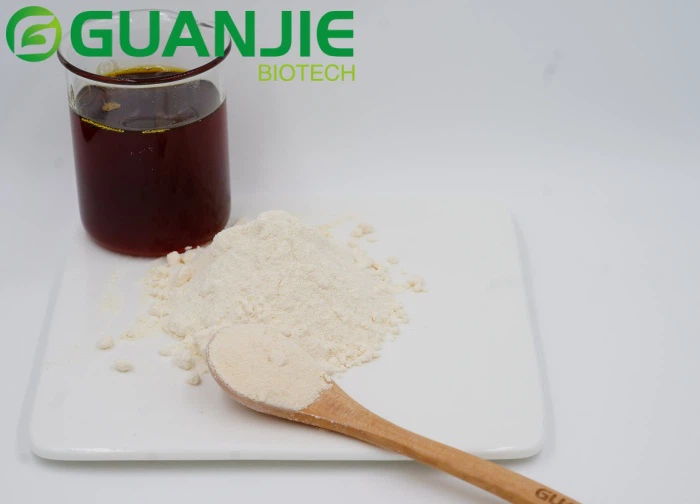
Phosphatidylserine in powdered form is typically more stable than its liquid counterpart. Powders are less prone to oxidation and degradation because they contain less moisture, which is a key factor in the degradation of phospholipids. The powdered form of PS is commonly used in dietary supplements because it is easier to store and has a longer shelf life when compared to liquid forms.
The shelf life of powdered phosphatidylserine can range from 2 to 3 years when stored in optimal conditions. If exposed to moisture or heat, however, the powder can degrade more quickly.
Liquid Phosphatidylserine
Phosphatidylserine liquid form is more sensitive to environmental factors like light, oxygen, and temperature. Phosphatidylserine oil may have a shorter shelf life (typically 1 to 2 years) compared to powdered forms. It is important to store liquid phosphatidylserine in dark, airtight containers and keep it in a cool environment to preserve its potency.
Liquid bulk phosphatidylserine may undergo oxidation or hydrolysis more rapidly than its powdered counterpart. This can lead to the breakdown of the phospholipid, reducing its effectiveness.
Phosphatidylserine Derived from Soy vs. Sunflower
The source of bulk phosphatidylserine can also impact its stability. Phosphatidylserine derived from soybeans is the most common source in supplements, but some consumers prefer sunflower-derived PS due to concerns about soy allergies. Both sources are generally stable under similar conditions, but the extraction methods and final formulations may vary slightly, which could impact the stability of the product.
Stability of Phosphatidylserine in the Body
Once consumed, the duration for which bulk phosphatidylserine remains effective in the body is an important consideration for its efficacy as a supplement. Phosphatidylserine is absorbed through the digestive system and incorporated into cell membranes, particularly in the brain. However, like most dietary supplements, the effects of PS are not permanent, and its concentration in the body will eventually decline over time.
Half-Life of Phosphatidylserine in the Body
The half-life of phosphatidylserine in the body refers to the time it takes for half of the ingested dose to be cleared from the system. Research on the pharmacokinetics of PS is still evolving, but studies suggest that phosphatidylserine is rapidly absorbed and incorporated into cell membranes. Its effects on cognitive function, however, may last for hours to days, depending on the individual's metabolism and the dosage used.
PS supplementation may help maintain brain function over an extended period, but its effects will diminish once the bulk phosphatidylserine levels in the brain decrease. This is why regular supplementation is often recommended for those seeking cognitive benefits.
Metabolism and Clearance of Phosphatidylserine
Phosphatidylserine is metabolized by enzymes in the liver, which break it down into smaller components. The body can recycle some of these components to produce new phospholipids, while the rest is excreted in the urine. Bulk Phosphatidylserine itself does not have a long retention time in the body, which is why continuous intake is required to maintain its effects.
Factors Influencing the Longevity of Phosphatidylserine
Several factors can influence how long bulk phosphatidylserine remains effective, both in terms of its shelf life in supplements and its duration of action in the body. These include:
Storage and Packaging:
Proper storage and packaging are essential for maximizing the shelf life of PS supplements. Airtight, opaque containers stored in cool, dry conditions will help preserve the supplement's potency.
Formulation:
The form of bulk phosphatidylserine can influence how long it lasts. Powdered supplements tend to be more stable than liquid forms, which are more prone to oxidation.
Dosage and Frequency of Use:
The dosage of PS and the frequency at which it is taken can affect how long its cognitive-enhancing effects last. Consistent supplementation over time is typically required to see sustained benefits.
Body's Metabolism:
Individuals with faster metabolism may clear phosphatidylserine from their system more quickly, potentially reducing its duration of effect. Conversely, those with slower metabolism may retain PS for a longer period, leading to prolonged effects.
Phosphatidylserine is a valuable supplement for supporting cognitive function, and its stability plays a key role in its effectiveness. The shelf life of phosphatidylserine supplements depends on factors such as packaging, storage conditions, and the form of PS used. Proper storage in cool, dry, and dark conditions can extend the shelf life of PS supplements to 2-3 years for powders and 1-2 years for liquids.
Once ingested, bulk phosphatidylserine is absorbed into the body, where it provides benefits to brain function. However, the effects of PS are temporary, and regular supplementation is necessary for long-term cognitive support.
Understanding how long bulk phosphatidylserine lasts and the factors that affect its stability can help individuals make informed decisions when choosing a supplement and ensure they get the most benefit from their phosphatidylserine intake. Guanjie Biotech is a bulk phosphatidylserine supplier. Our product pass HALAL,HACCP,ISO9001,KOSHER and others. Welcome to enquiry at info@gybiotech.com.