Natural garlic extract is gaining increasing attention in pet food, pet health products, and functional snacks. However, discussions about garlic as an ingredient in the market have long been divided: on the one hand, garlic is considered to have potential value in areas such as immune support, intestinal regulation, and natural deworming. On the other hand, garlic is also listed as a "raw material to be used with caution" in some pet toxicology materials. Therefore, for clients in the pet industry, a core question remains: Is garlic extract safe for dogs? This question requires a nuanced approach.
Is Garlic Extract Safe For Dogs?
The safety of natural garlic extract for dogs depends on the extraction method and dosage. Different processing methods produce different toxicity profiles.
Safety Differences of Garlic Extracts for Dogs

• Crude Garlic Products:
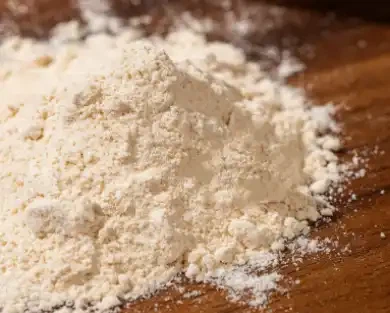
Crude garlic powder and room-temperature pressed garlic extract undergo simple processing. These methods mainly involve dehydration, grinding, and basic extraction. Thiosulfate is not specifically removed during production. In vitro studies showed that dried crude garlic products have a stronger hemolytic effect on canine red blood cells than fresh garlic. Processing of natural garlic extract may increase the reactivity of harmful compounds. In 2000, Hokkaido University conducted an animal study. Dogs received crude garlic extract for seven consecutive days at 1.25 ml/kg body weight. The results showed microscopic oxidative damage to canine red blood cells. Long-term intake may cause anemia. Therefore, crude garlic products are not recommended for use in pet dog food or supplements.
• Aged Garlic Extract (AGE):
Aged garlic extract uses a low-temperature and light-protected maturation process. The raw material undergoes controlled biotransformation. Thiosulfate is largely degraded during processing. The extract retains stable, water-soluble sulfur compounds. This type is considered one of the safest garlic extracts used in the pet industry. Experimental data published in veterinary journals, including PMC and Frontiers, support its safety. In one study, healthy beagles received aged garlic extract daily at 90 mg/kg body weight for 12 weeks. No abnormalities were found in blood parameters, liver function, kidney function, or red blood cell counts. No hemolytic anemia or toxic reactions were observed. This process may also activate the Nrf2 antioxidant signaling pathway. Natural garlic extract can increase the expression of antioxidant enzymes in dogs. Therefore, aged garlic extract may be used safely in canine products when used appropriately.

• High-Purity Allicin Extract:
High-purity allicin extract is produced through solvent extraction and chromatographic purification. The active compounds are highly concentrated. Strict dosage control is necessary. At low doses, natural garlic extract may provide antibacterial, anti-inflammatory, and gut microbiota-regulating benefits. Excess intake can irritate the canine digestive system. Common symptoms include vomiting and loose stools. These extracts are mainly used in veterinary drugs and premium pet supplements. They are less commonly added to regular pet food.
What are the safety standards of Garlic Extract in the Pet?
In the pet food and pet healthcare industry, natural garlic extract must comply with strict safety regulations. This helps protect dog health and ensures safe product use. The standards can be explained from three aspects: dosage, suitable animals, and production requirements.
• Safe Dosage
According to veterinary studies and industry standards, the amount of garlic extract must be carefully controlled based on the dog's body weight. For aged garlic extract, the recommended daily health dosage is 45–90 mg per kilogram of body weight. Long-term use within this range has not shown significant adverse effects and demonstrates a good safety profile.
For short-term functional use, the daily dosage should not exceed 100 mg per kilogram of body weight. Crude or unrefined natural garlic extract powder products do not have established safety data. Therefore, they should not be added to pet food. In addition, high-purity allicin extract should not exceed 0.02% of the total feed weight. Excessive amounts may irritate the gastrointestinal tract.
• Suitable Dogs and Restricted Conditions
Healthy adult dogs and senior dogs may use refined garlic extract when it follows regulatory standards. However, the following groups should avoid its use: puppies, pregnant dogs, and dogs with anemia, liver disease, or kidney disease.
These animals are more sensitive and may have weaker red blood cell metabolism. They may face a higher risk of oxidative stress. Natural garlic extract may increase the risk of adverse effects, including hemolysis.
Pure garlic extract should also not be used together with other Allium plants, such as onions or leeks. Combining these ingredients may increase sulfide accumulation in the body and raise the risk of toxicity.
• Industry Additive Standards
Pet food manufacturers should avoid using fresh garlic or crude garlic powder directly. Detoxified and aged garlic extracts are preferred. Product labels should clearly state the processing method and active ingredient content. Vague descriptions such as "garlic ingredient" should be avoided.
Finished products should undergo testing before entering the market. Testing should include heavy metals, harmful residues, and toxic substances. Natural garlic extract powder should only be sold after confirming compliance with national pet food safety standards.
What Is Garlic Extract Used For Dogs?
Natural garlic extract has several applications in the pet industry. These applications exist in the international market. Although controversial, there are still use cases. Here are the main areas:

in natural gut support products.
Natural garlic extract contains active substances that may affect the gut microbiome of pets. Some studies indicate that garlic extract may have antibacterial effects. It may also help regulate the gut microbiome and support digestive function. Some companies add small doses of garlic extract bulk to pet prebiotic blends.
in immune support products.
Garlic extract powder contains organosulfur compounds, flavonoids, and trace minerals. Studies suggest that some components may participate in immune regulation. Therefore, some pet nutritional supplements explore the use of garlic extract.
for natural odor management.
Some pet products use natural garlic extract as a functional excipient to manage the odor of pet feces. It is also used to improve metabolism-related odors.
in natural deworming aids.
In overseas markets, some products use garlic as an ingredient in natural deworming formulas. However, the evidence for these applications is limited. Natural garlic extract can only be used as an adjunct function. It cannot replace a regular deworming regimen.
In general, the application of natural garlic extract in the pet industry mainly focuses on four aspects: intestinal support, immune support, odor management, and deworming assistance. These applications have been explored to some extent, but their efficacy and safety still require further research to confirm. Dosage must be carefully monitored during use. One should not blindly rely on the functions of bulk garlic extract. Especially for deworming, proven deworming medications should be used first.
Guanjie Biotech specializes in bulk garlic extract powder. The company focuses on natural plant extraction and raw material production for the pet industry. We have a mature processing system that employs low-temperature maturation and precise purification to remove toxic substances such as thiosulfates while retaining stable sulfur-containing compounds. Our natural garlic extract products are compatible with canine physiological metabolism. The company has established a full-process quality control system, including raw material selection, production extraction, purification, and finished product testing. Each batch of natural garlic extract product undergoes toxicity, purity, and impurity testing, and compliant testing reports are issued.
Conclusion:
In summary, crude garlic products are toxic to dogs and should not be used. Refined, detoxified, and aged garlic extracts may provide functional nutritional benefits and can be safe for dogs when used at appropriate dosages. Pet industry companies should avoid one-sided assumptions. Raw material safety should be evaluated based on processing technology, testing data, and dosage standards. Blindly banning or misusing garlic-based ingredients should be avoided.
Industry natural garlic extract purchasers should prioritize large-scale and reputable suppliers with purification and detoxification capabilities. They should verify raw material testing reports and confirm thiosulfate residue levels. Formulation developers should strictly control dosage levels and avoid use in unsuitable canine applications. The industry should also continue improving pure garlic extract application standards to support the standardized and safe use of natural plant ingredients in pet products.
References:
[1] Lin Fei, Liang Yi, Lü Lian, et al. Long-term toxicity study of selenium-enriched garlic in dogs after 12 weeks of continuous oral administration [J]. Carcinogenesis, Teratogenesis & Mutagenesis, 2008(03).
[2] Yamato O, et al. Heinz body hemolytic anemia with eccentrocytosis from ingestion of Chinese chive (Allium tuberosum) and garlic (Allium sativum) in a dog[J]. Journal of the American Animal Hospital Association, 2005, 41(1).
[3] Lee KW, Yamato O, Tajima M, et al. Hematologic changes associated with the appearance of eccentrocytes after intragastric administration of garlic extract to dogs[J]. American Journal of Veterinary Research, 2000, 61(11): 1446-1450.
[4] Takahashi K, Nango H, Ushijima M, et al. Therapeutic effect of aged garlic extract on gingivitis in dogs[J]. Frontiers in Veterinary Science, 2023, 10: 1277272.
[5] Lee KW, et al. Safety and efficacy of aged garlic extract in dogs: upregulation of the nuclear factor erythroid 2-related factor 2 (Nrf2) signaling pathway and Nrf2-regulated phase II antioxidant enzymes[J]. PubMed, 2018.
[6] Martins da Silva AU. Benefits versus toxicities of garlic (Allium sativum) in dogs: Review[J]. Pubvet, 2025, 19(03).
[7] Gwaltney-Brant SM. Allium spp Toxicosis in Animals[DB/OL]. Merck Veterinary Manual, 2021.