Natural ginger extract is a natural plant-based functional ingredient. Its application in personal care products is transitioning from traditional experience to modern evidence-based medicine. In today's hair care market, where natural, green, and functional products are the main themes, ginger extract has become a frequently used ingredient in shampoos, scalp serums, and anti-hair loss formulas.
Why Is Ginger Extract Good For Hair?
The hair-care benefits of natural ginger extract come from the combined effects of multiple active ingredients. It does not rely on a single compound. For precise formulation design, its key components can be divided into three categories. Each category works through a different physiological mechanism.
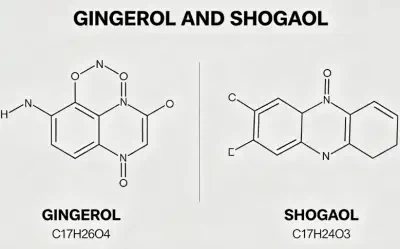
• Gingerol and Shogaol
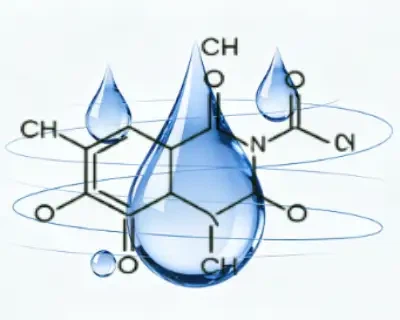
The first category includes gingerol and shogaol. These compounds mainly help regulate microcirculation. Gingerol is the main source of ginger's pungent taste, and 6-gingerol is the most abundant form. High concentrations of 6-gingerol may inhibit hair follicle growth. However, at low doses and in specific formulations, gingerol can activate the TRPV1 receptor pathway. This creates a local warming effect and promotes scalp capillary dilation. Natural ginger extract may improve scalp microcirculation and increase oxygen supply to hair follicle stem cells. Therefore, ginger extract may help improve nutritional hair loss related to scalp tightness or poor blood circulation.
• Sesquiterpenes and Volatile Oils
The second category includes sesquiterpenes and volatile oils. These compounds have natural anti-inflammatory and antibacterial properties. Ginger volatile oil contains gingerene and curcumin. These compounds show broad-spectrum antibacterial activity. In cases of seborrheic dermatitis and dandruff, volatile oils may help inhibit the overgrowth of Malassezia. They may also reduce inflammatory factors on the scalp, such as IL-6 and TNF-α. This helps reduce inflammation-related hair follicle damage.
• Amino Acids and Trace Elements
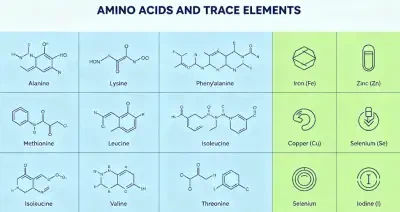
The third category includes amino acids and trace elements. These components provide nutritional support for hair follicles. Hair follicles in the growth phase have high metabolic activity and need sufficient nutrients. Natural ginger extract contains various amino acids, vitamins, and trace elements such as zinc and magnesium. These nutrients may support hair growth and help repair damaged hair cuticles.
What Are the Benefits of Ginger Extract for Hair?
High-quality ginger extract, which is processed to reduce or balance high levels of 6-gingerol, may provide positive effects for the scalp and hair in four key areas:
Scalp Microbiome Balance and Dandruff Relief
Traditional anti-dandruff ingredients, such as ketoconazole and ZPT (zinc pyrithione, which is banned in the EU), work quickly. However, long-term use may cause local irritation and resistance. Natural ginger extract can be used as a natural complementary ingredient.
Studies show that standardized gingerol extracts can disrupt the cell walls of Gram-positive bacteria and Malassezia. This helps reduce the growth of harmful microorganisms on the scalp. This mechanism may improve oily scalp conditions, reduce dandruff, and relieve scalp itching.
Sebum Control and Regulation
Excessive sebum production is a major cause of abnormal hair follicle keratinization, follicle blockage, and hair loss.
The active compounds in natural ginger extract, especially gingerols, may help regulate sebaceous gland activity. Unlike sulfate surfactants that strongly remove oil, ginger extract works more gently. It may reduce excess sebum while maintaining the scalp's protective acidic barrier. This helps control oil without causing dryness or scalp tightness.
Supportive Care for Inflammatory Hair Loss
Inflammation is involved in conditions such as alopecia areata and androgenetic alopecia. Ginger extract may provide supportive benefits through two mechanisms. It may inhibit the NF-κB inflammatory pathway and reduce oxidative stress.
Combining gingerol with fermented ginger filtrate may create a synergistic effect. It may reduce inflammatory factors around hair follicles and protect dermal papilla cells from oxidative damage. This may help delay the transition from the anagen (growth) phase to the catagen (regression) phase. However, natural ginger extract should be considered supportive care only. It cannot replace standard treatments for androgenetic alopecia.
Gentle Care Through Fermentation Technology
Traditional ginger extract powder may irritate because of high levels of 6-gingerol. Fermentation with lactic acid bacteria can improve their properties.
Fermentation can convert irritating gingerols into gentler derivatives. Natural ginger extract can also break down larger molecules into smaller peptides and amino acids, which may improve absorption. In addition, fermented filtrates contain organic acids and bacteriocins that may help strengthen the scalp barrier. This approach is suitable for hair care products designed for sensitive scalps.
What Is Ginger Extract Used For In Hair Field?
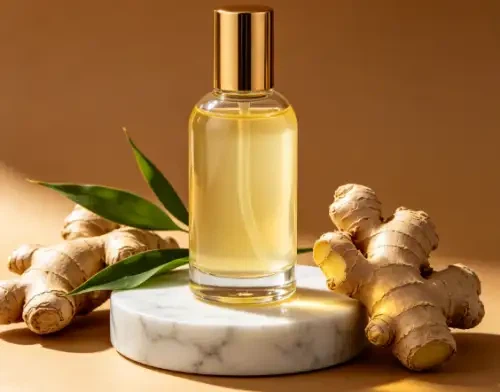
In the modern hair care market, natural ginger extract is used in many types of products. Its applications continue to expand. Anti-hair loss shampoos are among the most common products containing this ingredient. They are often combined with active ingredients such as caffeine and biotin for daily scalp care.
In addition, high-concentration ginger scalp serums provide more targeted scalp support by increasing the amount of active ingredients. Hair growth sprays also use ginger extract as a key ingredient in plant-based formulas.
In hair masks, natural ginger extract is mainly added to strengthen the product's scalp care positioning. For scalp keratin metabolism concerns, some exfoliating products combine ginger extract with ingredients such as fruit acids and salicylic acid.
At the same time, consumer demand for clean-label and natural products continues to rise. As a result, solid shampoos have also started to include pure ginger extract as a functional ingredient. Overall, as consumers pay more attention to natural and functional ingredients, the use of ginger extract in high-end hair care products continues to grow.
Conclusion:
Natural ginger extract is a versatile and valuable natural ingredient in modern hair care science. Its value should not be simply reduced to "anti-hair loss" or "useless." For consumers, a full understanding of its precise efficacy in improving microcirculation, anti-oxidation, and anti-inflammation, and regulating sebum is crucial.
Guanjie Biotech is committed to providing standardized, highly active ginger extract to customers in over 100 countries worldwide. Through rigorous scientific research and strict quality natural ginger extract control, we transform traditional Chinese medicine wisdom into stable, safe, and quantifiable industrial raw materials, helping our clients develop truly effective scalp care solutions.
References:
[1] Science Popularization in China. (2023). Can washing hair with ginger bring "dead wood back to life"? Scientific Deconstruction of the Truth Behind Anti-Hair Loss Rumors.
[2] Hair Care Composition with Oil Control and Dandruff Removal Effects and Its Preparation Method and Application. Chinese Patent. CN112294669A.
[3] Xu Jing, Liu Dandan, Zhang Rongwen, et al. Extraction of 6-gingerol from ginger and preparation of ginger juice anti-dandruff shampoo[J]. Applied Chemical Industry, 2011, 40(10): 1812-1815.
[4] Pan Danyang, Zhou Zhenlin, Li Shujuan, et al. Discussion on the network pharmacological mechanism of ginger volatile oil components in improving hair loss symptoms[J]. Journal of Guangdong Light Industry Vocational and Technical College, 2022, 21(4): 7-15.
[5] Liu Li, Zhu Haixia, Chen Yinghong, et al. Effect of ginger on hair growth in C57 mice[J]. Journal of Liaoning University of Traditional Chinese Medicine, 2013, 15(7): 42-44.
[6] Gingerol Detection Technology System. China Institute of Analysis.
[7] Li T, Zhang G, Zhou X, et al. Cedrol in ginger (Zingiber officinale) as a promising hair growth drug: The effects of oral and external administration on hair regeneration and its mechanism[J]. Bioorganic Chemistry, 2024, 151: 107709.
[8] Hao Y, Yang Q, Zhang H, et al. Ginger-Derived Extracellular Vesicles: A Natural Solution for Alopecia[J]. Current Drug Delivery, 2024.
[9] Miao Y, Sun Y, Wang W, et al. 6-Gingerol Inhibits Hair Shaft Growth in Cultured Human Hair Follicles and Modulates Hair Growth in Mice[J]. PLoS One, 2013, 8(2): e57226.
[10]Škulj A Z, Poljšak N, Kočevar Glavač N, et al. Herbal preparations for the treatment of hair loss[J]. Archives of Dermatological Research, 2020, 312(6): 395-406.