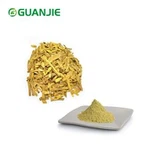
Pure lecithin is a vital phospholipid that plays a significant role in various biological and industrial processes. In its simplest form, lecithin is composed of a blend of phospholipids, including phosphatidylcholine, phosphatidylethanolamine, phosphatidylserine, and other minor phospholipids. Bulk lecithin is naturally present in many food sources, such as soybeans, eggs, and sunflower seeds, and is often extracted for use in food, pharmaceutical, and cosmetic products. Lecithin's versatile nature, due to its amphiphilic (both water-loving and fat-loving) properties, allows it to serve multiple functions in both living organisms and industrial applications.

What Is Lecithin?
Lecithin is primarily made up of phospholipids, which are a type of lipid molecule containing both hydrophilic (water-loving) and hydrophobic (fat-loving) components. This amphipathic nature allows phospholipids to play an essential role in forming cell membranes. The most prevalent phospholipid in lecithin is phosphatidylcholine, but it also contains other phospholipids such as phosphatidylethanolamine and phosphatidylserine in varying proportions.
●Phosphatidylcholine (PC):
The primary component of pure lecithin, phosphatidylcholine, consists of a glycerol backbone, two fatty acid chains (hydrophobic), and a phosphate group (hydrophilic) attached to a choline molecule. This makes it essential in forming the lipid bilayer of cell membranes.
●Phosphatidylethanolamine (PE):
Phosphatidylethanolamine, another significant phospholipid in lecithin, contains an ethanolamine group instead of choline. It plays a crucial role in cell membrane stability and function.
●Phosphatidylserine (PS):
Found in lesser amounts in lecithin, phosphatidylserine is essential for brain function, signal transduction, and membrane fluidity.
These components, along with others like phosphatidylinositol, contribute to the unique characteristics of pure lecithin, making it suitable for various functions in biological systems and industrial applications.
Biological Role of Lecithin
Lecithin's presence and function in biological systems are multifaceted. As a major component of cell membranes, pure lecithin plays a central role in maintaining the structural integrity and function of cells. The amphipathic properties of phospholipids, which make up lecithin, allow them to form bilayers that act as barriers to ions, water, and other molecules. The fluidity of these membranes is vital for cellular processes like signaling, nutrient transport, and cell division.

Cell Membrane Structure and Function
Pure Lecithin's ability to form lipid bilayers makes it essential for the structure of biological membranes. The amphipathic nature of phospholipids, where the hydrophilic heads face outward towards the aqueous environment and the hydrophobic tails face inward, creates a semipermeable barrier that is critical for cellular function. This lipid bilayer provides a stable yet flexible structure for the cell membrane, which is essential for the cell's integrity, communication, and nutrient exchange.
Fat Metabolism
Lecithin plays an essential role in fat metabolism by emulsifying fats in the digestive system. Phospholipids in pure lecithin help break down large fat molecules into smaller droplets, making it easier for enzymes to act on the fat for digestion and absorption. This emulsifying property also aids in the transport of fat-soluble vitamins (A, D, E, and K) through the body.
Liver Health
Lecithin has been shown to support liver health by aiding in the metabolism of fats. It helps prevent the accumulation of fat in the liver, which can lead to conditions such as fatty liver disease. Pure lecithin assists in the transport of lipids out of liver cells, helping to maintain healthy liver function.
Neurological Function
Lecithin, particularly phosphatidylcholine, is a precursor to acetylcholine, a neurotransmitter that plays a key role in memory, learning, and muscle control. Adequate levels of lecithin in the body are thought to support cognitive function and may help in the prevention or management of neurological conditions like Alzheimer's disease.
Digestive Health
Pure Lecithin is known to aid in digestion by promoting the emulsification of fats. This process makes fats more digestible and absorbable, preventing issues such as bloating and indigestion. Lecithin can also help protect the digestive tract by maintaining the integrity of the gut lining.
Lecithin Extraction Methods
Pure Lecithin can be obtained from various natural sources, with soybeans, sunflower seeds, eggs, and canola being the most common. The extraction process varies depending on the source and the intended application.And Guanjie Biotech is a bulk lecithin supplier. We have soy lecithin, sunflower lecithin and egg yolk lecithin.
Soy Lecithin Extraction
The most common source of lecithin is soybeans. Pure Soy lecithin is typically extracted through a process of solvent extraction followed by degumming. In solvent extraction, hexane or other solvents are used to separate the oil from the soybean, and pure soy lecithin is then isolated through water-based processes that remove the impurities. The lecithin is then further processed to achieve the desired purity and functionality. Guanjie Biotech has soy lecithin powder and liquid.

Sunflower Lecithin Extraction
Pure sunflower lecithin is becoming increasingly popular due to its non-GMO status. The natural sunflower lecithin extraction process is similar to soy lecithin, involving pressing or solvent extraction of sunflower seeds followed by degumming and further purification steps.
Egg Lecithin
Egg yolks are a rich source of Pure lecithin, particularly phosphatidylcholine. The extraction process typically involves a heat-based method where the lecithin is separated from the egg yolk and purified. However, egg yolk lecithin powder is less commonly used in industrial applications due to the potential for allergenic reactions and the higher cost compared to soy or sunflower lecithin.
Applications of Lecithin in Industry
Lecithin's unique properties make it a valuable ingredient in many industries, including food, pharmaceuticals, cosmetics, and even agriculture. Its ability to emulsify, stabilize, and improve texture makes it a preferred additive in various products.
Food Industry
Pure Lecithin is widely used as an emulsifier in the food industry, where it helps mix ingredients that would otherwise separate, such as oil and water. It is commonly found in products like chocolate, margarine, salad dressings, baked goods, and ice cream. Its emulsifying properties help improve texture, shelf life, and overall product stability. Lecithin is also used as a stabilizer in beverages, such as smoothies and shakes, to prevent separation of ingredients.
Pharmaceutical Industry
In pharmaceuticals, Pure lecithin is used as an emulsifier in drug formulations, including oral medications, creams, and ointments. It helps improve the bioavailability of drugs by enhancing the solubility of fat-soluble compounds. Lecithin also serves as a carrier in liposomal drug delivery systems, where it helps encapsulate and deliver drugs more efficiently to the target site.
Cosmetic and Personal Care
In the cosmetic industry, lecithin is used as an emulsifier and skin-conditioning agent in products like moisturizers, lotions, and creams. Its ability to form stable emulsions helps create smooth, spreadable textures and improves the stability of cosmetic formulations. Lecithin is also known for its moisturizing properties, helping to retain moisture in the skin.
Animal Feed and Agriculture
Pure Lecithin is used in animal feed as a supplement to improve the nutritional content of the feed. It is rich in essential fatty acids and choline, both of which are vital for animal health. Pure lecithin granules are also employed in plant-based agriculture to enhance the growth and yield of crops by improving nutrient uptake and water retention.
Nutraceuticals and Dietary Supplements
Pure Lecithin is often included in dietary supplements, particularly those targeting brain health, liver health, and cardiovascular health. Lecithin's role in supporting healthy cholesterol levels, improving liver function, and enhancing cognitive function makes it a popular ingredient in supplements. It is also available in standalone supplements, often in the form of capsules or powders.
Lecithin is a phospholipid with wide-ranging applications in both biological and industrial contexts. Its unique structure, composed of hydrophilic and hydrophobic components, allows it to play critical roles in cell membrane integrity, fat metabolism, liver health, and cognitive function. Lecithin's applications in the food, pharmaceutical, cosmetic, and agricultural industries further demonstrate its versatility and importance.
Guanjie Biotech's bulk lecithin with stringent quality control ensures a reliable supply and consistent Pure lecithin products. Welcome to enquire at info@gybiotech.com.