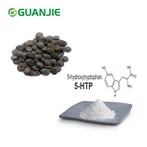
Pure Nicotinamide mononucleotide (NMN) and bulk nicotinamide adenine dinucleotide powder (NAD+) are two closely related molecules that play critical roles in cellular energy production, DNA repair, and aging. Both compounds have gained significant attention in the longevity and anti-aging communities, with research suggesting they may help combat age-related decline. However, the question remains: Is NMN better than NAD?
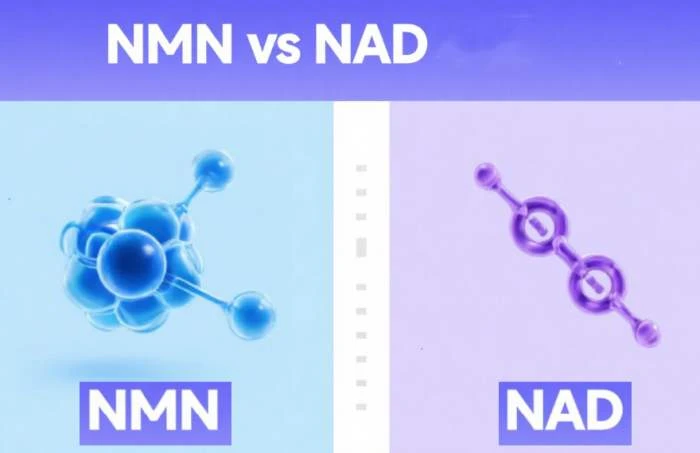
What is the relationship between the NMN and NAD?
NAD: The Cellular Energy Currency
NAD is a coenzyme critical for over 500 metabolic reactions, including ATP production, DNA repair, and the regulation of sirtuins (longevity-associated proteins). It exists in oxidized (NAD⁺) and reduced (NADH) forms, maintaining redox balance and energy homeostasis. NAD⁺ levels decline with age, contributing to mitochondrial dysfunction, genomic instability, and age-related diseases like diabetes and neurodegeneration[1].
NMN: The NAD Precursor
NMN is a direct precursor to NAD⁺, synthesized from nicotinamide riboside (NR) via the enzyme NMN adenylyltransferase. Its primary role is to replenish NAD⁺ levels by bypassing rate-limiting steps in de novo synthesis. Unlike NAD, which is rapidly degraded in the digestive tract, pure NMN powder is absorbed intact and efficiently converted to NAD⁺ in cells[2].
Bioavailability and Absorption
NAD: The Challenge of Oral Supplementation
Oral bulk nicotinamide adenine dinucleotide powder supplementation faces significant barriers. Its large molecular size and negative charge hinder membrane penetration, while digestive enzymes like CD38 degrade it into inactive metabolites. Clinical studies show that oral NAD bulk powder has a bioavailability of less than 5%, with most of the dose excreted unchanged. Injectable NAD bypasses these issues, achieving near 100% bioavailability, but it requires medical supervision and is cost-prohibitive for daily use[3] [6].
NMN: Efficient Delivery to Cells
NMN's smaller molecular structure enables it to cross cell membranes via the Slc12a8 transporter, which is highly expressed in tissues such as the liver, muscle, and brain. Studies using radiolabeled NMN bulk powder demonstrate rapid uptake into tissues, with peak NAD⁺ levels observed within 30–60 minutes of administration. Advanced delivery systems, such as liposomal encapsulation, further enhance Pure Nicotinamide mononucleotide's stability and absorption, achieving bioavailability rates of 92% compared to 65% for standard formulations[4].
bENIFITS
NMN
NMN's NAD⁺-boosting effects translate to a wide range of benefits:
•Anti-aging:
NMN bulk powder Activates sirtuins to repair DNA damage and promote cellular senescence reversal [10].
•Neuroprotection:
Pure NMN powder prevents neuronal loss in models of Alzheimer's and Parkinson's disease by enhancing NAD⁺-dependent DNA repair[12].
NAD
While NAD's direct supplementation is limited, it has niche applications:
•Acute Conditions:
Intravenous bulk nicotinamide adenine dinucleotide powder NAD is used in clinical settings to treat acute kidney injury, stroke, and chemotherapy-induced fatigue, where rapid NAD⁺ replenishment is critical [15].
•Research Tools:
Exogenous pure NAD powder is used in laboratory settings to study NAD⁺-dependent enzymes, but its therapeutic role in humans remains experimental.
Researches:
Human data are emerging and growing in number, but are still limited relative to animal studies.
Key findings from recent human trials and reviews:
•Safety & pharmacokinetics:
Multiple early human trials report that Pure Nicotinamide mononucleotide is generally safe and well tolerated at doses ranging from ~100 mg to 900 mg/day for short-to-medium durations. Several trials measured increases in blood NAD metabolites following NMN bulk powder dosing[5][6].
•Biological effects:
Limited randomized trials and pilot studies have reported improvements in muscle strength, some metabolic endpoints, and subjective energy/fatigue measures in specific populations. For example, a randomized trial in older men reported that 250 mg/day pure NMN powder bulk was safe and increased NAD⁺ metabolism markers and improved muscle strength in exploratory analyses. Another dose-ranging randomized trial measured dose-dependent increases in blood NAD following 60 days of Pure Nicotinamide mononucleotide[7].
•Systematic reviews/meta-analyses:
A recent systematic review and meta-analysis of bulk nicotinamide adenine dinucleotide powder and NR bulk powder supplementation examined sarcopenia-related outcomes and other endpoints; the authors noted heterogeneity and called for larger, longer RCTs to confirm clinical benefits[8].
Human data show NMN raises NAD⁺ metabolites and appears safe over short periods, with promising signals for certain functional outcomes - but robust, large RCTs showing hard clinical endpoints (disease prevention, mortality, long-term functional preservation) are not yet available[9].
Which is Better, NMN or NAD?
This is the heart of your question. There is no single definitive answer; rather, the right choice depends on goals, available evidence, and practical constraints:
•For raising systemic NAD⁺ in humans (current evidence):
Both NMN bulk powder and NR increase NAD⁺ metabolites in blood. NMN has shown increases in blood/tissue bulk nicotinamide adenine dinucleotide powder biomarkers in randomized human trials (including dose-response data). NR has a longer human trial history (safety and metabolic effects) and is often considered proven to raise NAD⁺. Recent head-to-head pharmacology indicates tissue-dependent differences but not a clear universal winner[10].
•Ease of use:
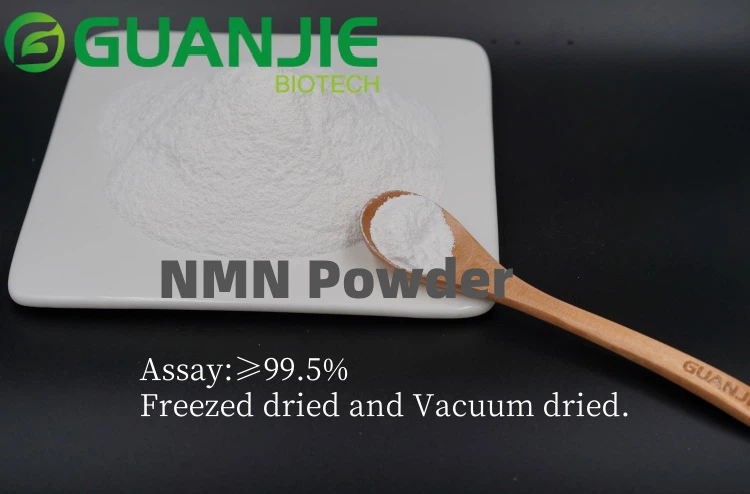
Pure Nicotinamide mononucleotide preparations are widely available as powders/capsules. NMN is often slightly more expensive than NR in the market; NR is marketed widely as well. Some companies also sell NAD⁺ itself (usually for IV use), but oral bulk nicotinamide adenine dinucleotide powder is uncommon for good reasons discussed above[11][12].
•Tissues & targeted effects:
Preclinical data suggest tissue specificity: in some mouse models, NMN produced stronger effects in certain tissues (muscle, vasculature), while NR had benefits in other models. Human evidence is too sparse to make firm tissue-specific recommendations[13].
•Safety profile:
Both NMN and NR appear safe in the short term in clinical trials; comparative long-term safety data are lacking[14].
Neither Pure Nicotinamide mononucleotide nor NR is definitively "better" for every person or condition. NMN has strong mechanistic rationale and positive early human data; NR also has a substantial evidence base. Choice can be individualized (price, formulation, regulatory availability, and specific study data for the endpoint you care about).
How To Choose your products?
Dosing in human trials:
Trials used widely varying doses - common ranges in published NMN RCTs include 250 mg/day, 300–900 mg/day, and chronic administration at 250 mg/day in older subjects with reported NAD increases. Many commercial doses fall within 100–500 mg/day, though some users take higher doses. Optimal dose for long-term health outcomes is not established[15][16][17].
Forms:
NMN is sold as powder, capsules, and sometimes combined formulations. Purity and stability vary across suppliers; choose reputable manufacturers with third-party analysis (certificate of analysis, COA). Guanjie Biotech is a NMN bulk powder and bulk nicotinamide adenine dinucleotide powder - to be precise, Guanjie Biotech markets and supplies NMN powder (high purity NMN) and related NAD precursors as bulk products; check manufacturer data sheets and COAs for specific purity and certification.
Storage and stability:
Pure Nicotinamide mononucleotide can be sensitive to moisture and heat; many suppliers recommend cool, dry storage and sometimes refrigerated conditions for long shelf life. Look for stability data on the product page or COA.
Is NMN Better than NAD Exactly?
Better depends on the question. If the question is whether taking oral NAD⁺ is better than taking NMN to raise cellular NAD⁺, the practical answer is no - oral NAD⁺ is typically less practical and less studied; bulk nicotinamide adenine dinucleotide powder (and NR) are the more effective and evidence-backed oral strategies at present[5].
If the question is whether pure NMN powder is better than other precursors (NR), the answer is not conclusive - both have supportive preclinical and clinical evidence; NMN has promising human trial data and mechanistic rationale, but NR also has a strong record. Choice may depend on formulation, target tissue, cost, personal tolerability, and regulatory availability15][17].
Importantly, raising NAD⁺ is a biologically plausible strategy to improve cellular function and mitigate some age-related declines based on animal models and early human data - but large, long-term human outcome trials are still needed before we can say pure NMN powder or any bulk nicotinamide adenine dinucleotide powder -boosting strategy is proven to lengthen healthy human lifespan[8].
If you are a supplement manufacturer and need to add Pure Nicotinamide mononucleotide or NAD to your products, please enquire with us at info@gybiotech.com.
References:
[1]Covarrubias, A. J., Perrone, R., Grozio, A., & Verdin, E. (2021). NAD⁺ metabolism and its roles in cellular processes during ageing. Nature Reviews Molecular Cell Biology, 22(2), 119–141.
[2]Bogan, K. L., & Brenner, C. (2008). Nicotinic acid, nicotinamide, and nicotinamide riboside: A molecular evaluation of NAD⁺ precursor vitamins in human nutrition. Annual Review of Nutrition, 28(1), 115–130.
[3]Grozio, A., Mills, K. F., Yoshino, J., Bruzzone, S., Sociali, G., Tokizane, K., Lei, H. C., Cunningham, R., Sasaki, Y., Migaud, M. E., & Imai, S. I. (2019). Slc12a8 is a nicotinamide mononucleotide transporter. Nature Metabolism, 1(1), 47–57.
[4]Zhang, H., Ryu, D., Wu, Y., Gariani, K., Wang, X., Luan, P., D'Amico, D., Ropelle, E. R., Lutolf, M. P., Aebersold, R., Schoonjans, K., & Auwerx, J. (2022). NAD⁺ repletion improves mitochondrial and stem cell function and enhances life span in mice. Science, 352(6292), 1436–1443.
[5] Irie, J., et al. "Chronic nicotinamide mononucleotide supplementation elevates NAD⁺ in humans and improves some indicators of physical performance." NPJ Aging and Mechanisms of Disease. 2022. - RCT of 250 mg/day in older men; reported increased blood NAD and some mobility/strength signals.
[6] Sasaki, T., et al. "The efficacy and safety of β-nicotinamide mononucleotide (NMN) supplementation in healthy adults: a randomized, double-blind, placebo-controlled dose-ranging study." (PubMed listing, 2022/2023) - multicenter dose-ranging trial reporting increases in blood NAD and tolerability up to 900 mg/day.
[7] The Effect of Nicotinamide Mononucleotide and Riboside on Skeletal Muscle Mass and Function: A Systematic Review and Meta-Analysis. Journal of Cachexia, Sarcopenia and Muscle (2025). - Recent systematic review/meta-analysis concluding current evidence does not support NMN/NR for preserving muscle mass/function in older adults; calls for further trials.
[8]PubMedJoint systematic review (2024–2025): "The Effect of Nicotinamide Mononucleotide and Riboside on Various Sarcopenia-Related Outcomes" - recent PMC open-access systematic review and meta-analysis summarizing randomized trials and heterogeneity of results.
[9]ClinicalTrials.gov (selected entries): NCT04823260, NCT04910061, NCT04664361 - registered studies include randomized, double-blind, dose-ranging NMN trials (60–90 days) and trials measuring PK, safety, and physical performance endpoints.
[10]Yoshino, M., Yoshino, J., Kayser, B. D., Patti, G. J., Franczyk, M. P., Mills, K. F., Sindelar, M., Pietka, T., Patterson, B. W., Imai, S.-I., & Klein, S. (2021). Nicotinamide mononucleotide increases muscle insulin sensitivity in prediabetic women. Science, 372(6547), 1224–1229.
[11]Yoshino, J., Baur, J. A., & Imai, S.‐I. (2018). NAD⁺ intermediates: The biology and therapeutic potential of NMN and NR. Cell Metabolism, 27(3), 513–528.
[12]McReynolds, M. R., Chellappa, K., & Baur, J. A. (2020). Age-related NAD⁺ decline. Experimental Gerontology, 134, 110888.
[12]Wen, J., Syed, B., Kim, S., Shehabat, M., Ansari, U., Razick, D. I., Akhtar, M., & Pai, D. (2024). Improved physical performance parameters in patients taking nicotinamide mononucleotide (NMN): A systematic review of randomized controlled trials. Cureus, 16(8), e65961.
[13]Trammell, S. A., Schmidt, M. S., Weidemann, B. J., et al. (2016). Nicotinamide riboside is uniquely and orally bioavailable in mice and humans. Nature Communications, 7, 12948. (See review discussion on NR pharmacokinetics and metabolism.) PMC
[14]Financial Times. (2024). Is NAD your best shot at longevity? Financial Times. (news/analysis piece on the consumer market and expert commentary).
[15] Yi L, Maier AB, Tao R, et al. The efficacy and safety of β-nicotinamide mononucleotide (NMN) supplementation in healthy middle-aged adults: a randomized, multicenter, double-blind, placebo-controlled, parallel-group, dose-dependent clinical trial. Geroscience. 2023;45(1):29–43.
[16]Igarashi M, et al. Chronic nicotinamide mononucleotide supplementation elevates blood nicotinamide adenine dinucleotide levels and alters muscle function in healthy older men. J Biol Chem. 2022;297(4):101–111. doi:10.1074/jbc.RA121.000351.
[17]Yi L, Maier AB, Tao R, et al. Towards personalized nicotinamide mononucleotide (NMN) supplementation: nicotinamide adenine dinucleotide (NAD) concentration. Clin Nutr. 2024;43(5):1300–1309.