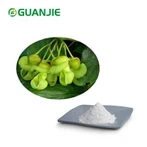
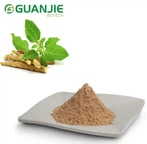
Natural Spermidine is a naturally occurring polyamine compound involved in cellular growth, autophagy (cellular cleanup and renewal), and metabolic regulation. It is present in many foods - such as aged cheese, mushrooms, soybeans, and certain plants - in relatively low concentrations. Dietary supplementation has emerged as a targeted strategy in wellness and longevity supplements, particularly in aging populations. Unlike gluten, which is a protein complex, natural Spermidine is a small organic compound. At the molecular level, no protein structure could be classified as gluten, because gluten is defined as the prolamin and glutelin protein fractions of wheat and related cereals.

What Is Gluten-Free?
In regulated markets, "gluten-free" labeling has strict criteria. For example, in the United States, a product must contain less than 20 parts per million (ppm) of gluten to qualify as gluten-free under FDA guidance. Equivalent thresholds exist in European and Asian regulatory frameworks. Accurate gluten testing throughout the supply chain and manufacturing process is essential to achieve and maintain this status.
When a Natural Spermidine product is derived from wheat germ or processed on shared equipment without allergen controls, it may exceed acceptable gluten levels and cannot be marketed as gluten-free. Natural Spermidine Manufacturers must include appropriate allergen declarations and ensure compliance with local regulations to mitigate consumer risk and liability.
Is Spermidine Gluten-Free?

From a chemical perspective, Natural Spermidine is a small polyamine molecule and does not inherently contain gluten. Gluten is a group of storage proteins (primarily gliadin and glutenin) found in wheat, barley, and rye. Spermidine, regardless of origin, is not a protein and therefore cannot be "gluten" by nature.
However, the source from which spermidine is extracted or produced determines whether the final product contains gluten residues. This is where the market divides into wheat-based and non-wheat-based spermidine products.
1. Wheat vs Non-Wheat Spermidine
A large proportion of commercially available spermidine supplements source their active ingredient from wheat germ extract. Wheat germ is naturally high in polyamines, including spermidine, making it an efficient and widely used raw material for industrial extraction. From a manufacturing standpoint, this source offers practicality and scalability, which explains its strong presence in the current market.
Several well-known spermidine products are based on high-spermidine wheat germ extracts. According to publicly available manufacturer disclosures, these products contain gluten, as wheat germ Natural Spermidine inherently includes gluten and other wheat proteins. Consequently, such supplements are not suitable for individuals with celiac disease or gluten intolerance, and they cannot meet gluten-free labeling requirements.
From a business perspective, wheat germ–derived spermidine provides multiple commercial advantages. First, raw material costs are relatively low due to the stable and abundant global supply of wheat. Second, extraction and processing technologies for wheat germ are well established, reducing technical risk and supporting consistent production. Third, these cost efficiencies enable competitive pricing, making wheat-based spermidine attractive for mass-market dietary supplements focused on affordability.
However, these benefits are accompanied by clear commercial and regulatory constraints. Natural Spermidine Products derived from wheat germ cannot be marketed as gluten-free and must comply with strict allergen labeling regulations. This significantly limits their appeal to a rapidly expanding consumer segment that avoids gluten for medical, regulatory, or lifestyle reasons.
In major markets such as North America, the European Union, and parts of the Asia-Pacific region, inaccurate gluten-free claims may result in regulatory enforcement actions, product recalls, and long-term reputational damage. As a result, wheat germ–based Natural Spermidine is best positioned for price-sensitive, general wellness consumers, rather than premium, clinical, or gluten-free product lines. For brands targeting higher-value or medically oriented segments, alternative non-gluten sources of spermidine are increasingly favored.

2. Spermidine from Non-Gluten Sources
To meet the growing demand from gluten-sensitive consumers, many manufacturers now source spermidine from non-wheat, non-gluten origins. Common alternatives include plant biomass such as chlorella or buckwheat sprouts, as well as other botanical raw materials that are naturally free from gluten proteins. In addition, fermentation-derived spermidine produced through controlled microbial processes has become an increasingly important option for manufacturers seeking consistency, scalability, and allergen control.
These non-gluten sources do not inherently contain gluten. When they are processed in facilities designed for gluten-free production and supported by robust allergen management systems, the resulting Natural Spermidine products can meet regulatory definitions for gluten-free labeling in major global markets. This is particularly important for brands targeting consumers with celiac disease or clinically diagnosed gluten intolerance, where even trace amounts of gluten may pose health risks.
In practice, achieving gluten-free status involves more than ingredient selection alone. Natural Spermidine Manufacturers must implement strict operational controls, including production workflows that prevent cross-contamination with gluten-containing materials, validated cleaning and equipment segregation procedures, and routine analytical testing. Regulatory standards typically require finished products to contain gluten levels below defined thresholds, most commonly less than 20 parts per million, although specific limits may vary by region.
As a result, some spermidine supplements on the global market are clearly positioned as gluten-free products. These offerings often highlight transparent sourcing, third-party testing, and regulatory compliance as key elements of their value proposition. From a business perspective, gluten-free spermidine enables brands to access a broader consumer base, strengthen trust, and support premium positioning in the competitive nutraceutical market.
What Is Gluten-Free Spermidine Used For?
Gluten-free spermidine is primarily used in dietary supplements and functional nutrition products designed to support cellular health, healthy aging, and overall wellness, while meeting the needs of consumers who must avoid gluten. Spermidine is a naturally occurring polyamine involved in key biological processes such as cell renewal, autophagy, and metabolic regulation. When formulated as a gluten-free ingredient, it becomes suitable for people with celiac disease, non-celiac gluten sensitivity, or those who choose gluten-free lifestyles.
From a health and wellness application perspective, gluten-free Natural Spermidine is commonly positioned in:
Longevity and healthy aging supplements, which are associated with cellular maintenance and age-related health support
Metabolic and cardiovascular support formulas, often targeted at middle-aged and senior consumers
Daily wellness supplements, designed for long-term use with a clean-label profile
In these applications, gluten-free status is not only a safety requirement Natural Spermidine but also a quality signal. Consumers increasingly expect supplements to meet the same gluten-free standards as foods, especially when products are taken daily.
From a market and business perspective, gluten-free spermidine offers clear commercial advantages. Consumer demand for gluten-free products has grown significantly over the past decade, driven by medical necessity, lifestyle preferences, and broader wellness trends. Market research consistently shows that gluten-free labeling can enhance perceived product quality and justify premium pricing.
Conclusion:
Natural Spermidine is a molecule, is gluten-free, but its source determines whether the final product contains gluten.
• Wheat germ–derived spermidine contains gluten and is unsuitable for gluten-free labeling.
• Non-wheat and fermentation-derived spermidine can be legitimately marketed as gluten-free, provided manufacturing and testing standards are met.
From a business perspective, gluten-free spermidine supports market expansion. Guanjie Biotech offers high-quality, competitively priced bulk spermidine powder with global compliance credentials, suitable for gluten-free Natural Spermidine product development and international distribution. Welcome to enquire with us at info@gybiotech.com.
References:
[1] Madeo, F., Eisenberg, T., Pietrocola, F., & Kroemer, G. (2018). Spermidine in health and disease. Science, 359(6374), eaan2788.
[2] Eisenberg, T., Knauer, H., Schauer, A., et al. (2009). Induction of autophagy by spermidine promotes longevity. Nature Cell Biology, 11(11), 1305–1314.
[3] U.S. Food and Drug Administration (FDA). (2013). Gluten-Free Labeling of Foods: Final Rule.
[4] European Commission. (2014). Commission Implementing Regulation (EU) No 828/2014 on gluten-free food labeling.
[5] Codex Alimentarius Commission. (2008). Codex Standard for Foods for Special Dietary Use for Persons Intolerant to Gluten (CODEX STAN 118-1979, revised).
[6] Gobbetti, M., Rizzello, C. G., Di Cagno, R., & De Angelis, M. (2014). How the sourdough may affect the functional features of leavened baked goods. Food Microbiology, 37, 30–40.
[7] EFSA Panel on Dietetic Products, Nutrition and Allergies (NDA). (2014). Scientific opinion on the evaluation of allergenic foods and food ingredients. EFSA Journal, 12(11), 3894.