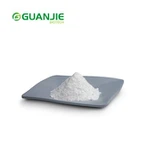
Ceramides are an important class of lipid-like molecules that are widely present in human skin and cell membranes. In particular, they have significant biological functions in the stratum corneum. The classification of ceramides is complex and varied. They can be classified into several types depending on their chemical structure, function, and source.

The basic structure of ceramides
The basic structure of ceramides consists of two key components.
- Sphingosine:
Sphingosine is the backbone part of ceramide and belongs to the long chain of bases. Sphingosine is essentially an amino alcohol with a carbon chain structure with amino (-NH₂) and hydroxyl (-OH) groups. The common sphingosine is 18 carbon atoms in length. However, in some variants, the carbon chain length may be different.
- Fatty acid chain:
The second component of ceramide is a fatty acid. It is attached to the amino group of sphingosine via an amide bond (-NHCO-) to form the complete ceramide molecule. Fatty acids may vary in length, saturation, and branching position, resulting in different types of ceramides.
The structural formula is as follows:
R₁-CONH-CH₂-CH(OH)-CH₂-NH₂
Where represents the long chain fatty acid portion. While the sphingosine part consists of an amino group and two hydroxyl functional groups. It is hydrophilic and hydrophobic and can play key roles in both aqueous and lipid environments.
Major classifications of ceramides
The classification of ceramides is usually based on their chemical structure. It can be categorized in terms of the type of sphingosine, type of fatty acid, etc. The following are some of the major types of ceramides.
- Ceramide 1 (Ceramide EOS).
The EOS type of ceramide is the type of ceramide that has a special structure that is made more complex by the fact that it usually has an additional ester linkage (ester linkage) at the end of the fatty acid chain. EOS-type ceramides are widely used in anti-aging and moisturizing skin care products to enhance the skin's barrier function and increase skin tolerance.
- Ceramide 2 (Ceramide NS).
Also known as Ceramide Type 1 (Ceramide 1), NS-type ceramides have fatty acid chains that are usually saturated and generally around 24 carbons in length. This type of ceramide plays an important role in the skin barrier, particularly in maintaining skin moisture and preventing water loss. ns ceramides are widely used in skincare products for their ability to significantly improve skin moisturization.
- Ceramide 3 (Ceramide NP).
Ceramide 3 is a ceramide composed of sphingosine and non-hydroxy fatty acids. Ceramide NP powder is widely used in skincare products. Guanjie Biotech produces Ceramide 3 powder, which is effective in moisturizing the skin and improving skin barrier function.
- Ceramide 4 (Ceramide EOH).
This type of ceramide usually contains longer-chain fatty acids with different functional groups. ceramide 4 complements the protective and restorative functions of the skin and is often used in care products for very dry skin.
- Ceramide 6 (Ceramide AP).
Ceramide 6 has some exfoliating properties. It helps slough off aging skin cells while enhancing the skin's moisturizing function. It is often used in anti-aging and moisturizing products to improve skin texture and radiance. Guanjie Biotech produces Ceramide 6 powder. The sphingosine portion of the AP-type ceramide is dihydrosphingosine, which makes it chemically different from standard NS-type ceramides.
- Ceramide 9 (Ceramide EOP).
This ceramide has a long fatty acid chain and contains a variety of functional groups. It is usually found in skin care products with anti-aging properties. Not only do the different types of ceramides differ in structure, but their function in the skin also varies. These molecules work together to form a strong skin barrier system that protects the skin from environmental factors.
Ceramides can also be classified according to their source, which mainly includes ceramides of plant origin, animal origin and synthetic origin.
Ceramides of plant origin.
Commonly found in plants such as wheat and rice bran. Ceramides from plant sources are usually high in polyunsaturated fatty acids and are suitable for sensitive skin, providing a good moisturizing effect without causing skin irritation. Ceramides from plant extracts are often used in natural skin care products due to their natural properties.
Ceramides of Animal Origin.
Ceramides of animal origin are usually extracted from tissues such as bovine and porcine brains and are rich in lipids. Although their effects are more similar to those of natural ceramides in the skin, they are currently less commonly used in skincare products due to their complex extraction process and potential risk of allergy.
Synthetic Ceramides.
As technology advances, synthetic ceramides are becoming more mainstream. Ceramides produced through chemical synthesis or bioengineering are similar in structure to natural ceramides. However, the structure can be optimized as required to enhance its efficacy and reduce side effects. Synthetic ceramides are more pure and less costly to produce in large quantities and are widely used in skin care products and pharmaceuticals. Guanjie Biotech uses biogeneration to produce Ceramide 3 and Ceramide 6.
Classification by Function
Based on their different functions, ceramides can usually be classified into the following categories.
- Moisturising Ceramides.
The types of ceramides found in many skin care products are primarily designed to enhance the skin's ability to moisturize. For example, Ceramide 2 and Ceramide 3 are very common moisturizing ceramides that lock moisture in the skin and prevent water loss.
- Barrier Repair Ceramides.
Ceramides play a key role in the repair of the skin barrier. Especially in the care of very dry, damaged skin, Ceramide 1 and Ceramide 9 are typical restorative ceramides that help restore the skin's barrier function to normal.
- Anti-Aging Ceramides.
As we age, the amount of ceramides in the skin decreases, leading to dryness, fine lines and wrinkles. It has ceramides with anti-aging properties. Such as Ceramide 6 and Ceramide 9 promote skin cell renewal, reduce wrinkles and increase skin elasticity.
Functions and applications of ceramides
Ceramide not only plays an important role in the structure of biological membranes, but also participates in a variety of physiological processes such as cell signaling, cell growth, and apoptosis. In the field of cosmetic skincare, the moisturizing, anti-aging, and restorative functions of ceramides have received widespread attention. Specific applications include:
- Skin moisturization:
Ceramides are able to lock in moisture and reduce water loss by forming a bilayer structure in the skin's stratum corneum.
- Anti-aging:
Ceramides play an important role in promoting cell regeneration and repair and can help slow down the aging process of the skin.
- Skin Barrier Repair:
Guanjie Biotech is a ceramides supplier. We produce ceramides 3 and ceramide 6. The products are white to off-white powder with ≥95% purity. We use a fermentation process to produce high-quality ceramides. We can provide ceramide 3 and ceramide 6 samples. Welcome to enquire info@gybiotech.com.