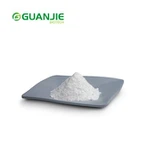
Ceramides are a group of lipids with at least 12 identified subtypes, differing in sphingoid bases, fatty acid chain lengths, and hydroxylation levels. These structural differences affect their roles in the skin barrier, formulation compatibility, and cosmetic applications. Ceramide NP powder, Ceramide AP powder, and Ceramide EOS are widely studied ceramide ingredients used in skincare formulations. When selecting ceramide powder for cosmetics, manufacturers should consider skin barrier function, ingredient compatibility, formulation stability, and available efficacy data. Choosing the right ceramide raw material depends on the product's intended use, formulation requirements, and supporting evidence for its skincare benefits.

Which Type Of Ceramide Is Best For Skin?
Ceramides are sphingolipids composed of a long-chain sphingoid base linked to a fatty acid through an amide bond. In the human stratum corneum, ceramides account for approximately 50% of intercellular lipids by mass and play an essential role in maintaining the skin barrier. Based on their molecular structures, ceramides are classified into multiple subclasses. Three important ceramide ingredients used in cosmetic and personal care formulations are Ceramide NP, Ceramide AP, and Ceramide EOS. These ingredients are relevant to manufacturers selecting cosmetic-grade ceramide raw materials for skincare products.
Ceramide NP (Ceramide 3)
Ceramide NP, formerly known as Ceramide 3, is widely used in skincare formulations. It contains a non-hydroxy fatty acid linked to a phytosphingosine base. Depending on the specific molecular structure, its fatty acid chain may vary in length.
Ceramide NP is an important component of the skin's intercellular lipid matrix. It contributes to the organized lipid structure that helps reduce moisture loss and maintain the skin barrier. Reduced ceramide levels and altered ceramide profiles have been associated with barrier impairment in aging skin and certain skin conditions.
For cosmetic manufacturers, Ceramide NP Powder is a potential raw material for creams, lotions, serums, and barrier-support formulations. Its performance depends on purity, dispersion, solubility, and compatibility with other ingredients. Liposomes and other delivery systems may be considered when developing formulations containing ceramides.
Ceramide AP (Ceramide 6 II)
Ceramide AP, previously called Ceramide 6 II, contains an α-hydroxy fatty acid linked to a phytosphingosine base. The α-hydroxy group influences its polarity and interactions with other components of the skin's lipid matrix.
Although Ceramide AP may occur at lower levels than some other ceramide subclasses, it contributes to the organization of intercellular lipids and supports the skin barrier. In cosmetic formulations, it may be combined with Ceramide NP, cholesterol, fatty acids, and other barrier-supporting ingredients.
Ceramide AP Powder is relevant to skincare manufacturers developing moisturizing creams, lotions, and advanced skin-conditioning products. Formulation testing is necessary to determine its dispersion, stability, and compatibility.
Ceramide EOS (Ceramide 1)
Ceramide EOS belongs to the acylceramide subclass and contains an esterified ω-hydroxy fatty acid. Its distinctive long-chain structure contributes to the organization of lipid lamellae in the stratum corneum.
Ceramide EOS plays an important structural role in maintaining the skin barrier. Changes in ceramide chain-length distribution may affect lipid organization and transepidermal water loss.
For cosmetic ingredient sourcing, Ceramide EOS can be considered when developing formulations that target skin barrier support. Manufacturers should evaluate ingredient identity, purity, stability, and compatibility before production.
Selecting the appropriate Ceramide Powder supplier requires reviewing technical specifications, quality documentation, and formulation requirements. These factors help manufacturers select suitable ceramide raw materials for consistent cosmetic product development.
Comparison of Key Parameters for Three Types of Ceramides
|
Parameter |
Ceramide NP (Ceramide 3) |
Ceramide AP (Ceramide 6 II) |
Ceramide EOS (Ceramide 1) |
|
INCI Name |
Ceramide NP |
Ceramide AP |
Ceramide EOS |
|
Sphingoid base |
Sphingosine |
Phytosphingosine |
Sphingosine/Phytosphingosine |
|
Fatty acid characteristics |
Non-hydroxylated, C16–C18 saturated chains |
α-hydroxylated, C16–C18 |
ω-hydroxylation + esterification, C28–C32+ |
|
Stratum corneum abundance |
High |
Low to medium |
Low abundance but functionally critical |
|
Core functions |
Maintenance of fundamental barrier structure |
Polar lipid interaction |
Long-periodicity phase organization |
|
Typical commercial ingredients |
Viablife Ceramide NP 3 |
Viablife Ceramide AP |
Often combined with NP/AP |
|
Water solubility/dispersibility |
Lipid-soluble |
Higher polarity, easier to formulate |
Lipid-soluble |
|
Recommended applications |
General-purpose moisturizing and repairing products |
Sensitive skin, soothing products |
Barrier repair and anti-aging products |
There is no single best type of ceramide powder for every skin concern. The ideal choice depends on the intended application, formulation design, and skin condition. The skin barrier relies on multiple ceramide subtypes working together to maintain lipid organization, reduce moisture loss, and support barrier function.
Ceramide NP Powder for Barrier Repair and Moisturization
Ceramide NP powder is widely used in moisturizing and skin barrier repair formulations. Ceramide NP, also known as Ceramide 3, helps support the lipid structure of the stratum corneum. Skincare products containing ceramides may help improve skin hydration and reduce transepidermal water loss (TEWL), depending on the overall formulation.
Ceramide AP Powder for Sensitive Skin Formulations
Ceramide AP powder**, also known as Ceramide 6 II, is another option for skincare products designed to support barrier function. Its molecular structure contributes to the organization of stratum corneum lipids. Formulators should evaluate its compatibility, concentration, and stability within the finished product rather than assuming that one ceramide subtype independently provides anti-inflammatory or antimicrobial effects.
Ceramide EOS Powder for Aging Skin and Advanced Barrier Care
Ceramide EOS powder is relevant to formulations targeting skin barrier integrity. Its ester-linked structure contributes to the long-chain lipid organization of the stratum corneum. Combining long-chain ceramides with other skin-identical lipids may help support barrier function and moisture retention in mature-skin formulations.
For many applications, a ceramide complex powder containing multiple ceramide subtypes may offer greater formulation flexibility than a single ceramide. Combinations of Ceramide NP, AP, and EOS can help address different aspects of skin lipid organization. However, performance depends on ingredient quality, concentration, delivery system, and compatibility with other formulation components.
Ceramide Powder Formulation and Application Considerations
When selecting ceramide powder for skincare formulations, manufacturers should evaluate solubility, stability, ingredient compatibility, and delivery systems. Different ceramide types, including Ceramide AP, Ceramide NP, and Ceramide EOS, have different structural properties that affect formulation design. Liposomes, suitable dispersions, or co-formulation with cholesterol and free fatty acids may improve ceramide delivery.

Ceramide formulation stability depends on the complete formula, processing conditions, and packaging. A pH range of 5.0–7.0 may suit many skincare products, subject to compatibility testing. Combining ceramides with cholesterol, free fatty acids, humectants, and emollients can support skin hydration and barrier function. For ceramide powder suppliers and cosmetic manufacturers, selecting appropriate delivery systems is essential for developing stable creams, lotions, and water-dispersible skincare products.
FAQs:
Q1. Which Type Of Ceramide Is Best For Skin Barrier Repair?
Ceramide NP, Ceramide AP, and Ceramide EOS each contribute to skin barrier structure. Ceramide NP is widely used in moisturizing and barrier-support skincare products, while Ceramide AP and Ceramide EOS contribute to intercellular lipid organization. The best choice depends on the formulation's objectives, ingredient compatibility, and supporting efficacy data. Combining multiple ceramide types may provide greater formulation flexibility than using a single ceramide.
Q2. What is the Difference Between Ceramide NP, Ceramide AP, and Ceramide EOS?
Ceramide NP contains a non-hydroxy fatty acid linked to a phytosphingosine base. Ceramide AP contains an α-hydroxy fatty acid linked to a phytosphingosine base. Ceramide EOS is an acylceramide containing an esterified ω-hydroxy fatty acid. These structural differences influence lipid interactions, barrier organization, and formulation requirements. Cosmetic manufacturers should select ceramide raw materials according to their intended applications and technical specifications.
Q3. Is Ceramide Np Better Than Ceramide Ap For Dry Skin?
Ceramide NP is a common choice for moisturizing creams and skin barrier formulations because it helps support the lipid structure of the stratum corneum. Ceramide AP can complement Ceramide NP by contributing to intercellular lipid organization. Neither ingredient is universally superior for dry skin. Finished-product performance depends on ceramide concentration, the overall lipid composition, delivery system, and compatibility with humectants and emollients.
Q4. What are the benefits of Ceramide EOS in skincare formulations?
Ceramide EOS belongs to the acylceramide family and contributes to the organized lipid structures of the skin barrier. Its distinctive long-chain structure is important for the formation of ordered lipid lamellae. Cosmetic manufacturers may consider Ceramide EOS when developing advanced barrier-support and mature-skin formulations. Its effectiveness depends on ingredient quality, formulation design, concentration, and supporting product performance data.
Q5. Can Ceramide NP, Ceramide AP, and Ceramide EOS be combined in one formulation?
Yes. Combining Ceramide NP, Ceramide AP, and Ceramide EOS is a potential strategy for developing ceramide complex formulations. Different ceramide structures contribute to different aspects of skin lipid organization. Formulators should optimize ingredient ratios and evaluate compatibility with cholesterol, free fatty acids, emollients, and emulsifiers. Stability testing and finished-product efficacy assessments are necessary to determine whether the combination provides measurable benefits.
Q6. What concentration of ceramide powder is suitable for cosmetic formulations?
The appropriate ceramide concentration depends on the ceramide subtype, raw material purity, delivery system, product type, and supporting efficacy data. There is no single concentration suitable for every cream, lotion, serum, or barrier-repair product. Manufacturers should review supplier recommendations, calculate the active ceramide content, and conduct formulation trials to establish an effective and stable concentration for the intended application.
Q7. Is ceramide powder water-soluble?
Most conventional ceramides, including Ceramide NP and Ceramide EOS, have limited water solubility and require suitable formulation strategies. Ceramide AP also requires careful evaluation of its dispersion and compatibility properties. Depending on the raw material, manufacturers may use appropriate lipid phases, emulsions, liposomes, or other delivery systems. A supplier's technical data should be reviewed to distinguish true water solubility from water dispersibility.
Q8. How can manufacturers improve the stability of ceramide powder in skincare products?
Ceramide formulation stability depends on the raw material's properties, processing conditions, and the complete formula. Manufacturers should evaluate heating and cooling conditions, mixing efficiency, pH compatibility, crystallization, and long-term physical stability. Co-formulation with cholesterol and fatty acids may help support lipid organization in suitable systems. Accelerated and real-time stability studies can help establish appropriate processing conditions and packaging requirements.
Q9. Which ceramide is best for sensitive skin formulations?
Ceramide NP and Ceramide AP are potential ingredients for skincare products designed to support the skin barrier. Ceramide EOS may also be considered in formulations that require specific lipid-organization characteristics. However, no single ceramide subtype is universally best for sensitive skin. Manufacturers should evaluate the complete formulation, including fragrance, preservatives, surfactants, and other potential irritants, and conduct appropriate safety and tolerability assessments.
Conclusion:
Selecting high-quality Ceramide Powder requires a systematic approach based on formulation goals, ingredient compatibility, and delivery system performance rather than choosing a single ingredient. Ceramide NP, Ceramide AP, and Ceramide EOS have distinct structural and functional characteristics that can support the development of skin barrier formulations. Combining these ceramide raw materials in appropriate ratios may help create lipid compositions that better mimic the skin's natural barrier. During product development and procurement, manufacturers should evaluate purity, crystal form, stereochemistry, and the proportions of auxiliary ingredients to ensure consistent quality and formulation performance. Guanjie Biotech is a Ceramide Powder supplier, offering Ceramide 3 Powder (Ceramide NP) and Ceramide 6 Powder (Ceramide AP), with OEM and ODM services for skincare and cosmetic ingredient manufacturers.
References:
[1] Kawana M, et al. Comparative profiling and comprehensive quantification of stratum corneum ceramides in humans and mice by LC/MS/MS. Journal of Lipid Research, 2020, 61(6): 884-895.
[2] Fan Y, et al. Correlation study of facial lipid profile differences and skin physiological characteristics in Chinese women aged 19-33 years. International Journal of Cosmetic Science, 2025, 47(5): 752-767.
[3] de Jager M, et al. Acylceramide head group architecture affects lipid organization in synthetic ceramide mixtures. Journal of Investigative Dermatology, 2004, 123(5): 911-916.
[4] Opálka L, et al. Omega-O-Acylceramides in skin lipid membranes: effects of concentration, sphingoid base, and model complexity on microstructure and permeability. Langmuir, 2016, 32(48): 12894-12904.
[5] Opálka L, et al. ω-O-Acylceramides but not ω-hydroxy ceramides are required for healthy lamellar phase architecture of skin barrier lipids. Journal of Lipid Research, 2022, 63(6): 100226.
[6] Uchino T, et al. Comparative analysis of intercellular lipid organization and composition between psoriatic and healthy stratum corneum. Chemistry and Physics of Lipids, 2023, 254: 105305.
[7] Hergesell K, et al. The effect of long-term cigarette smoking on selected skin barrier proteins and lipids. Scientific Reports, 2023, 13(1): 11572.
[8] Su Z, et al. The effectiveness and safety of a skin care product with Centella asiatica leaf extract, ceramide NP, and panthenol in subjects with sensitive skin: a prospective, observational study. Journal of Cosmetic Dermatology, 2025, 24(7): e70324.
[9] Şahin Bektay H, et al. The design and optimization of ceramide NP-loaded liposomes to restore the skin barrier. Pharmaceutics, 2023, 15(12): 2685.
[10] Tessema EN, et al. Delivery of oat-derived phytoceramides into the stratum corneum of the skin using nanocarriers: formulation, characterization and in vitro and ex-vivo penetration studies. European Journal of Pharmaceutics and Biopharmaceutics, 2018, 127: 260-269.