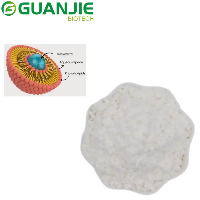
Glutathione Powder (GSH) is a tripeptide composed of glutamic acid, cysteine, and glycine. As a naturally occurring antioxidant, glutathione is widely distributed in mammalian cells and plays an important role in cellular redox balance. In cosmetic formulations, glutathione raw material is valued for its antioxidant properties. Ingredient safety assessments, including the Environmental Working Group's (EWG) Skin Deep database, provide information for cosmetic ingredient evaluation. Manufacturers sourcing bulk Glutathione Powder should consider purity, stability, quality specifications, and regulatory requirements for their intended applications.
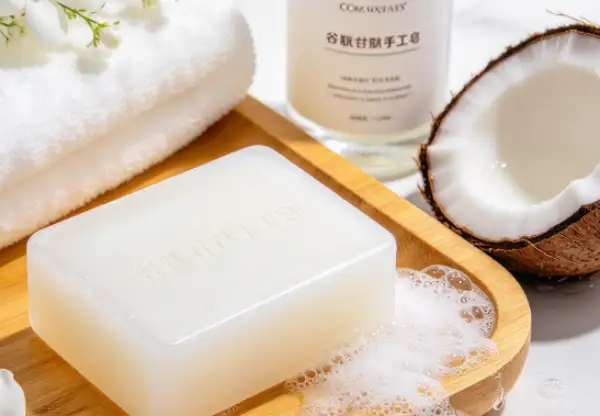
Is Glutathione Safe For Soap?
The skin tolerability of topical formulations containing glutathione has been evaluated in clinical studies. In one study, 30 participants used a lotion containing 2% oxidized glutathione (GSSG). All participants completed the study without significant adverse reactions. One participant experienced mild erythema on days 2 and 3, which resolved spontaneously by day 4 without discontinuing the product. In another study, 24 participants used a glutathione-containing combination cream for 12 consecutive weeks. No adverse reactions, including erythema, itching, scarring, skin atrophy, telangiectasia, or post-inflammatory hyperpigmentation, were reported. These findings suggest good skin tolerability under the specific study conditions.
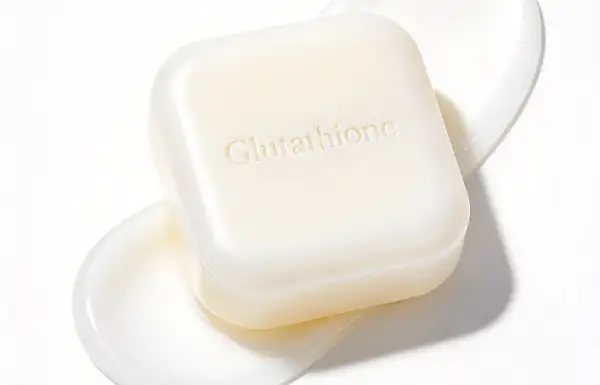
However, these results primarily concern leave-on products, such as lotions and creams, and should not be directly generalized to all formulations. Glutathione soap is a rinse-off product with shorter skin contact time. Although systemic exposure may be lower than with leave-on products, actual exposure depends on formulation, concentration, and usage conditions. Manufacturers selecting pure glutathione powder for skincare products should evaluate ingredient quality, formulation stability, and product-specific safety.
What Does Glutathione Do in Soap Formulations?
Glutathione Powder is an ingredient of interest in skincare and personal care product development because of its antioxidant properties and potential role in pigmentation regulation. When developing glutathione soap, manufacturers should evaluate its functional benefits, formulation stability, and compatibility with other ingredients.
• Antioxidant Properties
Glutathione is a naturally occurring antioxidant that helps protect cells against oxidative stress caused by reactive oxygen species (ROS). In skincare formulations, glutathione powder for cosmetics is investigated for its potential to support skin protection against environmental stressors, including UV exposure and pollution. Research on glutathione liposomes has also explored their effects on cellular oxidative stress. However, these findings do not automatically establish the same benefits in rinse-off soap products.
• Skin Tone and Pigmentation Research
Glutathione has been studied for its potential effects on melanin synthesis. Proposed mechanisms include the inhibition of tyrosinase activity and changes in the balance between eumelanin and pheomelanin production. These findings have generated interest in glutathione powder for skincare and brightening soap formulations. However, evidence from topical products cannot be directly generalized to soap because contact time, ingredient concentration, and formulation conditions may affect performance.
•Formulation Stability and Compatibility
Natural glutathione powder contains a reactive thiol group that contributes to its reducing properties. This chemical characteristic makes glutathione bulk powder for soap manufacturing a formulation ingredient that requires careful stability evaluation. Oxidation, pH, temperature, moisture, and interactions with preservatives or other active ingredients may affect its performance. Manufacturers should conduct compatibility testing and assess glutathione content throughout the product's intended shelf life.
•Antimicrobial Research
A 2025 study reportedly investigated soap containing glutathione extracted from Fomitopsis pinicola, assessing antimicrobial activity, pH, thermal stability, and skin irritation. Such findings may inform further research into glutathione soap formulations. However, antimicrobial efficacy and skin compatibility should be verified using appropriate testing methods before making product claims.
The following table summarizes the key functional aspects of glutathione in soap formulations
|
Functional Dimensions |
Mechanism of Action |
Significance in soap |
|
Antioxidant protection |
Quenches free radicals, protecting cells from oxidative damage |
Mitigates the cumulative impact of environmental oxidative stress on the skin |
|
Whitening and regulation |
Inhibits tyrosinase, directing synthesis toward pheomelanin |
Helps improve skin tone evenness |
|
Formula stability |
Inactivates oxidizing preservatives through thiol-based reduction |
Influences the choice of preservation systems and formulation compatibility |
|
Antibacterial support |
Exhibits inhibitory activity against certain bacteria and fungi |
Enhances the product's cleansing and hygienic properties |
What Effect Does Soap Formulation Have on Glutathione Powder Stability?
The stability of Glutathione Powder in soap formulations depends on pH, processing temperature, and ingredient compatibility. Traditional soap bases are often alkaline, typically around pH 9–10, which can accelerate the oxidation of glutathione's thiol group. This may lead to the formation of oxidized glutathione (GSSG) and reduce the active ingredient's stability. Therefore, formulators should evaluate pH control and storage conditions when developing glutathione soap formulations. A near-neutral pH, where compatible with the product type, may help improve stability.
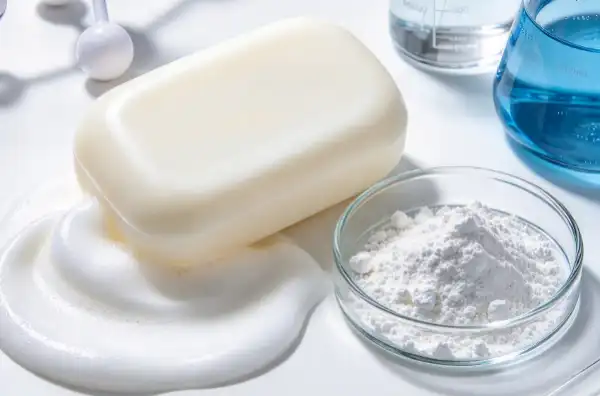
Manufacturing temperature is another important consideration. Traditional saponification involves heat, which may affect glutathione stability. Adding reduced glutathione powder (GSH) after the saponification process and cooling may reduce heat exposure. However, the final formulation should be tested to confirm ingredient compatibility and glutathione retention throughout storage.
Metal ions, including iron and copper, can also promote oxidation reactions involving glutathione. These impurities may enter the formulation through raw materials or processing equipment. Using suitable chelating agents, such as disodium EDTA, may help control metal-catalyzed oxidation, subject to formulation compatibility and applicable regulations.
Regulatory Framework and Compliance Requirements
The regulatory compliance of glutathione soap depends on local cosmetic laws, ingredient safety, and product notification or registration requirements. In February 2026, the Philippine Food and Drug Administration (FDA) issued a warning about "WHITEN CELESTIAL GLUTATHIONE SOAP," identifying it as an unauthorized cosmetic without a Certificate of Product Notification (CPN). The agency warned of potential risks, including skin irritation, itching, anaphylactic shock, and organ damage associated with heavy metal contamination. Similar concerns were raised in a 2021 warning about an oatmeal whitening soap containing glutathione.
These cases highlight an important distinction: glutathione use in cosmetics and the regulatory compliance of a finished cosmetic product are separate issues. Product safety depends on ingredient quality, contamination control, manufacturing practices, and compliance with applicable regulations. Therefore, glutathione powder for cosmetics should be evaluated through appropriate quality testing and supplier documentation before formulation.
Glutathione is used in various cosmetic formulations, but its permitted applications and associated claims depend on the regulations of each market. Manufacturers should verify ingredient restrictions, product notification requirements, and labeling rules before commercializing glutathione soap or other skincare products. Claims involving skin whitening or brightening require particular attention because requirements vary by jurisdiction.
For cosmetic manufacturers sourcing glutathione powder, key purchasing considerations include purity, heavy metal limits, a Certificate of Analysis (COA), and relevant safety documentation. Working with a reliable glutathione powder supplier can help support raw material quality management and regulatory compliance. However, supplier documentation does not replace the finished product safety assessment or required regulatory procedures.
Risk Factors and Limitations
Although glutathione is used in topical skincare products, its application in soap formulations requires careful evaluation of stability, skin compatibility, and efficacy.
Limited Skin Penetration and Bioavailability
Glutathione is a hydrophilic tripeptide with limited ability to penetrate the skin's outer barrier, known as the stratum corneum. Consequently, glutathione powder added to soap may remain primarily on the skin surface or be removed during rinsing. This limits the evidence supporting its effectiveness in delivering antioxidant or skin-brightening benefits. Formulators should evaluate ingredient compatibility, skin exposure, and performance under actual product-use conditions.
Distinguishing Topical Use from Intravenous Administration
Safety concerns associated with intravenous glutathione, including reported allergic reactions and potential organ-related adverse effects, should not be directly applied to topical soap products. These administration routes involve different exposure levels and biological pathways. However, limited systemic absorption does not automatically establish that a topical formulation is safe. Manufacturers should assess skin irritation, sensitization potential, ingredient purity, and the safety of the finished product.
Limited Evidence for Glutathione Soap Safety
Existing research on topical glutathione primarily involves creams, lotions, and gels. Rinse-off soap formulations may behave differently because of their pH, surfactant concentrations, and short contact time. These factors can affect glutathione powder stability, ingredient compatibility, and potential skin interactions. Although individual studies may report favorable irritation results, their findings should be interpreted in light of sample size, study duration, and the glutathione source.
|
Risk Factors |
Specifics |
Mitigation measures |
|
Stability risks |
Alkaline pH and high-temperature processing lead to glutathione degradation or oxidation. |
Control soap base pH to near-neutral levels; add ingredients after saponification |
|
Bioavailability |
Hydrophilic tripeptides have limited transdermal permeability, and their efficacy is uncertain. |
Enhance delivery using derivatized forms or carrier systems |
|
Formulation compatibility |
The thiol group reacts with metal ions and oxidizing preservatives. |
Add chelating agents; avoid incompatible preservative systems |
|
Regulatory compliance risks |
Unnotified or unregistered products may contain heavy metal contamination or prohibited ingredients. |
Complete product notification procedures and conduct heavy metal testing |
|
Data gaps |
Lack of specific clinical safety data for soap-based formulations. |
Conduct safety assessments for rinse-off products |
FAQs:
Q1. Is Glutathione Safe To Use In Soap?
Glutathione can be used as an ingredient in some cosmetic soap formulations, provided it meets applicable cosmetic ingredient requirements and is used at an appropriate concentration. Formulators should evaluate ingredient purity, stability, skin compatibility, and finished-product safety. The suitability of glutathione depends on the complete formulation, manufacturing process, and intended market.
Q2. What Is Glutathione, And Why Is It Used In Soap?
Glutathione is a tripeptide composed of glutamic acid, cysteine, and glycine. It is known for its antioxidant properties and is used in some cosmetic formulations. In soap and cleansing products, formulators may investigate glutathione for antioxidant-related cosmetic applications. Its performance depends on ingredient stability, product pH, and formulation conditions.
Q3. Can Glutathione Survive The Soap-Making Process?
Glutathione stability can be affected by heat, oxygen, pH, and other formulation factors. Traditional soap-making processes may expose ingredients to alkaline conditions that can affect glutathione stability. Formulators should evaluate processing temperature, addition timing, and finished-product stability through laboratory testing rather than assuming that glutathione remains unchanged during production.
Q4. What Type Of Glutathione Is Suitable For Soap Formulations?
Reduced glutathione (GSH) is a commonly studied form of glutathione used in cosmetic ingredient research. When selecting glutathione powder for soap manufacturing, formulators should consider purity, solubility, oxidation sensitivity, impurity profile, and compatibility with the soap base. The preferred grade should be determined through formulation trials and relevant cosmetic quality requirements.
Q5. What Concentration Of Glutathione Should Be Used In Soap?
There is no single universally suitable glutathione concentration for all soap formulations. The appropriate level depends on ingredient stability, product type, intended cosmetic function, and applicable regulations. Manufacturers should conduct concentration screening, stability testing, and skin compatibility assessments to establish a suitable use level for the finished product.
Q6. Does Glutathione In Soap Help Brighten The Skin?
Glutathione is investigated for its potential effects on skin pigmentation, but evidence from other cosmetic or oral applications cannot automatically be applied to rinse-off soap. Contact time, ingredient stability, skin exposure, and the overall formulation can affect performance. Cosmetic claims should be supported by appropriate evidence and comply with the regulations of the target market.
Q7. Is Glutathione Compatible With The High pH Of Soap?
Traditional soap commonly has an alkaline pH, which may affect glutathione stability. Formulators should assess whether the ingredient retains its intended chemical properties under the actual product conditions. Syndet cleansing bars and other milder cleansing systems may offer different formulation conditions, but compatibility and stability must still be verified experimentally.
Q8. Can Glutathione Be Added To Liquid Soap And Body Wash?
Glutathione may be evaluated for use in liquid soap, body wash, and other rinse-off cleansing products. These formulations can differ from traditional bar soap in pH, surfactant composition, water content, and preservation requirements. Formulators should test solubility, color changes, oxidation, microbial quality, and stability throughout the intended shelf life.
Q9. How Can Manufacturers Improve Glutathione Stability In Soap?
Manufacturers can investigate several formulation strategies to help manage glutathione degradation:
• Control processing temperature and minimize unnecessary heat exposure.
• Reduce avoidable oxygen exposure during manufacturing and packaging.
• Evaluate pH and ingredient compatibility before production scale-up.
• Select packaging appropriate for the product's stability requirements.
• Monitor glutathione content, color, odor, and other relevant quality attributes during stability testing.
These measures should be validated for the specific soap formulation.
Conclusion:
Glutathione Powder is used in cosmetic formulations, including soaps, where product safety depends on ingredient quality, formulation stability, and regulatory compliance. Although available evidence suggests favorable topical tolerability, safety must be evaluated for each finished product. As a rinse-off product, glutathione soap generally involves shorter skin contact than leave-on cosmetics. Manufacturers should verify raw material quality, control heavy metal levels, and comply with cosmetic regulations in target markets. For Glutathione Powder suppliers and cosmetic formulators, key considerations include improving glutathione stability in alkaline soap formulations, optimizing ingredient addition, and selecting suitable packaging to maintain product quality.
Guanjie Biotech is a glutathione powder supplier providing bulk glutathione raw materials for soap manufacturers. We offer high-purity glutathione powder and customized OEM and ODM services to meet different formulation, specification, and packaging requirements. Contact us for reliable glutathione ingredient supply solutions. Welcome to enquire with us at info@gybiotech.com.
References:
[1] Watanabe, F., et al. (2024). Systematic Review of the Efficacy and Safety of Topical Glutathione in Dermatology. The Journal of Clinical and Aesthetic Dermatology, *18*(9), 51.
[2] Imokawa, G. (1989). Analysis of initial melanogenesis including tyrosinase transfer and melanosome differentiation through interrupted melanization by glutathione. Journal of Investigative Dermatology, *93*(1), 100-107.
[3] Chung, B. Y., et al. (2016). The Glutathione Derivative, GSH Monoethyl Ester, May Effectively Whiten Skin but GSH Does Not. International Journal of Molecular Sciences, *17*(5), 629.
[4] Enomoto, T. M., et al. (2005). Combination of glutathione and anthocyanins as an alternative for skin care during external-beam radiation. The American Journal of Surgery, *189*(5), 627-631.
[5]Juhasz, M. L. W., & Levin, M. K. (2018). The role of systemic treatments for skin lightening. Journal of Cosmetic Dermatology, *17*(6), 1144-1157.
[6]Food and Drug Administration Philippines. (2026). FDA Advisory No. 2026-0143: Public Health Warning Against the Purchase and Use of the Unauthorized Cosmetic Product "WHITEN CELESTIAL GLUTATHIONE SOAP".
[7] Food and Drug Administration Philippines. (2021). FDA Advisory No. 2021-2575: Against the Purchase and Use of Unauthorized Cosmetic ACTIVE WHITE BLEACHING SOAP SKIN WHITENER WITH GLUTATHIONE.