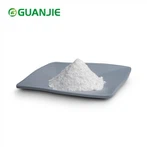
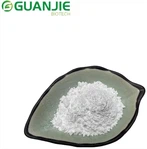
L-ergothioneine powder is a naturally occurring thioamino acid. It was first isolated from ergot by Charles Tanret in 1909. Ergothioneine has powerful antioxidant properties and potential health benefits. In particular, its role in cytoprotection, anti-oxidative stress, and anti-inflammation. Mushroom is a fungal food. It has a high content of ergothioneine. It is considered one of the major dietary sources of this compound. However, do all mushrooms contain ergothioneine?

Types of mushrooms that contain ergothioneine and their contents
• Shiitake mushroom:
Shiitake is a common edible mushroom that is relatively rich in ergothioneine. Studies have shown that shiitake mushrooms contain relatively high levels of ergothioneine. Shiitake mushrooms have certain advantages in terms of antioxidants and anti-aging.
• Flat mushroom:
Flat mushrooms are also one of the common mushroom varieties found on people's tables. It also contains ergothioneine. Although its ergothioneine content may be slightly lower than shiitake. However, it is still one of the important sources of ergothioneine bulk powder.
• Agaricus bisporus:
Being one of the most widely cultivated mushrooms in the world. The presence of ergothioneine has also been detected in Agaricus bisporus. Their ergothioneine content may vary between different growing environments and strains. However, they generally have a certain level of content.
• Wood ear:
Wood ear is a nutritious fungus. It also contains ergothioneine. Ergothioneine in fungus may play a role in its ability to exert health benefits. Such as protection of the cardiovascular system.
• Golden Needle Mushroom:
The enoki mushroom contains a certain amount of ergothioneine. This makes enoki mushrooms antioxidant-rich, in addition to being rich in dietary fiber and other nutrients. This helps in scavenging free radicals from the body and reducing oxidative damage.
Reasons for differences in ergothioneine content in mushrooms
• Species differences:
There is a wide variety of mushrooms, and different species have developed their unique metabolic pathways and physiological properties over a long period of evolution. Some mushrooms may not have evolved the relevant genes and enzyme systems for synthesizing ergothioneine due to their different ecological niches and survival strategies. Even if they do, their expression levels are extremely low, resulting in the inability to synthesize ergothioneine or only a very small amount of L-ergothioneine powder. For example, some parasitic mushrooms may be more dependent on nutrients and antioxidants provided by the host. There is no need to synthesize ergothioneine on their own.
• Influence of growth environment:
Even for the same mushroom, the amount of ergothioneine may vary greatly in different growing environments. Environmental factors such as light, temperature, humidity, soil nutrients, etc. all affect mushroom growth and metabolism. Suitable environmental conditions may favor the synthesis and accumulation of ergothioneine in mushrooms, while unsuitable environments may inhibit its synthesis. For example, shiitake mushrooms grown in a light, temperature-suitable environment with soil rich in specific minerals may contain more ergothioneine than those grown in dark, cold, or infertile soil.
• Strain differences:
There may be some genetic differences between different strains of the same mushroom species. These differences may cause them to differ in their ability to synthesize ergothioneine. Some high-yielding strains that have been artificially selected for bulk ergothioneine content may have been selected by focusing primarily on traits such as yield and growth rate. This resulted in relatively low ergothioneine content in these strains. Some wild strains, on the other hand, may have retained a higher ergothioneine synthesis capacity due to long-term adaptation and evolution in the natural environment.
Function
1. Antioxidant effects
• Scavenging free radicals:
Ergothioneine can directly scavenge many free radicals in the body. Such as superoxide anion radicals, hydroxyl radicals, and hydrogen peroxide. These free radicals are one of the major contributors to oxidative cell damage. They cause lipid peroxidation, protein denaturation, DNA damage, and so on. This is closely related to the development of aging, cancer, cardiovascular disease, and many other diseases. By scavenging free radicals, ergothioneine can reduce oxidative damage and protect the structural and functional integrity of cells.
• Activates antioxidant enzymes:
Ergothioneine can also activate some antioxidant enzymes in cells. Such as superoxide dismutase (SOD) and glutathione peroxidase (GSH-Px). These antioxidant enzymes work synergistically in the body to further enhance the antioxidant defense of the cells, forming an effective antioxidant network that works together to defend against free radicals.
2. Cellular Protective Functions
• Protection of mitochondria:
Mitochondria is an important organelle in the cell for energy production and also one of the main sites of free radical production. It is susceptible to oxidative damage. L-ergothioneine powder can enter the mitochondria. By removing free radicals from the mitochondria, it can maintain the stability and normal function of the mitochondrial membrane, reduce the damage of mitochondrial DNA, and ensure that the energy metabolism of the cell proceeds normally.

• Anti-apoptosis:
Ergothioneine can inhibit the expression and activation of apoptosis-related proteins by regulating intracellular signaling pathways, thus reducing apoptosis. For example, in neural cells, ergothioneine can inhibit apoptosis induced by oxidative stress, which has potential preventive and therapeutic effects on neurodegenerative diseases such as Alzheimer's disease and Parkinson's disease.
• Maintaining the stability of the intracellular environment:
Ergothioneine regulates the intracellular redox state and maintains intracellular glutathione levels. This ensures intracellular redox balance. At the same time, it can also regulate the function of intracellular ion channels and transporter proteins, maintaining intracellular ionic balance and osmotic pressure stability. This provides a stable internal environment for the cells and promotes normal cell growth and metabolism.
3. Benefits to the skin
• Reduces UV damage:
UV exposure is one of the main causes of photoaging and skin cancer. Ergothioneine absorbs UV rays and reduces direct UV damage to skin cells. It also scavenges free radicals produced after UV exposure. It reduces the oxidative stress of the skin and reduces the occurrence of skin wrinkles, sagging, pigmentation, and other photoaging phenomena.
• Moisturising and repairing:
Ergothioneine can promote the metabolism of skin cells, increase the moisture content of the skin ,and improve the skin's moisturising ability. It also promotes skin cell repair and regeneration and accelerates wound healing. It has a restorative effect on skin inflammation, acne, sunburn, and other skin damage.
• Whitening effect:
Ergothioneine can inhibit tyrosinase activity in melanocytes and reduce melanin synthesis. It can also make the skin fairer and smoother by scavenging free radicals and reducing the stimulation of melanocytes by free radicals.
Influence of detection techniques on the determination of the presence of ergothioneine in mushrooms
• Limitations of detection methods:
Although several methods are currently used to detect L-ergothioneine powder, all of them have certain limitations. For example, high-performance liquid chromatography (HPLC) is a commonly used detection method. However, this method requires high pretreatment of the sample. If not handled properly, it may lead to the loss of ergothioneine or interfere with the detection results. In addition, some detection methods have limited sensitivity and may not be able to detect ergothioneine accurately at lower levels. This has resulted in some mushrooms being misclassified as free of ergothioneine.
• Influence of sample handling process:
During the treatment of mushroom samples and the extraction of ergothioneine, different treatment methods and conditions may have a great impact on the extraction efficiency of ergothioneine. For example, factors such as the choice of extraction solvent, extraction time, and extraction temperature may affect the amount of ergothioneine extracted. Inappropriate extraction methods may cause mushroom samples that originally contained ergothioneine to show negative results when tested.
The distribution of ergothioneine in mushrooms is heterogeneous and many factors influence its content. Although L-ergothioneine powder has been identified in many common mushrooms, it cannot be generalized that all mushrooms contain ergothioneine. Guanjie Biotech is an L-ergothioneine powder supplier. We employ a microbial fermentation process to produce high-content (HPLC ≥ 98%) white bulk L-ergothioneine powder. Moreover, through a special deodorization process, we manage to control the original "rotten egg smell" of L-ergothioneine, making it virtually odorless. L-ergothioneine is highly compatible with formulations. When added at a low temperature of 40°C, it is soluble in water. It remains stable in formulations without changing color. Recommended dosage: 0.01-1.0%. If you are a manufacturer of dietary supplements or cosmetics and need to add ergothioneine to your products, please contact us at info@gybiotech.com.