Latest Products

Contact Us
-
6th Floor, 2nd Building, Xijing NO.3, XiJing Industrial Park, DianZi Western Street, Xi'an, Shaanxi, China
-
+86-2988253271

Hypericum Perforatum Extract
Active ingredient:Hypericins
Botanical source: Hypericum perforatum L.
Place of Origin: Shaanxi China
Part of the plant used: Herb with flowers
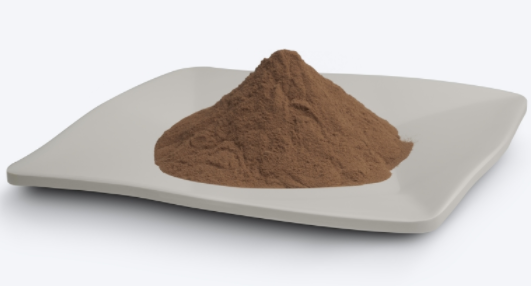
Appearance: Brown-black powder
Test method:UV/HPLC
Specification: Total hypericin UV 0.3% - 0.75%
Total hypericin (Hypericin+Pseudohypericin) HPLC 0.1-0.3%
Hyperforin HPLC 1% - 4%
Extract method: Ethanol&Water
Two factories & Three lines
Certifications: Halal,ISO9001,PAHS Free,NON-GMO,KOSHER,SC
Delivery term: DHL, FEDEX, Air freight,Sea freight
MOQ: 1KG
Description
Hypericum Perforatum Extract Supplier:
Hypericum Perforatum Extract is also called St. John's Wort extract. It is from the whole herb, with or without roots, of Hypericum perforatum. Guanjie Biotech has specialized in plant extracts for over 20 years, offering consistent quality and professional service. Our Hypericum Perforatum Extract powder is brown to black powder with available specifications of Total Hypericin (UV) 0.3%–0.75%, allowing flexible selection based on your formulation needs. We operate two independent factories, advanced laboratories, and a dedicated R&D team to ensure reliable production and testing. Our products are exported to more than 50 countries worldwide. If you are interested, please contact us at info@gybiotech.com for further details.
What Is Hypericum Perforatum Extract?
Hypericum perforatum extract is from the aerial parts of St. John's wort and standardized for key bioactive compounds. It typically contains about 10% tannins from the whole herb, which can yield anthocyanins after acid hydrolysis. The volatile oil fraction mainly includes pinene and sesquiterpenes. The resin portion provides antibacterial constituents such as hypericum resin I. In addition, the extract contains vitamin C, carotene, rutin (approximately 2% in leaves and 0.095% in flowers), hyperoside, and quercetin.
COA:
|
Item |
Specification |
Result |
Method |
|
Basic Product Information |
|||
|
Genus and Species |
Hypericum perforatum L. |
Conform |
/ |
|
Part of the Plant |
Herb with flowers |
Conform |
/ |
|
Country of Origin |
China |
Conform |
/ |
|
Marker Compounds |
|||
|
Assay(Hypericin) |
0.3% |
0.32% |
UV |
|
Organoleptic Data |
|||
|
Appearance |
Powder |
Conform |
/ |
|
Color |
Brownish black powder |
Conform |
/ |
|
Odor |
Characteristic |
Conform |
/ |
|
Taste |
Characteristic |
Conform |
/ |
|
Process Data |
|||
|
Method of Processing |
Extraction |
Conform |
/ |
|
Physical Characteristics |
|||
|
Particle Size (80 mesh) |
98.0%pass 80mesh |
Conform |
GB/T 5507-2008 |
|
Loss on Drying |
<5.0% |
2.60% |
GB/T 14769-1993 |
|
Ash Content |
<4.0% |
2.25% |
AOAC 942.05, 18th |
|
Heavy Metals |
|||
|
Total Heavy Metals |
<10ppm |
Conform |
USP<231>, method II |
|
As |
<1.0ppm |
Conform |
AOAC 986.15, 18th |
|
Pb |
<3.0ppm |
Conform |
AOAC 986.15, 18th |
|
Cd |
<1.0ppm |
Conform |
AOAC 986.15, 18th |
|
Hg |
<0.1ppm |
Conform |
AOAC 971.21, 18th |
|
Pesticide Residue |
|||
|
666 |
<0.2ppm |
Conform |
GB/T5009.19-1996 |
|
DDT |
<0.2ppm |
Conform |
GB/T5009.19-1996 |
|
Microbiology |
|||
|
Total Plate Count |
<1,000cfu/g |
Conform |
AOAC 990.12, 18th |
|
Total Yeast & Mold |
<100cfu/g |
Conform |
FDA (BAM) Chapter 18, 8th Ed. |
|
E. Coli |
Negative |
Negative |
AOAC 997.11, 18th |
|
Salmonella |
Negative |
Negative |
FDA (BAM) Chapter 5, 8th Ed. |
Specification:
|
Item |
Specification |
||||
|
Specification No |
1 |
2 |
3 |
4 |
5 |
|
Total hypericin UV |
≥ 0.3% |
≥0.3% |
≥0.45% |
≥0.6% |
≥0.75% |
|
Total hypericin HPLC |
≥0.12% |
≥0.12% |
≥0.2% |
≥0.2% |
≥0.3% |
|
Hyperoside HPLC |
≥0.7% |
≥0.7% |
≥1.0% |
≥1.2% |
≥1.2% |
|
Hyperforin HPLC |
≤6% |
≤6% |
≤6% |
≤6% |
≤6% |
|
Total flavonoids content (Calculated by rutin) |
≥6% |
≥6% |
≥6% |
≥6% |
≥6% |
|
Ash Content |
≤15% |
≤8% |
≤10% |
≤12% |
≤12% |
|
Appearance |
Brownish black, Brown, Brown-Yellow |
||||
|
Odor |
Fragrant and slightly bitter |
||||
|
Particle Size |
98.0%pass 80mesh |
||||
|
Bulk density |
35-60g/100ml |
||||
|
Loss on Drying |
≤5% |
||||
|
Solvent residue |
Ethanol ≤2000ppm;Methanol ≤500ppm |
||||
|
Heavy Metals |
≤10ppm |
||||
|
Pb≤2ppmCd≤2ppmAs≤2ppmHg≤0.1ppm |
|||||
What Are the Active Ingredients in Hypericum Perforatum Extract?
The primary active components of Hypericum perforatum extract are diacanthrone derivatives, mainly hypericin, pseudohypericin, protohypericin, and protopseudohypericin. In addition to these naphthodianthrones, the Hypericum Perforatum Extract contains significant levels of hyperforin and adhyperforin, which are considered key contributors to its biological activity. Various flavonoids, including kaempferol and luteolin, are also present, providing additional antioxidant properties. Together, these compounds create a synergistic phytochemical profile responsible for the extract's functional benefits.
What are the Composition Specifications of Hypericum Perforatum Extract?
Typical standardized specifications include: total hypericin (UV) at 0.3%–0.75%, total hypericin (hypericin plus pseudohypericin) by HPLC at 0.1%–0.3%, and hyperforin by HPLC at 1%–4%. These parameters ensure consistent potency, quality control, and suitability for nutraceutical or pharmaceutical applications.
How is Hypericum Perforatum Extract Produced?

How To Control Hypericum Perforatum Extract?
Guanjie Biotech maintains strict quality control standards to ensure Hypericum Perforatum Extract consistency, authenticity, and compliance with international requirements.
Total Hypericin Content
Total hypericin includes both hypericin and pseudohypericin, which are the primary active markers of Hypericum perforatum extract. The European Pharmacopoeia 8.0 specifies a minimum level of 0.1%. Our internal specification is set slightly higher than this requirement to provide improved potency and ensure stable efficacy across batches.
Hypericum perforatum Identification Component
According to European standards, the related component content should be below 6%. Our internal limit is tighter, controlled at less than 4%, reflecting higher purity. Additionally, the requirement of more than 0.5% for this characteristic compound confirms that the extract originates from genuine Hypericum perforatum raw material rather than adulterated or counterfeit sources.
Ash Content
Ash content is an important indicator of inorganic residue and overall product cleanliness. Our Hypericum Perforatum Extract products maintain ash levels below 10%, with premium grades controlled under 5%, demonstrating superior processing quality and reduced impurities.
Natural and blended products can be distinguished through dissolution color comparison in methanol, where visual differences help verify authenticity and the type of formulation.

What Is Hypericum Perforatum Extract Used For?
Support for Mild to Moderate Depression
Hypericum perforatum extract is most widely recognized for its use in managing mild to moderate depression. In several European countries, particularly Germany, it has been commonly prescribed as a phytomedicine option, including for younger populations such as children and adolescents under medical supervision. The proposed pharmacological mechanism involves inhibition of neurotransmitter reuptake, particularly serotonin, dopamine, and norepinephrine, which are closely associated with mood regulation. Active compounds such as hypericin and hyperforin are believed to contribute to these antidepressant effects by modulating synaptic neurotransmission and influencing neuroendocrine pathways.
Potential Benefits for Anxiety Symptoms
Hypericum perforatum extract has also attracted research interest for its possible anxiolytic (anti-anxiety) effects. Some clinical trials primarily focused on depression reported secondary improvements in anxiety symptoms among participants taking the extract. This suggests overlapping neurochemical pathways between depression and anxiety that may respond to the herb's bioactive compounds. However, current evidence remains limited and inconsistent, and more well-designed randomized controlled trials are required before definitive conclusions can be established regarding its efficacy for anxiety disorders.
Research in Obsessive-Compulsive Disorder (OCD)
The St. John's Wort extract has been investigated as a potential complementary approach for obsessive-compulsive disorder (OCD), largely because conventional OCD treatments frequently involve antidepressant medications that act on serotonin pathways. Preliminary research initially showed promising outcomes, generating scientific interest. However, subsequent controlled studies did not demonstrate significant superiority over placebo. Therefore, while a mechanistic rationale exists, current evidence does not support Hypericum perforatum extract as a reliable treatment for OCD.
Topical Applications for Skin and Nerve-Related Conditions
Historically, St. John's wort oil has been used in traditional medicine as a topical remedy for skin injuries, burns, nerve pain, hemorrhoids, and minor wounds. Modern formulations include oils, creams, and ointments standardized to hypericin or hyperforin content. These compounds are associated with anti-inflammatory, antimicrobial, and tissue-repair properties. Additionally, the plant contains tannins, naturally occurring polyphenolic compounds that may help reduce skin irritation and promote healing in superficial cuts or abrasions. Although widely used in herbal practice, clinical evidence remains moderate, and product quality varies significantly across manufacturers.
Use in Ear Pain and Otitis Media
Some alternative medicine practitioners recommend St. John's wort-containing formulations for ear pain associated with otitis media (middle ear infection). A clinical study involving more than 100 pediatric patients evaluated an herbal ear drop combination containing St. John's wort, garlic, calendula, and mullein. The results indicated comparable effectiveness to conventional anesthetic ear drops in reducing pain symptoms. While encouraging, such combination products make it difficult to isolate the specific contribution of Hypericum perforatum alone, and further research is needed.
Exploration in Smoking Cessation
Hypericum perforatum extract has also been explored as a potential aid for smoking cessation due to its influence on neurotransmitters related to reward pathways and mood stabilization. Preliminary findings suggest possible benefits in reducing nicotine withdrawal symptoms and cravings. Nevertheless, existing studies are limited in size and methodological rigor, so stronger clinical evidence is necessary before St. John's Wort extract powder can be recommended as a smoking cessation intervention.
Investigation in Other Psychophysiological Conditions
Researchers are also examining the Hypericum Perforatum Extract powder for conditions that involve psychological or neuroendocrine symptoms, including insomnia, menopausal symptoms, premenstrual syndrome (PMS), seasonal affective disorder (SAD), and attention deficit disorders. These investigations are based on their potential impact on circadian rhythms, hormonal modulation, and neurotransmitter balance. However, the current body of evidence remains insufficient, and additional large-scale, controlled studies are required to determine safety, optimal dosing, and therapeutic effectiveness for these indications.
Factory&Team:

Certification

Package & Shipment

Hot Tags: hypericum perforatum extract, China hypericum perforatum extract manufacturers, suppliers, factory, Sodium Copper Chlorophyllin Powder, Hydroxytyrosol Powder, L Arginine Base Powder, pure bulk fisetin, Natural Beta Carotene Powder, bulk stevia powder
You Might Also Like