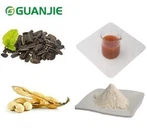
Vitamin B3 powder commonly used in skincare refers to niacinamide (nicotinamide), the amide form of vitamin B3. In vitamin B3 niacinamide powder form, it's a versatile, stable, and cost-effective raw material that can be mixed into serums, creams, masks, and toners. So this passage will talk about why Vitamin B3 powder can be used and how to use Vitamin B3 powder for skin.
Why is Vitamin B3 powder used for Skin?
Niacinamide is the active, water-soluble form of vitamin B3. Its efficacy is not based on a single, miraculous function but on its role as a crucial cellular cofactor. Niacinamide B3 powder participates in over 200 enzymatic reactions in the body, many of which are directly related to skin health. Its mechanism of action is multi-targeted, addressing a wide spectrum of skin concerns through fundamental biochemical pathways.

Barrier Function Repair and Hydration
The skin's barrier, the stratum corneum, is our first line of defense against environmental aggressors, pollution, and transepidermal water loss (TEWL). A compromised barrier leads to dry, sensitive, and reactive skin.
• Ceramide Synthesis:
Vitamin b3 niacinamide powder has been scientifically proven to boost the skin's production of ceramides, which are the essential lipids that act as the "mortar" between the "bricks" of skin cells. By increasing ceramide levels, niacinamide reinforces the skin's barrier, making it more resilient and better able to retain moisture. Studies have shown that topical application can lead to a significant reduction in TEWL and improved skin hydration.
• Anti-Inflammatory Properties:
A strong barrier is less prone to inflammation. Niacinamide exerts anti-inflammatory effects by inhibiting the activation of inflammatory cytokines and pathways, making it highly beneficial for conditions like acne, rosacea, and general redness.
Sebum Regulation and Pore Refinement
For those with oily and combination skin, niacinamide is a game-changer.
• Sebum Production:
Research indicates that vitamin B3 niacinamide powder can reduce sebum production. A study published in the Journal of Cosmetic and Laser Therapy found that a 2% niacinamide formulation applied twice daily for four weeks led to a significant reduction in sebum excretion rates. It doesn't "dry out" the skin but rather normalizes oil production, bringing it to a balanced state.
• Pore Appearance:
Pores appear larger when they are stretched with excess sebum and dead skin cells. By regulating oil and promoting better skin elasticity, vitamin B3 powder for skin helps to tighten the pore openings, making them less visible.
Hyperpigmentation and Uneven Skin Tone
Niacinamide interferes with the process of melanogenesis (the production of pigment) at a key point.
• Inhibition of Melanosome Transfer:
Melanin is produced in melanocytes and then packaged into vesicles called melanosomes, which are transferred to surrounding skin cells (keratinocytes). Niacinamide does not kill melanocytes or bleach the skin; instead, it inhibits the transfer of these pigment-filled packets from the melanocytes to the keratinocytes. This results in a gradual, uniform lightening of dark spots, sun damage, and post-inflammatory hyperpigmentation (PIH) without the risk of cytotoxicity associated with some harsher ingredients.
Anti-Aging and Collagen Stimulation
As a potent antioxidant, niacinamide combats the visible signs of aging.
• Antioxidant Activity:
Vitamin B3 niacinamide powder helps to neutralize reactive oxygen species (ROS) generated by UV exposure and pollution. This oxidative stress breaks down collagen and elastin, leading to wrinkles and sagging skin.
• Collagen Production:
By mitigating this damage and supporting cellular energy metabolism, niacinamide promotes the production of Type I and Type III collagen, as well as other proteins like keratin and filaggrin. This leads to an improvement in skin elasticity, a reduction in the appearance of fine lines and wrinkles, and overall firmer, plumper skin.
Protection Against Photo-Damage
While not a substitute for sunscreen, niacinamide provides a complementary layer of defense.
• DNA Repair:
It has been shown to enhance the skin's own DNA repair mechanisms, helping to correct damage caused by UV radiation before it can lead to mutations and visible signs of photo-aging.
• Reducing Carcinogenesis:
Some studies suggest that its anti-inflammatory and antioxidant properties may play a role in reducing the risk of non-melanoma skin cancers.

Why Use the Powder Form?
• Maximum Potency and Customization:
You have complete control over the concentration, allowing you to tailor it to your skin's specific needs and tolerance.
• Purity and Minimalism:
You avoid potential irritants, preservatives, fragrances, or other inactive ingredients found in commercial products that may not agree with your skin.
• Cost-Effectiveness:
A small amount of vitamin b3 niacinamide powder can last a very long time and is often more economical than purchasing multiple high-potency serums.
• Versatility:
You can mix it into any water-based product you already own and trust, from toners and essences to moisturizers.
How To Use Vitamin B3 Powder For Skin?
As a skincare manufacturer, using Vitamin B3 Niacinamide powder is an excellent way to create potent, stable, and cost-effective formulations (niacin powder for skin). Here is a comprehensive guide on how to effectively and safely incorporate it into your products.
How To Choose Vitamin B3 Powder Raw Material?
The foundation of a high-quality vitamin b3 niacinamide powder product is a high-quality raw material. Source Vitamin B3 Powder that is USP/BP grade with a purity exceeding 99.5%. It is imperative to obtain a Certificate of Analysis (CoA) for every batch, which verifies critical parameters including identity, assay purity, heavy metal content (e.g., lead, arsenic), and microbiological limits. This documentation is not just a quality check; it is a prerequisite for regulatory compliance and brand integrity. If you need bulk Vitamin B3 powder, you can consider Guanjie Biotech. We strictly control our products from the raw material to the final products. Welcome to enquire with info@gybiotech.com. Our niacinamide powder bulk products pass HAHAL, HACCP, KOSHER, ISO and others.
Strategic Formulation and Incorporation
The efficacy and stability of your final product hinge on precise formulation protocols.
• Concentration Strategy:
Niacinamide is effective across a range of concentrations. A 2-5% concentration is ideal for foundational benefits: enhancing the skin barrier, reducing redness, and providing antioxidant protection. For targeted solutions like pronounced sebum regulation and minimizing the appearance of pores, concentrations of 5% to 10% vitamin b3 niacinamide powder are effective but require careful balancing to minimize potential irritation. Formulations above 10% are not recommended for the general consumer market due to a heightened risk of irritation.
• pH and Stability:
Niacinamide is most stable within a pH range of 5.0 to 7.0, which conveniently aligns with the skin's natural pH. A critical stability concern is its hydrolysis into nicotinic acid under strongly acidic conditions (pH < 4.0), which can cause transient skin flushing and redness. Therefore, the final pH of the formulation must be carefully adjusted and confirmed to remain within the optimal window.

• Manufacturing Process:
Vitamin B3 niacinamide powder is highly water-soluble and is incorporated during the water-phase manufacturing. Standard procedure involves heating the deionized water to 70-75°C (158-167°F) to dissolve other ingredients and ensure microbiological control. The Vitamin B3 Powder is then added under constant, robust agitation until a clear, colorless solution is achieved. This aqueous solution is then combined with the oil phase in emulsions or used as-is for serums and toners.
Ingredient Compatibility and Synergy
A key strength of vitamin B3 niacinamide powder is its compatibility with a wide range of ingredients, allowing for powerful synergistic formulations.
• Synergistic Partners:
It works exceptionally well with ingredients like Zinc PCA for oil control, Panthenol (Vitamin B5) for healing and hydration, and licorice root extract for brightening. Combining it with barrier-supporting agents like ceramides and fatty acids creates a comprehensive barrier-repair product.
• Navigating the Vitamin C Question:
The long-held belief that Niacinamide and L-Ascorbic Acid (Vitamin C) are incompatible is nuanced. While they can form a complex under extreme conditions of heat, low pH, and metal ions, it is possible to co-formulate them stably. However, for most manufacturers, the most straightforward and risk-averse strategy is to create separate, high-potency products-such as a Niacinamide serum for daily use and a Vitamin C serum for the morning routine.
• Caution with Potent Acids:
Formulating Niacinamide with strong AHAs or BHAs requires careful pH management. If the final product's pH drops too low, it increases the risk of nicotinic acid formation. If creating an acid-and-Niacinamide blend, ensure the final pH is buffered to stay above 4.0 and conduct extensive human repeat insult patch testing (HRIPT) to rule out flushing reactions.
Non-Negotiable Testing and Validation
For any manufacturer, launching a product without comprehensive testing is a significant liability.
• Stability Testing:
Conduct accelerated stability tests (e.g., 1-3 months at 40°C/75% RH) and long-term real-time studies. Monitor for physical changes (color, viscosity) and, crucially, assay the vitamin B3 niacinamide powder potency via HPLC to ensure it remains within specification over the product's shelf life.
• Preservative Efficacy Test (PET):
Challenge the preservative system to ensure it can withstand microbial contamination.
• Clinical Efficacy Studies:
To substantiate marketing claims, invest in instrumental testing (e.g., corneometry for hydration, sebumetry for oil control) and dermatologist-graded clinical studies.
By adhering to these guidelines-prioritizing quality control, mastering the formulation science, and validating with rigorous testing-a manufacturer can confidently leverage Vitamin B3 powder to create a line of sophisticated, effective, and reliable skincare products that stand out in a competitive market.
Conclusion:
Vitamin B3 niacinamide powder is a multifaceted skincare ingredient that effectively improves barrier function, regulates oil, reduces hyperpigmentation, and combats aging through its fundamental role in cellular processes. For manufacturers, the powder form offers superior customization, potency, and cost-efficiency. Successful formulation requires sourcing high-quality material, maintaining a pH between 5.0 and 7.0 to ensure stability and prevent irritation, and carefully considering ingredient synergies. Ultimately, through precise incorporation and rigorous testing, vitamin B3 powder can be leveraged to create sophisticated, high-performance skincare products that deliver proven, multi-targeted benefits for a wide range of skin concerns.
Using a non-cosmetic, industrial-grade powder poses significant risks of contamination and irritation. So sourcing a dedicated and transparent supplier is critical. Guanjie Biotech is a specialized bulk vitamin B3 powder supplier, ensuring that formulators and brands have access to a product that meets stringent quality and safety standards, which is a principle that should extend to the individual consumer. We can provide you with vitamin B3 niacinamide powder products that can suit you. Welcome to enquire with us at info@gybiotech.com.
References
[1] Bissett, D. L., Miyamoto, K., Sun, P., Li, J., Berge, C. A. (2004). Topical niacinamide reduces yellowing, wrinkling, red blotchiness, and hyperpigmented spots in aging facial skin. International Journal of Cosmetic Science, 26(5), 231–238.
[2] Draelos, Z. D. (2013). The multifunctional role of niacinamide in skin care. Journal of Clinical and Aesthetic Dermatology, 6(12), 16–22.
[3] Gehring, W. (2004). Nicotineamide in dermatology. Journal of Cosmetic Dermatology, 3(2), 88–93.
[4] Tanno, O., Ota, Y., Kitamura, N., Katsube, T., & Inoue, S. (2000). Nicotineamide increases ceramide synthesis in cultured human keratinocytes and enhances epidermal permeability barrier function in vivo. Journal of Investigative Dermatology, 115(5), 953–958.
[5] Draelos, Z. D., Ertel, K. D., Berge, C. A. (2006). Niacinamide-containing facial moisturizer improves skin barrier and appearance. Dermatologic Surgery, 32(7), 998–1005.
[6] Shalita, A. R., Smith, J. G., Parish, L. C., Sofman, M. S., Chalker, D. K. (1995). Topical nicotinamide compared with clindamycin gel in the treatment of inflammatory acne vulgaris. International Journal of Dermatology, 34(6), 434–437.
[7] Draelos, Z. D., Carter, E., Maloney, J. M. (2006). Clinical evaluation of a niacinamide-containing facial moisturizer for improvement of sebum regulation and pore size. Journal of Cosmetic and Laser Therapy, 8(2), 96–101.
[8] Hakozaki, T., Minwalla, L., Zhuang, J., Chhoa, M., Matsubara, A., Miyamoto, K., & Bissett, D. L. (2002). The effect of niacinamide on reducing cutaneous pigmentation and suppression of melanosome transfer. British Journal of Dermatology, 147(1), 20–31.
[9] Kang, S., Fisher, G. J., Voorhees, J. J. (2009). Photoaging and topical niacinamide: mechanisms and benefits. Dermatologic Therapy, 22(5), 350–356.
[10] Yoon, H. S., Cho, H. H., Cho, S., Lee, S. R., Shin, C. Y., & Chung, J. H. (2015). Effects of niacinamide on fine lines and wrinkles, skin elasticity, and barrier function in aged skin. Dermatologic Surgery, 41(5), 524–531.
[11] Chen, A. C., Martin, A. J., Choy, B., Fernández-Peñas, P., Dalziell, R. A., McKenzie, C. A., ... & Damian, D. L. (2015). A phase 3 randomized trial of nicotinamide for skin-cancer chemoprevention. New England Journal of Medicine, 373(17), 1618–1626.
[12] Rawlings, A. V., & Harding, C. R. (2004). Moisturization and skin barrier function. Dermatologic Therapy, 17(Suppl 1), 43–48.
[13] Draelos, Z. D. (2019). Niacinamide: a versatile ingredient for dermatologic and cosmetic formulations. Journal of Drugs in Dermatology, 18(9), s96–s100.