What Are Soy Isoflavones Benefits In Skin Care?
Strong Antioxidant Activity Helps Resist Photoaging
Natural soy isoflavones have strong antioxidant properties. They help remove free radicals from the skin surface and deeper skin layers. They reduce oxidative stress and lower UV damage to skin cells. This helps slow down the photoaging process. Pure soy isoflavones also increase the activity of antioxidant enzymes in the skin. This strengthens the skin's natural defense system. It helps reduce damage caused by environmental stress. Long-term use may improve roughness, dullness, and sagging skin. It helps keep the skin looking younger.
Supports Skin Metabolism and Helps Delay Skin Aging
Soy isoflavones belong to the phytoestrogen family. They can bind to estrogen receptors in skin tissue. This helps regulate skin metabolism. When estrogen levels decrease, non gmo soy isoflavones may support fibroblast activity. They help promote the production of collagen, elastin, and hyaluronic acid. This can improve skin firmness and moisture. Natural soy isoflavones may reduce dryness, fine lines, and sagging skin. Soy isoflavones may also help balance oil and water levels in the skin. This can improve roughness and unstable skin conditions. Unlike some chemical anti-aging ingredients, soy isoflavones are gentle and less irritating. They are suitable for many skin types, including mature and sensitive skin.
Anti-Inflammatory
Skin sensitivity, redness, and barrier damage can be linked to inflammation and poor skin cell turnover. Soy isoflavones may help reduce inflammatory activity in the skin. They can lower skin sensitivity to external stress. This ingredient may relieve redness, dryness, burning, and stinging caused by UV exposure, dry environments, and skincare products. Soy isoflavones also support normal skin cell renewal. This helps repair the skin barrier. They improve the skin's ability to retain moisture and protect itself. They may reduce dryness, flaking, and sensitive skin problems. Natural soy isoflavones powder is suitable for soothing and repair skincare products designed for sensitive skin.
Reduce Melanin Formation and Improve Skin Tone
Soy isoflavones may help reduce tyrosinase activity in the skin. This can slow melanin production and reduce pigment buildup. It may help improve dark spots, acne marks, and uneven skin tone. Compared with some traditional whitening ingredients, soy isoflavones are gentler and less irritating. They also provide antioxidant and skin repair benefits. Natural soy isoflavones powder can be used in products such as serums, creams, lotions, and face masks. They support multiple skincare goals, including repair, brightening, and anti-aging.
How To Use Soy Isoflavones In Skin Care?
Pure Soy isoflavone powder offers controllable purity, easy storage, and simple formulation. These advantages make it a common choice for industrial skincare production. However, this raw material also has some challenges. Bulk soy isoflavones powder has poor solubility, needs good formula compatibility, and has limits on the amount that can be added. Skincare companies should carefully control formula development, production, and storage conditions to ensure product stability and safety.
Strict Soy Isoflavones Control

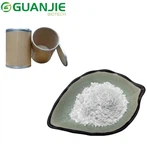
Soy isoflavone powder is available in different specifications. The level of active ingredients and impurities can vary. These differences affect product safety and performance. Low-purity materials may contain soy protein, polysaccharides, and other impurities. These substances may increase the risk of skin sensitivity. They may also reduce formula stability and cause turbidity or separation. Companies should choose suitable specifications based on product needs. High-end anti-aging and whitening products usually need high-purity materials. Guanjie Biotech supplies bulk soy isoflavone powder with stable quality and controlled impurities.
Optimize Formula Solubility and Compatibility
Natural soy isoflavones powder has poor water solubility. It is only slightly soluble in oil. Direct addition may cause precipitation, clumping, and uneven distribution. These issues can affect product texture and performance. Formula development should improve dispersibility and skin absorption through process optimization. Common methods include ethanol solubilization, oil dispersion, microencapsulation, and emulsification homogenization. These processes help evenly distribute active ingredients in emulsions and creams. The pH of the formula is also important. Natural soy isoflavone powder is more stable in neutral and weakly acidic systems. Strong acidic or alkaline environments can damage the active ingredients. The pH value should remain between 5.5 and 7.0 to maintain activity.
Follow Industry Standards and Control Dosage
Soy isoflavones are functional plant ingredients. Higher amounts do not always provide better results. Excessive use may increase skin burden and cause discomfort.
According to cosmetic application standards, the typical addition level in leave-on skincare products is 0.05%–1%. The effective level of the main active ingredient, genistein, should remain below 0.007%.
Formula development should follow dosage standards carefully. The amount should match the natural soy isoflavones product type and intended function. Excessive use may reduce ingredient activity, create a sticky texture, and lower product safety. Proper dosage also supports compliance with market regulations.
Control Production and Storage Conditions
Bulk soy isoflavone powder is sensitive to light, temperature, and humidity. Long exposure to heat, moisture, and light can lead to oxidation and degradation. This reduces product effectiveness.
During production, opening, mixing, and stirring should take place in clean, cool, dry, and low-light environments. Long exposure to air should be avoided. Skincare products should use light-resistant packaging. Storage temperature should stay below 25°C. Avoid direct sunlight and high temperatures.
Natural soy isoflavones raw materials should be stored in sealed and moisture-proof containers. This prevents moisture absorption, clumping, and mold growth. Proper storage helps maintain stable activity and consistent quality.

Use Proper Formula Combinations
Natural soy isoflavones powder works well with many plant extracts, moisturizers, and repair ingredients. Examples include hyaluronic acid, ceramides, vitamin C, and centella asiatica extract. These combinations may improve anti-aging, repair, and whitening effects. However, avoid combining natural soy isoflavones with strongly alkaline ingredients or high-concentration acidic ingredients. These materials may damage the molecular structure and reduce activity. Formula systems should also undergo stability and skin irritation testing. These tests help confirm safety and support large-scale production needs.
Conclusion
Natural soy isoflavones offer many benefits, including antioxidant, whitening, moisturizing, and oil-control effects. They have strong potential in functional skincare products. However, their solubility and stability challenges require careful formulation work.
Guanjie Biotechn is committed to supplying high-purity, high-activity, and easy-to-use natural soy isoflavone powder. We also provide free samples for formulation testing. Please contact our expert team for more information.
References:
[1] Huang ZR, Hung CF, Lin YK, Fang JY. In vitro and in vivo evaluation of topical delivery and potential dermal use of soy isoflavones genistein and daidzein. International Journal of Pharmaceutics. 2008;364(1):36-44. DOI: 10.1016/j.ijpharm.2008.08.002
[2] Huang CC, Hsu BY, Wu NL, et al. Anti-photoaging effects of soy isoflavone extract (aglycone and acetylglucoside form) from soybean cake. International Journal of Molecular Sciences. 2010;11(12):4782-4795. DOI: 10.3390/ijms11124782
[3] Del Gaudio P, Russo P, Rodriguez Dorado R, et al. Submicrometric hypromellose acetate succinate particles as a carrier for soy isoflavones extract with improved skin penetration performance. Carbohydrate Polymers. 2017;165:22-29.
[4] Corti M, Annunziata F, Colacicco A, et al. Enzymatic Deglycosylation and Lipophilization of Soy Glycosides into Value-Added Compounds for Food and Cosmetic Applications. ACS Omega. 2025;10(12):12417-12424. DOI: 10.1021/acsomega.4c11325
[5] Huang ZR, Hung CF, Lin YK, Fang JY. In vitro and in vivo evaluation of topical administration of soybean isoflavones genistein and daidzein and their potential for skin application. International Journal of Pharmaceutics. 2008;364(1):36-44. DOI: 10.1016/j.ijpharm.2008.08.002
[6] Huang CC, Hsu BY, Wu NL et al. Anti-photoaging effects of isoflavone extracts (aglycone type and acetylglucoside type) from soybean cake. International Journal of Molecular Sciences. 2010;11(12):4782-4795. DOI: 10.3390/ijms11124782
[7] Del Gaudio P, Russo P, Rodriguez Dorado R et al. Submicron-sized hydroxypropyl methylcellulose acetate succinate particles as carriers of soybean isoflavone extracts to improve skin permeability. Carbohydrate Polymers. 2017;165:22-29.
[8] Nemitz MC, Yatsu FKJ, Bidone J et al. A universal, stability-indicating high-throughput ultra-fast liquid chromatography method for the determination of isoflavone aglycones in soybean, topical formulations and permeation tests. Talanta. 2015;134:183-193. DOI: 10.1016/j.talanta.2014.10.062
[9] Corti M, Annunziata F, Colacicco A et al. Enzymatic desaccharification and lipophilicization of soybean glycosides for the preparation of high-value-added compounds in the food and cosmetic fields. ACS Omega. 2025;10(12):12417-12424. DOI: 10.1021/acsomega.4c11325
[10] Isoflavone-containing soy protein improves facial photoaging signs and skin hydration in postmenopausal women: Results of a prospective randomized double-blind controlled trial. PubMed. 2023. PMID: 37836398
[11] In vitro and in vivo anti-photoaging effects of isoflavone extracts from soybean cake. PubMed. 2009. PMID: 19679176