Pure Spermidine powder is a naturally occurring polyamine compound that plays a crucial role in cellular growth, proliferation, and aging. As a bioactive molecule found in all living organisms, spermidine is essential for the maintenance of cellular homeostasis and longevity. But what exactly is spermidine made of?

Chemical Structure of Spermidine
Pure spermidine powder is an organic compound belonging to the polyamine family-a group of molecules characterized by multiple amine (-NH₂) functional groups. Its chemical formula is:
C₇H₁₉N₃
It consists of a linear carbon chain with three amine groups spaced along it[1]. Specifically, spermidine is structured as:
H₂N-(CH₂)₃-NH-(CH₂)₄-NH₂
This structure includes:
•A 1,3-diaminopropane segment on one end.
•A 1,4-diaminobutane portion (putrescine) as a core.
•A secondary amine (-NH-) linking the two.

This composition gives spermidine its cationic (positively charged) nature at physiological pH, allowing it to interact with negatively charged molecules like DNA, RNA, and phospholipids.
How Is Spermidine Formed in Nature?
Spermidine is not directly synthesized from a single compound; rather, it is produced through a carefully regulated biosynthetic pathway involving several intermediary molecules and enzymes. The two primary precursors involved in spermidine formation are putrescine and decarboxylated S-adenosylmethionine (dcSAM).
Putrescine (C₄H₁₂N₂) is a simple diamine that originates from the amino acid ornithine. This conversion is catalyzed by the enzyme ornithine decarboxylase (ODC), which removes a carboxyl group from ornithine to yield putrescine. Putrescine serves as the fundamental backbone in polyamine biosynthesis and is the first polyamine formed in this metabolic chain.
Simultaneously, another molecule called S-adenosylmethionine (SAM) undergoes decarboxylation by SAM decarboxylase (SAMDC) to produce dcSAM, a high-energy molecule that donates an aminopropyl group during the synthesis of higher polyamines[2].
The final step in spermidine biosynthesis is carried out by the enzyme spermidine synthase (SPDS). In this reaction, the aminopropyl group from dcSAM is transferred to putrescine, forming spermidine.
This multi-step biosynthetic process is highly conserved across living organisms, including bacteria, fungi, plants, and animals-humans included. In eukaryotic cells, this pathway occurs mainly in the cytosol and is tightly regulated, as polyamines like pure spermidine powder are essential for a variety of cellular processes. These include DNA stabilization, regulation of gene expression, support of cell proliferation, and induction of autophagy, a crucial mechanism for clearing damaged cellular components.
Given its importance in maintaining cellular health and longevity, the body carefully controls spermidine synthesis based on metabolic demand, developmental stage, and environmental cues. This ensures that cells maintain an optimal balance of polyamines necessary for growth, repair, and survival.
Spermidine in the Human Body
Pure spermidine powder is synthesized inside human cells and also absorbed through the gastrointestinal tract when consumed from food. Once inside the body, spermidine:
Module title
Supports cellular proliferation.
Regulates autophagy, a vital process for clearing damaged cell components.
Helps maintain DNA stability and gene expression.
Contributes to neuroprotection and cardiovascular health.
It is stored in tissues like the liver, kidney, spleen, and intestinal lining, and distributed throughout the bloodstream.
How Is It Made Commercially?
The commercial production of pure spermidine powder involves three main approaches: extraction from natural sources, chemical synthesis, and microbial fermentation. Each method has its advantages and challenges, depending on the intended application, such as dietary supplements, cosmetics, or pharmaceutical research.
Extraction from Natural Sources
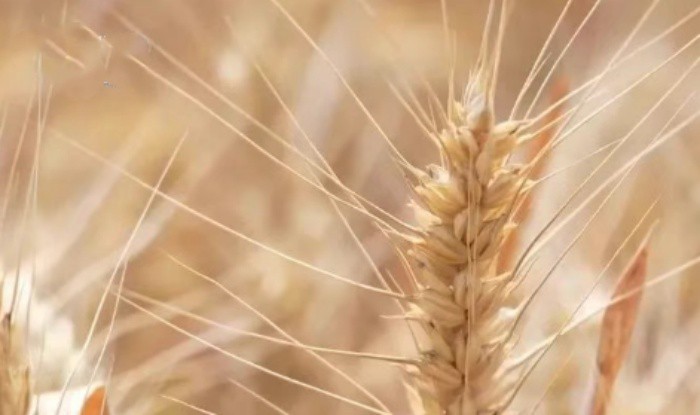
One of the most common methods for obtaining pure spermidine powder is plant extraction, especially from materials naturally rich in polyamines. Examples include wheat germ, soybeans, and mushrooms. The general process involves:
•Raw material preparation:
Cleaning and grinding of plant material to increase surface area.
•Solvent extraction:
Using water, ethanol, or a mixture to extract spermidine from the plant matrix.
•Filtration and concentration:
Removing plant solids and concentrating the liquid extract.
•Purification:
Employing techniques such as ion-exchange chromatography or membrane filtration to isolate spermidine with high purity.
While this method uses natural sources and is considered clean-label, the concentration of spermidine in plants is relatively low, making large-scale production more resource-intensive and less consistent.
Chemical Synthesis
Bulk Spermidine powder can also be produced through synthetic organic chemistry in laboratory or industrial settings.
The process typically involves:
•Stepwise alkylation and amination reactions, where putrescine or similar diamines are chemically modified to build the spermidine molecule[7].
•Use of reactive intermediates and strict environmental controls to ensure reaction efficiency and product purity[6].
However, chemical synthesis is not widely adopted for large-scale production due to its high cost, multi-step complexity, and the need for careful removal of residual solvents or byproducts. It is mainly used for research-grade spermidine or in highly regulated pharmaceutical applications.


Fermentation Technology
Modern biotechnology enables the production of spermidine using microbial fermentation. In this process, engineered strains of bacteria or yeast are used to overproduce spermidine by enhancing the polyamine biosynthesis pathway[3]. Guanjie Biotech is a pure spermidine powder supplier. We also use this method.
Microorganisms are cultivated in controlled bioreactors with nutrient-rich media.
Key enzymes like ornithine decarboxylase and spermidine synthase are overexpressed to increase yield.
The fermented broth is filtered and purified to isolate spermidine[4].
This method is becoming the preferred commercial approach due to its scalability, eco-friendliness, and ability to produce high-purity, bioactive pure spermidine powder suitable for food-grade or pharmaceutical use[5]
Advantages of Biosynthetic vs Chemical Production
Biosynthesis and fermentation methods are preferred for producing pure spermidine powder used in supplements and research due to higher purity, bioactivity, and sustainability
Forms of Spermidine Supplements
Spermidine bulk powder supplements are available in a variety of forms, each designed to help restore or maintain optimal levels of this important polyamine, particularly as natural production declines with age. The most widely used and commercially available forms include:
Wheat Germ Extract Powder:
This is one of the most popular natural sources of spermidine. The extract is typically standardized to contain 1% to 3% spermidine, ensuring consistent potency. It is often used in functional foods, beverages, or encapsulated directly for dietary supplements. Wheat germ-based spermidine is valued for being plant-derived and minimally processed.
Capsules and Tablets:
Pure spermidine powder is frequently formulated into easy-to-consume capsules or tablets, ideal for daily supplementation. These may contain purified wheat germ extract or synthetic spermidine, and are sometimes combined with other polyamines like spermine and putrescine to enhance efficacy through synergistic effects. Some formulations also include supporting nutrients such as zinc or magnesium.
Synthetic Spermidine Dihydrochloride Powder:
For scientific research and high-purity formulations, synthetic spermidine dihydrochloride powder is used. This form offers excellent consistency and stability, making it ideal for laboratory use or precision-formulated nutraceuticals. Spermidine is made of a simple but powerful molecular structure, built from naturally occurring amines like putrescine and aminopropyl groups. Biosynthesized in all living cells, its production involves complex enzymatic pathways, and it plays a central role in vital biological functions. While it is produced internally by the body, pure spermidine powder is also widely available in foods and supplements.
Understanding what spermidine is made of reveals why it is so essential for cellular health, aging management, and nutritional science. With growing research supporting its benefits, the demand for high-quality, stable spermidine-whether from plants, fermentation, or chemical synthesis-continues to rise. Whether you obtain it from food or supplements, spermidine is important in the field of healthy aging.
References:
[1]PubChem (CID 1102) provides the 2D and 3D chemical structure depictions, along with synonyms and identifiers (e.g., 1,5,10-triazadecane, N-(3-aminopropyl)butane-1,4-diamine)
[2]Enzymatic Mechanism The enzyme spermidine synthase (EC 2.5.1.16) catalyzes the formation of spermidine from putrescine and dcSAM. This process is conserved across bacteria, fungi, plants, and animals.
[3]Biosynthetic Production (Microbial Fermentation & Metabolic Engineering) Highly efficient biosynthesis of spermidine from L-homoserine and putrescine using an engineered Escherichia coli with an NADPH self-sufficient system
[4]Luo et al. (2022), Applied Microbiology and Biotechnology, Demonstrate a genetically modified E. coli strain that efficiently converts L-homoserine and putrescine into spermidine via a self-sufficient NADPH regeneration system.
[5]Zhao et al. (2025), ACS Synthetic Biology, Describe the iterative integration expression of key biosynthetic genes in B. amyloliquefaciens to enhance spermidine yield.
[6]Santhakumari (2012), Oriental Journal of Chemistry. Synthesis of Spermidine using Solid-Phase Synthetic Strategy.
[7]Khomutov et al. (2019), Russian Journal of Bioorganic Chemistry. C-Methylated Spermidine Derivatives: Convenient Syntheses and Biological Activity.