


Mechanism of action of ursodeoxycholic acid UDCA involves its effects on bile acid metabolism, liver function, and inflammation. Ursodeoxycholic acid powder, with a high purity of >99%, is white or off-white powder provided by Guanjie. And if you want to know more details, you can enquiry our our specialists at info@gybiotech.com. UDCA has several different mechanisms of action, each contributing to its therapeutic benefits.

Is Ursodeoxycholic Acid a Steroid?
UDCA is a bile corrosive that is normally created in the liver from cholesterol. It is likewise accessible as a manufactured structure and is regularly utilized in medication. While UDCA has specific underlying likenesses to steroids, it isn't delegated a steroid itself. In this reaction, I will give a nitty gritty clarification of UDCA, its compound design, capabilities, clinical purposes, and its disparities from steroids.
Synthetically, UDCA is a 7β-hydroxy-steroid with a cholic corrosive spine. It is an optional bile corrosive, implying that it is shaped by bacterial digestion in the digestion tracts. UDCA varies from essential bile acids, for example, cholic corrosive and chenodeoxycholic corrosive, in the place of the hydroxyl bunch on the B-ring. This underlying contrast gives UDCA remarkable properties and health advantages.
UDCA is basically known for its hepatoprotective properties, and that implies it shields liver cells from harm. It has been broadly considered and is generally utilized in the treatment of different liver illnesses, including essential biliary cholangitis (PBC), essential sclerosing cholangitis (PSC), and non-alcoholic greasy liver sickness (NAFLD). UDCA works by diminishing the degrees of poisonous bile acids, advancing the progression of bile, and lessening irritation in the liver.
Notwithstanding its hepatoprotective impacts, ursodeoxycholic acid UDCA additionally has other helpful properties. It has been displayed to have calming, immunomodulatory, and against apoptotic impacts, meaning it can diminish aggravation, adjust the invulnerable reaction, and forestall cell passing. These properties make UDCA useful in the treatment of conditions like fiery gut illness and gallstone disintegration.
Despite the fact that UDCA has a few primary likenesses to steroids, it varies in its system of activity and restorative purposes. Steroids are a class of natural mixtures with a trademark four-ring structure. They follow up on cells by restricting to explicit receptors and regulating quality articulation. Steroids have many physiological capabilities and are utilized in medication for their powerful mitigating and immunosuppressive impacts.
UDCA, then again, doesn't communicate straightforwardly with steroid receptors and doesn't have similar immunosuppressive properties. Its belongings are essentially interceded through its activities on bile corrosive digestion, liver capability, and irritation. While both UDCA and steroids can make calming impacts, they target various pathways and have different clinical applications.
Is Ursodeoxycholic Acid An Antibiotic?
Ursodeoxycholic Acid UDCA isn't delegated an anti-microbial. While UDCA has different restorative properties and is utilized to treat specific ailments, it doesn't have the qualities or components of activity normally connected with anti-infection agents. In this reaction, I will give an extensive clarification of what UDCA is, its capabilities, clinical purposes, and the differentiations among UDCA and anti-infection agents.
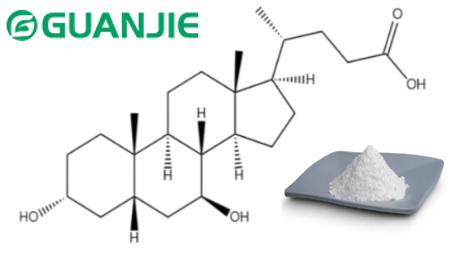
UDCA is a bile corrosive that is normally created in the liver from cholesterol. It is named an optional bile corrosive, meaning it is framed by bacterial digestion in the digestive organs. UDCA has a synthetic construction that is unmistakable from anti-infection agents. It is a 7β-hydroxy-steroid with a cholic corrosive spine. This primary plan gives UDCA one of a kind properties and remedial advantages.
The essential capability of UDCA is to advance the progression of bile, a stomach related liquid that guides in the retention of fats and fat-solvent nutrients. It additionally assists with controlling cholesterol digestion in the liver. UDCA has been broadly examined and is usually utilized in the treatment of different liver sicknesses. Its hepatoprotective properties make it a compelling restorative specialist for conditions like essential biliary cholangitis (PBC), essential sclerosing cholangitis (PSC), and non-alcoholic greasy liver infection (NAFLD).
Not at all like anti-infection agents, which act by killing or hindering the development of microbes, UDCA doesn't make direct antimicrobial impacts. Anti-infection agents are explicitly intended to target and dispose of microbes or different microorganisms that cause diseases. They work by disrupting fundamental cell processes well defined for microorganisms, for example, cell wall union, protein amalgamation, or DNA replication.
Conversely, UDCA basically follows up on bile corrosive digestion, liver capability, and irritation. It diminishes the degrees of poisonous bile acids, safeguards liver cells from harm, and lessens irritation in the liver. While UDCA can meaningfully affect stomach microbiota, it doesn't straightforwardly target or obliterate microorganisms.
The remedial purposes of UDCA are overwhelmingly centered around liver sicknesses. In any case, anti-toxins have a lot more extensive range of movement and can be utilized to treat a large number of bacterial contaminations all through the body. Anti-toxins are characterized into various classes in light of their systems of activity and the sorts of microorganisms they target.
It is fundamental to comprehend that while UDCA is definitely not an anti-infection, it tends to be utilized in mix with anti-microbials in certain conditions. For instance, in specific instances of bacterial excess in the small digestive system, UDCA might be utilized related to an anti-toxin treatment routine. This blend approach means to address both the hidden bacterial irregularity and the related liver or bile channel issues.
Is Ursodeoxycholic Acid a Bile Salt?
No, ursodeoxycholic acid UDCA isn't delegated an anti-toxin. UDCA is a bile corrosive that is normally created in the liver and furthermore accessible as a manufactured structure. In this reaction, I will give an exhaustive clarification of what UDCA is, the manner by which it varies from anti-infection agents, and its remedial purposes.
UDCA is an optional bile corrosive, meaning it is shaped by bacterial digestion in the digestive organs. It is gotten from chenodeoxycholic corrosive through a cycle called 7-dehydroxylation. UDCA has a synthetic construction that is unmistakable from anti-infection agents. It is a 7β-hydroxy-steroid with a cholic corrosive spine. This exceptional design gives UDCA its particular properties and capabilities.

Not at all like anti-infection agents, which are explicitly intended to target and kill microbes or different microorganisms, UDCA doesn't have direct antimicrobial impacts. Anti-microbials work by obstructing fundamental cell processes in microorganisms, for example, cell wall combination, protein blend, or DNA replication. They are powerful in treating different bacterial diseases all through the body.
UDCA, then again, essentially follows up on bile corrosive digestion, liver capability, and irritation. It is generally utilized in the treatment of liver sicknesses and has hepatoprotective properties. UDCA safeguards liver cells from harm, decreases the emission of other, more hydrophobic bile acids that might be poisonous to the liver, and advances liver cell recovery.
The gainful impacts of UDCA in liver illnesses are intervened through its effect on bile corrosive digestion. UDCA lessens the degrees of poisonous bile acids, improves the progression of bile, and diminishes irritation in the liver. These components add to its helpful adequacy in conditions like essential biliary cholangitis (PBC), essential sclerosing cholangitis (PSC), and non-alcoholic greasy liver illness (NAFLD).
While UDCA doesn't straightforwardly kill microorganisms or repress their development, it might in a roundabout way affect stomach microbiota. The adjustments in bile corrosive creation brought about by UDCA utilization can impact the development and arrangement of microbial populaces in the digestive system. Nonetheless, it is critical to take note of that these impacts are not like the designated activity of anti-toxins on microbes.
Ursodeoxycholic acid UDCA is principally utilized in the treatment of liver sicknesses, though anti-toxins have a more extensive range of action and can be utilized to treat many bacterial diseases all through the body. They are grouped into various classes in light of their systems of activity and the kinds of microbes they target. Anti-microbials are endorsed by medical care experts to wipe out or control bacterial diseases when proper.
If you are looking to buy bulk ursodeoxycholic acid UDCA, Guanjie ensures reliable and continuous supply. We have also obtained Halal, Kosher, ISO, and other certificates., For any information about our products, contact us at info@gybiotech.com.


