


Bulk phosphatidylserine powder and bulk phosphatidylserine liquid are from all kinds of foods. PS is a phospholipid found in high concentrations in the brain. It plays a crucial role in numerous cellular functions. PS is gotten from different sources in nature, including both plant and creature sources. This assorted scope of sources gives different extraction techniques to getting phosphatidylserine, taking special care of different dietary and business needs.
Phosphatidylserine can be obtained from creature sources. For example, cow minds and chicken eggs, with the previous generally being the essential hotspot for business extraction. Animal-derived PS is extracted from an intricate cycle that includes lipid extraction, disconnection, and sanitization. Notwithstanding, because of worries over the transmission of ox-like spongiform encephalopathy (BSE) or frantic cow sickness, elective sources, for example, plant-inferred phosphatidylserine have acquired prevalence.

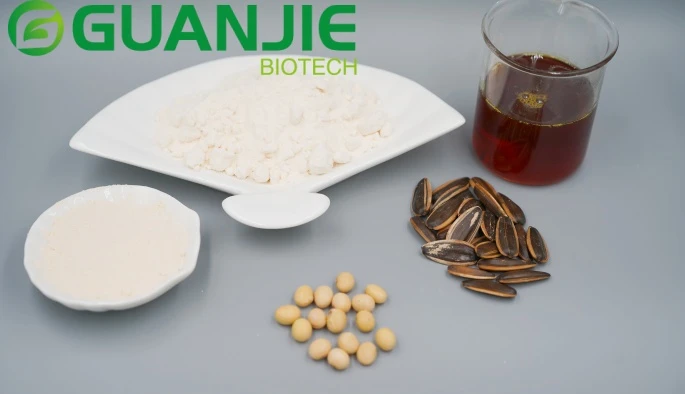
Plant-based phosphatidylserine is fundamentally extracted from soybeans and sunflowers. These sources offer a reasonable and manageable option in contrast to creature determined PS. The extraction cycle commonly includes the utilization of natural solvents to separate phospholipids from the soybean or sunflower lecithin, trailed by sanitization to get phosphatidylserine. This technique gives a vegan well-disposed and sans allergen wellspring of phosphatidylserine for dietary enhancements and practical food applications. Guanjie's bulk phosphatidylserine powder and bulk phosphatidylserine liquid from sunflower and soybean. The products are natural and no additives.
In recent years, progresses in biotechnology have empowered the development of phosphatidylserine through microbial aging. This imaginative methodology includes utilizing hereditarily changed microorganisms to create phosphatidylserine, offering a maintainable and versatile technique for getting this essential phospholipid. The maturation interaction yields an unadulterated type of phosphatidylserine, liberated from likely allergens and foreign substances regularly connected with conventional extraction techniques.
The business accessibility of phosphatidylserine got from various sources offers purchasers and makers the adaptability to pick a reasonable choice in view of dietary inclinations, moral contemplations, and item necessities. Whether obtained from creature tissues, plants, or microbial maturation, phosphatidylserine holds its fundamental natural capabilities and adaptable applications in different businesses, including drugs, nutraceuticals, and utilitarian food sources.
Phosphatidylserine is gotten from different sources, including creature tissues, plants, and microbial aging. Each source offers extraordinary benefits with regards to extraction strategies, immaculateness, and appropriateness for assorted dietary inclinations. The accessibility of phosphatidylserine from numerous sources highlights its importance as a significant supplement with wide applications in promoting brain health and generally prosperity.
How Much Phosphatidylserine Per Day?
The recommended daily intake of phosphatidylserine (PS) and the best timing for consumption are essential considerations when incorporating this phospholipid into one's dietary supplement regimen.
Understanding the suitable measurement and timing can upgrade the expected advantages of phosphatidylserine while limiting the gamble of antagonistic impacts.
The suggested day to day admission of phosphatidylserine commonly relies upon the motivation behind supplementation and the singular's particular necessities. Clinical examinations and exploration have recommended different measurement ranges for phosphatidylserine supplementation, mirroring its potential mental and stress-help benefits.
For cognitive support and memory enhancement, a common recommended dosage of phosphatidylserine bulk ranges from 100 mg to 300 mg per day. Concentrates on exploring the mental impacts of phosphatidylserine have frequently utilized measurements inside this reach, showing promising results regarding memory, learning, and by and large mental capability.
In the context of stress management and cortisol regulation, phosphatidylserine has been studied at higher dosages, typically ranging from 300 mg to 600 mg per day. This higher scope of phosphatidylserine consumption has shown expected benefits in tweaking the body's pressure reaction and decreasing the effect of pressure related cortisol levels.
It's important to note that individual responses to phosphatidylserine supplementation can vary, and factors such as age, overall health, and specific health conditions may influence the appropriate dosage for each person.
Should Phosphatidylserine Be Taken On An Empty Stomach?
The planning of phosphatidylserine consumption, including whether it ought to be devoured while an empty stomach or with food, is a pertinent thought for boosting its ingestion and possible advantages. However, research on the specific impact of timing and food intake on phosphatidylserine absorption is somewhat limited, and recommendations are often based on general principles of nutrient bioavailability and digestion.
As a fat-soluble compound, bulk phosphatidylserine powder and bulk phosphatidylserine liquid may benefit from being taken with a meal or a source of dietary fat. Consuming phosphatidylserine alongside a meal that contains healthy fats may enhance its absorption, as the presence of dietary fats can facilitate the absorption of fat-soluble compounds into the bloodstream.
On the other hand, some individuals may choose to take phosphatidylserine on an empty stomach, especially if they are seeking cognitive or stress-reducing benefits and wish to ensure the compound is absorbed efficiently. If you take phosphatidylserine on an empty stomach, it may be preferable to avoid potential interference from other dietary components that could affect its absorption.
The decision of whether to take phosphatidylserine pure on an empty stomach or with food, it may depend on individual preferences, tolerance, and the desired effects of supplementation. If someone feels discomfort when taking phosphatidylserine on an empty stomach, they may consider consuming it with a meal to promote better tolerance and digestion.
The appropriate daily intake of pure phosphatidylserine varies based on its intended use, with recommended dosages typically ranging from 100 mg to 600 mg per day for cognitive support and stress management. Individual responses to supplementation may differ, and professional guidance is advisable to determine the most suitable dosage. Regarding timing, there is no definitive consensus on whether phosphatidylserine should be taken with or without food, and individual preferences and tolerances may influence this decision.
How Long Does Phosphatidylserine Last?
The shelf life of phosphatidylserine can vary depending on several factors. It includes storage conditions, packaging, and the form of the product. Phosphatidylserine, in the same way as other dietary enhancements, is inclined to corruption over the long haul, which can affect its potency and effectiveness.
The stability of phosphatidylserine is impacted by different ecological factors like temperature, humidity, light exposure, and oxygen. When it exposed to negative circumstances, phosphatidylserine may go through oxidation, hydrolysis, or corruption, prompting changes in its synthetic creation and at last influencing its quality. To moderate these impacts, legitimate capacity conditions assume a critical part in protecting the time span of usability of natural phosphatidylserine products.
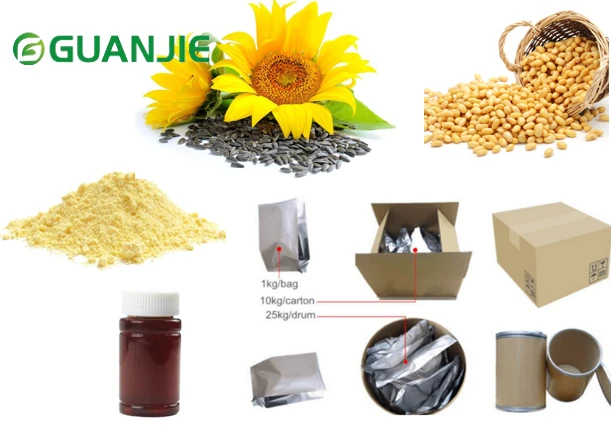
In general, phosphatidylserine items ought to be put away in a cool, dry spot away from direct daylight and unnecessary intensity. Openness to high temperatures can speed up the corruption of phosphatidylserine, especially in its more delicate structures, for example, softgels or fluid plans. Appropriate bundling, like hazy or dull hued compartments, can likewise help safeguard phosphatidylserine from light-prompted corruption, which is particularly important for items put away on retail retires or in shoppers' homes.
The form of phosphatidylserine 20 can likewise affect its security and timeframe of realistic usability. For example, phosphatidylserine in powder structure might have a more extended time span of usability contrasted with fluid plans or softgels, as it is less vulnerable to oxidation and dampness openness. Appropriate bundling of phosphatidylserine powder, like hermetically sealed holders and desiccant parcels, can additionally improve its steadiness and delay its timeframe of realistic usability.
Manufacturers play a critical role in guaranteeing the solidness of phosphoserine supplement items through cautious definition and bundling. Additionally, inactive gas flushing during bundling cycles can limit oxygen openness, further upgrading the item's dependability.
The shelf life of phosphatidylserine is impacted by variables. For example, storage conditions, packaging, and product form.
Generally, Guanjie's bulk phosphatidylserine powder and bulk phosphatidylserine liquid expiration date is 2 years if you store it properly. And we use the Aluminum paper to pack or we support customized package. If you are interested in our information, welcome to enquiry us: info@gybiotech.com.


