


In the realm of skincare and dermatology, active ingredients such as ferulic acid and hyaluronic acid have earned widespread attention due to their notable benefits for skin health and appearance. While both ingredients are often included in high-end serums, creams, and cosmetic formulations, they serve very different purposes. So, which is better ferulic acid or hyaluronic acid bulk powder?
Chemical Nature and Origin

Ferulic Acid
Pure ferulic acid powder is a powerful antioxidant naturally derived from plants. Chemically classified as 4-hydroxy-3-methoxycinnamic acid, it belongs to the family of hydroxycinnamic acids and is commonly found in the cell walls of cereals and grains such as wheat, rice, and oats, as well as in fruits like apples and vegetables like peanuts and coffee beans. Its primary function in plants is to protect against oxidative stress and environmental damage, a property that also makes it valuable in skincare. Guanjie Biotech is a ferulic acid supplier that our ferulic acid powder is from wheat, rice. The advantages of our pure ferulic acid powder 99% include no pyridine content detected and high crystallinity& white color.
Due to its potent ability to neutralize free radicals, ferulic acid helps prevent cellular damage caused by ultraviolet (UV) radiation, pollution, and other environmental stressors. This makes it particularly useful in anti-aging formulations, where it is frequently paired with vitamin C and vitamin E. When combined, ferulic acid not only stabilizes these vitamins but also enhances their efficacy, providing enhanced photoprotection and improving skin tone and resilience.
Hyaluronic Acid
Hyaluronic acid (HA), also known as hyaluronan, is a naturally occurring polysaccharide found in the human body, particularly in connective tissues, joints, and the dermis layer of the skin. It plays a crucial role in retaining moisture - a single gram of HA can hold up to six liters of water.
Hyaluronic acid bulk powder is used primarily for hydration, plumping, and smoothing the skin. It is commonly derived via biofermentation of bacterial strains such as Streptococcus zooepidemicus, making it vegan-friendly. Guanjie Biotech's Hyaluronic acid powder is a white powder with a crystalline appearance. The content that we can reach to> 99.0%.

Mechanism of Action
Ferulic Acid
Ferulic acid exerts its effects primarily through its antioxidant activity, making it a key ingredient in anti-aging and protective skincare formulations. As a phenolic compound, pure ferulic acid powder neutralizes reactive oxygen species (ROS)-such as superoxide anions, hydroxyl radicals, and peroxynitrite-that are generated by external aggressors like ultraviolet (UV) radiation, air pollution, and environmental toxins.
By scavenging these free radicals, ferulic acid helps to prevent oxidative stress within skin cells. This process significantly reduces the risk of lipid peroxidation, a damaging reaction that can compromise the skin's barrier function. In addition, ferulic acid minimizes DNA damage in skin cells and helps prevent the breakdown of collagen and elastin, the structural proteins responsible for skin firmness and elasticity. These protective effects contribute to delaying the appearance of wrinkles, fine lines, sagging, and age spots.
Another standout feature of pure ferulic acid powder is its synergistic relationship with other antioxidants, particularly vitamin C (ascorbic acid) and vitamin E (tocopherol). Studies have shown that when ferulic acid is used in combination with these vitamins, it increases their stability and effectiveness. This trio works together to enhance photoprotection-a key defense mechanism against sun-induced skin damage-by neutralizing free radicals before they can cause harm. As a result, the combined antioxidant power is significantly greater than when these ingredients are used alone, making the combination especially popular in high-performance serums for daytime use.
Hyaluronic Acid
In contrast to ferulic acid's antioxidant role, hyaluronic acid (HA) functions primarily as a moisture-binding agent. It acts as a humectant, meaning it draws water from both the environment and deeper layers of the skin into the outermost layer, or stratum corneum. This process creates a hydrating film on the skin's surface, effectively increasing skin hydration, softness, and suppleness.
Hyaluronic acid bulk powder exists in various molecular weights, each offering different skincare benefits.
High-molecular-weight HA stays on the skin's surface, delivering immediate hydration and a plumping effect, which helps to reduce the appearance of fine lines.
Low-molecular-weight hyaluronic acid bulk powder penetrates more deeply into the epidermis, offering long-lasting moisture retention and promoting overall skin elasticity and resilience.
By maintaining optimal hydration levels, HA plays a crucial role in supporting the skin barrier function, improving texture, and enhancing the efficacy of other active ingredients applied in skincare routines.
Suitability for Different Skin Types
|
Skin Type |
Ferulic Acid |
Hyaluronic Acid |
|
Dry |
✔️ (with caution) |
✔️✔️ Excellent |
|
Oily |
✔️ Good (non-comedogenic) |
✔️ |
|
Sensitive |
⚠️ Patch test needed |
✔️✔️ Very safe |
|
Aging |
✔️✔️ Great antioxidant |
✔️✔️ Great for plumping |
|
Acne-prone |
✔️ Anti-inflammatory |
✔️ Non-clogging |
|
Hyperpigmentation |
✔️✔️ Helps reduce dark spots |
❌ Limited effect |
Which is Better?
The ingredient is better-Pure ferulic acid powder or hyaluronic acid bulk powder-depends entirely on your specific skincare needs. Each offers unique benefits and serves different functions, so choosing the right one comes down to your goals.
If you're focused on anti-aging, antioxidant protection, or fading hyperpigmentation, ferulic acid may be the better option[2]. As a potent antioxidant, it defends the skin against free radical damage, supports collagen production, and boosts the effectiveness of other antioxidants like vitamins C and E. It's also known to enhance the protective benefits of sunscreen, making it an excellent choice for morning use.
On the other hand, if your main concern is hydration, dryness, or improving skin plumpness and texture, then hyaluronic acid is likely the better fit. Its ability to draw and retain moisture makes it ideal for keeping the skin supple and smooth[3]. It's suitable for all skin types, including sensitive or acne-prone skin.
Importantly, these two ingredients aren't mutually exclusive. They're highly complementary and are often included in multi-step routines. For example, you can apply a vitamin C + ferulic acid serum in the morning to protect and brighten your skin, then follow with a hyaluronic acid moisturizer to lock in hydration[4]. At night, hyaluronic acid bulk powder can be used alongside active treatments like retinoids or exfoliating acids to help minimize irritation and support barrier repair.
Combining the two offers a well-rounded skincare approach: antioxidant defense and collagen support from pure ferulic acid powder, plus deep hydration and skin-smoothing benefits from hyaluronic acid.
Cost and Accessibility
Hyaluronic acid bulk powder is widely available and found in both budget and luxury skincare.
Ferulic acid is less commonly available as a stand-alone product and is often part of high-end antioxidant serums, sometimes increasing cost.
For example, Skinceuticals C E Ferulic, a popular antioxidant serum, can cost over $160 per bottle, while The Ordinary's Hyaluronic Acid 2% + B5 retails for under $10.
Clinical Studies and Scientific Support
Ferulic Acid
Extensive research supports the effectiveness of ferulic acid as a powerful antioxidant in skincare. A notable 2005 study published in the Journal of Investigative Dermatology revealed that ferulic acid plays a vital role in stabilizing vitamins C and E. When combined, this trio significantly enhanced photoprotection, offering up to double the protection against UV-induced skin damage compared to vitamins C and E alone. Additional studies confirm that pure ferulic acid powder helps neutralize free radicals, reduce oxidative stress, and minimize the breakdown of collagen factors directly associated with premature aging[1]. These findings make ferulic acid especially valuable in anti-aging and brightening formulations, often used in daytime serums to shield the skin from environmental aggressors.

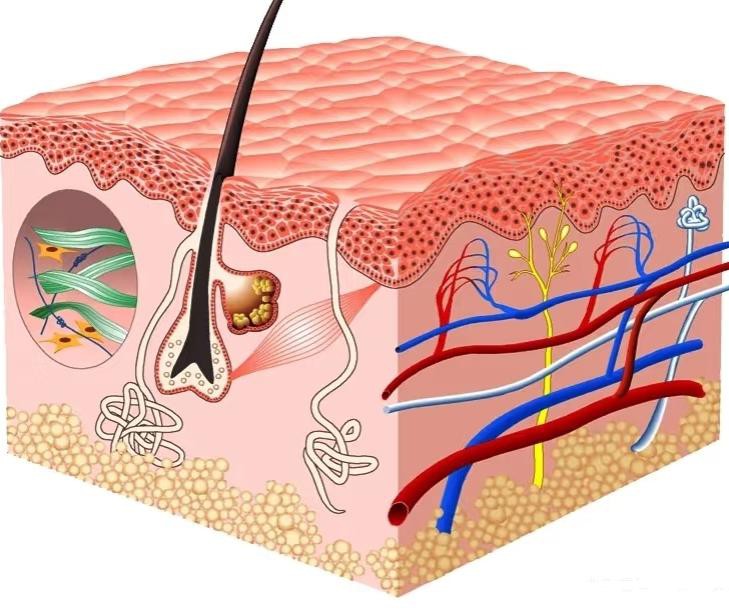
Hyaluronic Acid
Hyaluronic acid (HA) has long been recognized for its hydrating and anti-aging properties, with a robust body of clinical evidence supporting its use. A 2014 clinical trial demonstrated that topical HA formulations led to statistically significant improvements in skin hydration, elasticity, and wrinkle reduction within just eight weeks of use. These results highlight HA's ability to bind and retain water, restoring a plump, smooth appearance to the skin. Moreover, HA's use extends beyond topical products-it is a key ingredient in dermal fillers, offering long-lasting volume and skin rejuvenation. Its consistent safety profile and effectiveness have cemented hyaluronic acid bulk powder as a cornerstone in both cosmetic and dermatological treatments.
So, which is better - ferulic acid or hyaluronic acid? The answer lies in your skin's unique needs:
Choose pure ferulic acid powder if:
- You're concerned about aging, pigmentation, and UV damage.
- You want to boost the effectiveness of your vitamin C serum.
- You prefer a morning antioxidant routine.
Choose hyaluronic acid bulk powder if:
- Your skin is dehydrated, dull, or tight.
- You need a universal hydrator that's gentle and effective.
- You want a product that works well in all climates and all skin types.
Ultimately, a skincare routine that incorporates both can offer comprehensive benefits, combining antioxidant defense with hydration for healthy, glowing skin.
If you are a skin product manufacturer, please feel free to contact Guanjie at info@gybiotech.com when your products require pure ferulic acid powder or hyaluronic acid bulk powder. Guanjie Biotech guarantees you receive high-purity ferulic acid powder and pure hyaluronic acid powder products.
References
[1]Lin, F. H., Lin, J. Y., Gupta, R. D., Tournas, J. A., Burch, J. A., Selim, M. A., & Pinnell, S. R. (2005). Ferulic acid stabilizes a solution of vitamins C and E and doubles its photoprotection of skin. Journal of Investigative Dermatology, 125(4), 826–832.
[2]Papakonstantinou, E., Roth, M., & Karakiulakis, G. (2012). Hyaluronic acid: A key molecule in skin aging. Dermato-endocrinology, 4(3), 253–258.
[3]Ghersetich, I., Lotti, T., Campanile, G., Grappone, C., & Dini, G. (1994). Hyaluronic acid in cutaneous intrinsic aging. International Journal of Dermatology, 33(2), 119–122.
[4]Pinnell, S. R. (2003). Cutaneous photodamage, oxidative stress, and topical antioxidant protection. Journal of the American Academy of Dermatology, 48(1), 1–19.


