

Latest Products


Contact Us
-
6th Floor, 2nd Building, Xijing NO.3, XiJing Industrial Park, DianZi Western Street, Xi'an, Shaanxi, China
-
+86-2988253271

Lycopene 10 Powder
Specification: 10%
Appearance: Dark Red Powder
Test method: HPLC
Storage condition: Store in cool & dry place, Keep away from strong light and heat.
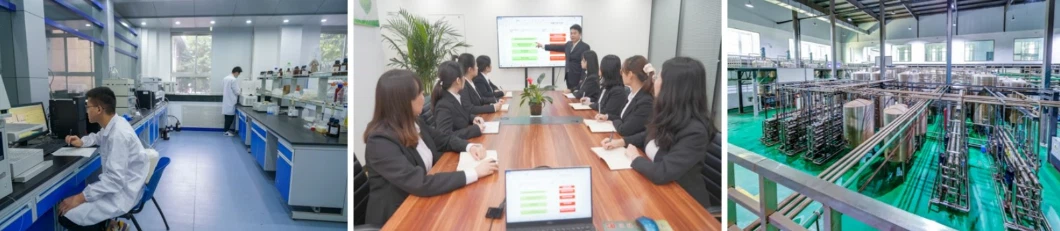
Two Factories & Three production lines
GMP standard workshop & two independent laboratories
FDA Cert.
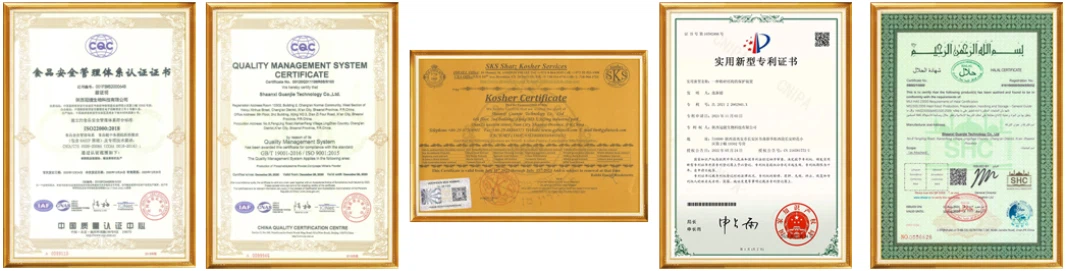
Certifications: Halal,ISO9001,PAHS Free,NON-GMO,KOSHER,SC
Overseas warehouse(NJ,USA)
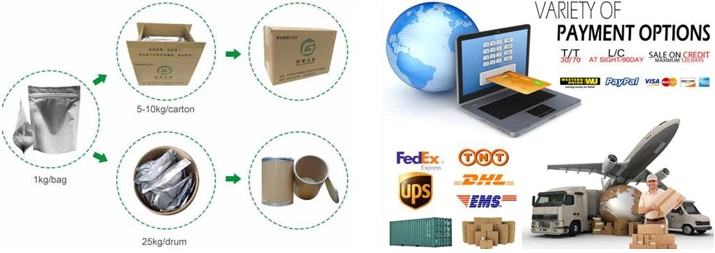
Delivery term: DHL, FEDEX, Air freight,Sea freight
Provide Free Sample
MOQ: 1KG
Not for Private Person Sale
Description
Lycopene 10 Powder Supplier:
Guanjie Biotech has specialized in lycopene 10 powder for 20 years. Our tomato extract powder is a dark red powder, tested using HPLC to ensure high standards. The lycopene content is 10%. We offer high-quality products at factory prices. As a leading lycopene and plant extract supplier, Guanjie is your trusted choice.
COA:
|
ITEMS |
SPECIFICATIONS |
RESULTS |
|
Lycopene |
10% |
10.08% |
|
Appearance |
Dark Red Powder |
Dark Red Powder |
|
Loss on Drying |
≤8% |
5.03% |
|
Ash Content |
≤5% |
3.12% |
|
Total Heavy Metals |
≤10 ppm |
Complies |
|
Pb |
≤3.0ppm |
Complies |
|
As |
≤1.0ppm |
Complies |
|
Cd |
≤0.1ppm |
Complies |
|
Hg |
≤0.1ppm |
Complies |
|
Microbial test |
||
|
Total Plate Count |
≤1000cfu/g |
Complies |
|
Fungi and yeast |
≤100cfu/g |
Complies |
|
E.Coli |
≤30 MPN/100g |
Negative |
|
Salmonella |
Negative |
Negative |
|
Staphylococcus aureus |
Negative |
Negative |
Absorption process of lycopene
Processed tomatoes have a higher utilisation of lycopene 10 powder than raw tomatoes. This is because operations such as churning and heating break down the cell walls. This allows lycopene to be released. Heating at temperatures raised above 100°C also allows the lycopene structure to change. This will turn into a form that is easier to utilise. Note, however, that prolonged heating at high temperatures can also degrade the lycopene and reduce the total amount. Studies have found that the area under the curve of blood lycopene concentration is 3.8 times higher after eating ketchup than after eating raw tomatoes.
The absorption process of lycopene in the human body goes through 3 main stages, including release from the food matrix, dissolution into fat particles and micellization.
In the oral and gastric stages of digestion, the release of lycopene 10 powder and fat is facilitated mainly by chewing, enzymatic digestion of carbohydrates such as starch and small amounts of fat (less than 10%). The released lycopene is dissolved in the fat particles. This will form emulsified fats through peristalsis in the stomach. On entering the duodenum, the emulsified fat particles are reduced in size due to bile salts. The fat is digested by lipase. Lycopene is released. The released lycopene, bile salts and cholesterol formed by digestion form micellised particles.
Studies have shown that long-chain triglycerides are more effective in promoting the formation of micellar particles than medium and short-chain triglycerides. It is the micellised lycopene that binds to the transport protein SR-B1 and is absorbed by the epithelial cells of the small intestine. This will be utilized by the body. The release of lycopene from chromoplasts, the fat-dependent emulsification of lycopene and the formation of micelles are important limiting factors for the bioavailability of lycopene.
Therefore, factors that can increase the efficiency of the lycopene powder absorption phase. This can contribute to the improvement of lycopene bioavailability.
• Factors affecting lycopene bioavailability:
The nutritional value of a bioactive ingredient depends on its bioavailability. That is, the proportion that leaves the food matrix and crosses the intestinal barrier to reach the target cells. The nature and state of existence of lycopene, food matrix, interaction of lycopene with other nutrients, intestinal health etc. can influence the bioavailability of lycopene. Thus these have an important impact on the bioavailability of lycopene 10 powder.
• Lycopene species:
Lycopene has 11 conjugated double bonds and 2 non-conjugated double bonds. This structure of conjugated double bonds allows lycopene to produce several types of cis-trans isomers.
In natural fruits and vegetables, more than 90% of lycopene exists in the all-trans configuration. In human tissues and serum, on the other hand, only cis-forms of lycopene are present. Of these, 5-cis, 9-cis, 13-cis and 15-cis lycopene account for about 50% of the total lycopene liquid.
Studies have shown that cis lycopene is more polar and less likely to crystallise. It is more soluble in micelles for absorption and utilisation by the body. And its bioavailability is about 5 times higher than that of all-trans lycopene compared to the trans isomer.
• Food matrix:
The matrix in which lycopene is found plays an important role in its bioavailability. Different cell wall compositions as well as the structure of the chromoplast (which varies with the matrix) affect lycopene bioavailability. The embedding of lycopene in the chloroplasts of fruits and vegetables is an important factor limiting the bioavailability of lycopene from dietary sources.
• Interactions between food components:
Other nutrients (e.g., lipids, proteins, dietary fibre, minerals, etc.) ingested with lycopene 10 powder can affect lycopene absorption and metabolism.
Divalent minerals may prevent the transport of lycopene from lipid droplets to the mixed micelles formed through the formation of insoluble lipid-soap complexes. This would affect the bioavailability of lycopene.
The molecular mass, residue composition and hydrophobic properties of soluble dietary fibres can influence the formation of lycopene micelle particles. This can limit lycopene absorption.
• Influence of host factors:
The absorption and metabolism of carotenoids varies between species. In humans and a few mammals, most carotenoids are absorbed intact by small intestinal mucosal cells. In rodents, some carotenoids are not absorbed.
Several studies in recent years have shown that a number of host-related factors, including disease state, body mass, alcohol consumption, smoking, drug intake, age, and genetic aspects, have an effect on lycopene bioavailability.
It has been shown that the bioavailability of lycopene 10 powder is significantly reduced in elderly subjects. There are high individual differences in the bioavailability of carotenoids. This is partly due to genetic polymorphisms. Results show that inter-individual differences affect the plasma concentration of lycopene.This affects the bioavailability of lycopene.
• Mechanisms to promote lycopene absorption:
To enhance the bioavailability of lycopene can be studied in two ways. On the one hand, the release of lycopene can be promoted by disrupting the cell wall and chromoplast subcellular structure during processing. On the other hand, new food dispersion systems can be constructed by building emulsions and co-digestion with fats and oils to promote the formation of coeliac particle micelles. Processing of food materials, emulsion construction, and co-digestion with fats and oils using lycopene are all effective methods to improve the bioavailability of lycopene.
Applications
• General Foods
Lycopene is used as a food additive in common foods. It mainly provides a colouring function for food. The quality requirements are by China's GB1886.78-2016 National Standard for Food Safety Food Additives Lycopene (Synthetic). The dosage is under GB 2760 National Standard for Food Safety, Standard for the Use of Food Additives.
Due to the presence of many conjugated double bonds in lycopene, temperature, light, etc. These can cause oxidative decomposition of lycopene, resulting in its low bioavailability. According to the product database of FoodPartner.com, lycopene 10 powder is less used in common foods. It is only added in some beverages and candies.
• Health food
Lycopene is mostly used in health food in China. According to the health food registration database of the State Administration of Market Supervision and Administration of the People's Republic of China (SAMSA), as of January 2024, there are 157 lycopene products. Its main functions are to enhance immunity, antioxidant, delay aging and so on.
With the demand for nutrition and health, lycopene 10 powder,lycopene liquid products have been known and purchased for consumption by more people. By consuming exogenous nutrients or taking dietary supplements, people stop their cells from being damaged by free radicals and enhance their immunity.
Company Advantages:
Certification
Package & Shipment
Hot Tags: lycopene 10 powder, China lycopene 10 powder manufacturers, suppliers, factory, organic acerola cherry powder bulk, Hydroxytyrosol Powder, flaxseed protein powder, Phosphatidylcholine Powder, Citrus Aurantium Extract Powder, Gynostemma Extract Powder
You Might Also Like


