Latest Products

Contact Us
-
Building 2, QinChuang Chang'an Industrial Park,Chang'an District, Xi'an City, Shaanxi Province
-
+86-2988253271
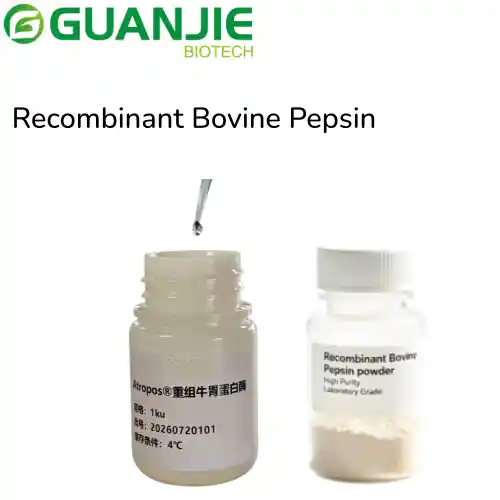
Recombinant Bovine Pepsin
Recombinant Bovine Pepsin Form:liquid and lyophilized powder
Purity:≥95%
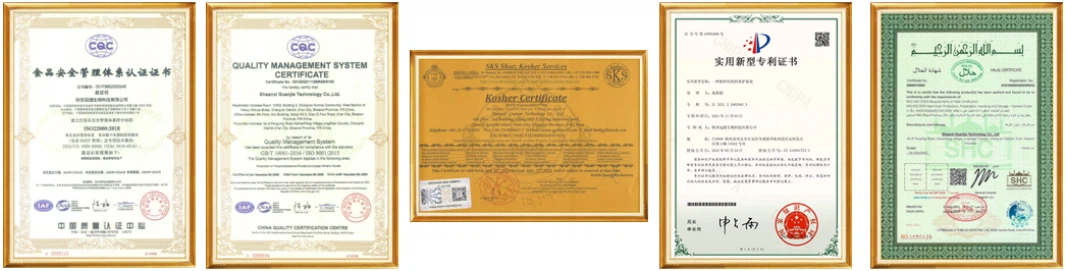
Certifications: Hala,ISO9001, PAHS Free, NON-GMO,KOSHER,SC
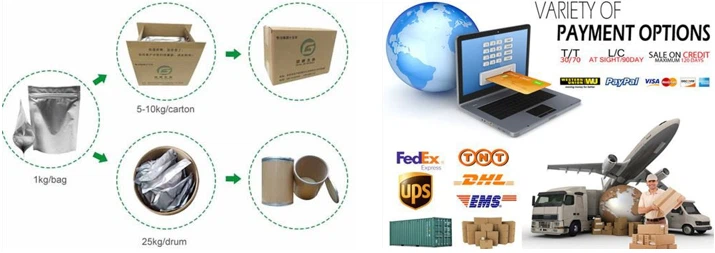
Payment term: L/C, D/A, D/P,T/T
Delivery term: DHL, Sea freight, FEDEX
MOQ:25KGS
Package:25kg/Carton;5kg/Bag inside
Shelf time: Two years
Description
Recombinant Bovine Pepsin Supplier:
Guanjie Biotech is a trusted recombinant bovine pepsin supplier and manufacturer, offering both recombinant pepsin liquid and recombinant pepsin lyophilized powder. Produced through high-density Pichia pastoris expression and secretion fermentation, our animal-free recombinant bovine pepsin eliminates the need for animal organs and minimizes the risk of exogenous viral contamination. After acid activation, it delivers enzyme activity equivalent to natural bovine pepsin. As a cost-effective alternative to porcine and imported recombinant pepsin, Guanjie Biotech supplies high-quality bulk recombinant bovine pepsin with reliable quality, technical support, and consistent commercial production. Welcome to enquire with us at info@gybiotech.com.
Quick Specification:
|
Product Information |
|
|
English Name |
Recombinant Bovine Pepsin |
|
Source |
Recombinantly expressed in Pichia pastoris |
|
Form |
Liquid |
|
Molecular Weight |
40.0kDa |
|
Purity |
≥95% |
|
Specific Activity |
20000U/g |
|
Storage Buffer |
20 mM PB + 150 mM NaCI, pH 5.6 |
|
Storage Temperature |
2~8°C |
What Is Recombinant Bovine Pepsin?
Recombinant bovine pepsin is a high-purity digestive aspartic protease widely used in biopharmaceutical manufacturing, diagnostic reagents, industrial enzyme production, and scientific research. Traditionally, bovine pepsin and porcine pepsin are extracted from the gastric mucosa of animals. However, increasing global regulatory requirements for biosafety, traceability, and product consistency have exposed several limitations of animal-derived enzymes, including the potential risk of viral or prion contamination, residual animal impurities, and significant batch-to-batch variability.
To overcome these challenges, Recombinant Bovine Pepsin is produced using an advanced Pichia pastoris expression system and high-density fermentation technology. The production process is completely animal-free, eliminating the risk of animal-derived pathogens while ensuring exceptional purity, consistent enzyme activity, and reliable batch uniformity. As a result, it provides a safe, high-quality enzyme solution for pharmaceutical manufacturing, diagnostic reagents, biotechnology, and other high-end industrial applications.
The enzyme is secreted and purified as recombinant pepsinogen before being activated under acidic conditions through autocatalytic conversion. Once activated, it exhibits enzymatic activity and substrate cleavage characteristics equivalent to those of natural bovine pepsin. As a high-purity recombinant pepsin, it serves as an ideal alternative to conventional animal-derived pepsin and costly imported recombinant enzymes. For companies seeking a reliable recombinant bovine pepsin supplier or recombinant pepsin manufacturer, this product offers superior biosafety, regulatory compliance, production consistency, and scalable supply for modern life science and industrial applications.
COA:
|
Test Items: |
Specifications: |
|
Specific Activity |
20000U/g |
|
Purity |
≥95% |
|
Molecular Weight |
≈40.0kDa |
|
Storage Conditions |
Store at 2~8°C for 1 year |
|
Test Conclusion |
This product has been tested and meets the established quality standards. |
What Are The Advantages of Recombinant Bovine Pepsin?
High-Density Fermentation with Pichia pastoris Secretory Expression
• High-Efficiency Secretory Expression
The Pichia pastoris expression system provides excellent protein folding and secretion capabilities, allowing recombinant bovine pepsinogen to be secreted directly into the fermentation broth in its correctly folded and biologically active precursor form. This efficient secretory expression significantly simplifies downstream purification, improves production efficiency, and reduces overall manufacturing costs.
• Scalable Industrial Production
Combined with advanced high-density fermentation technology, the production process delivers high expression levels, excellent purity, and consistent batch-to-batch quality. This manufacturing platform supports stable large-scale production, making it ideal for commercial recombinant bovine pepsin manufacturers supplying the global pharmaceutical, biotechnology, and food industries.
Animal-Origin-Free (AOF) Manufacturing
Completely Animal-Origin-Free Process
The production of animal-origin-free pepsin (AOF pepsin) eliminates all contact with animal-derived materials throughout the manufacturing process. Culture media, fermentation, purification, and downstream processing are designed without the use of animal tissues, serum, or animal-derived additives, ensuring exceptional product safety and regulatory compliance.
Reduced Biosafety Risks
Because the manufacturing process contains no animal-derived raw materials, it effectively eliminates the risk of contamination from animal pathogens, including African swine fever virus (ASFV), porcine reproductive and respiratory syndrome virus (PRRSV), porcine parvovirus, and transmissible spongiform encephalopathies (BSE/TSE). This makes recombinant bovine pepsin an ideal choice for manufacturers requiring high biosafety standards and international regulatory compliance.
Enzyme Activity Comparable to Natural Bovine Pepsin
• Acid-Induced Auto-Activation
Recombinant bovine pepsinogen remains stable and largely inactive under neutral or mildly acidic conditions. When exposed to strongly acidic conditions (pH ≤ 3.0), it rapidly undergoes self-cleavage by removing its propeptide segment and is converted into mature recombinant bovine pepsin enzyme with full catalytic activity. This activation mechanism closely replicates the physiological behavior of natural bovine pepsinogen.
• Consistent Catalytic Performance
Following activation, recombinant bovine pepsin demonstrates catalytic properties highly comparable to those of natural bovine pepsin. It exhibits equivalent substrate specificity, enzyme kinetics, and cleavage efficiency, preferentially hydrolyzing peptide bonds adjacent to hydrophobic amino acid residues such as phenylalanine (Phe), tyrosine (Tyr), tryptophan (Trp), and leucine (Leu). These characteristics make it suitable for pharmaceutical manufacturing, protein digestion, biotechnology research, and industrial enzyme applications.
Cost-Effective and Regulatory-Compliant Alternative
• Superior Alternative to Traditional Porcine Pepsin
Compared with conventional porcine-derived pepsin, recombinant bovine pepsin offers significantly higher purity, lower impurity levels, improved color consistency, and more stable enzyme activity. It also avoids religious restrictions, ethical concerns, and regulatory challenges associated with porcine-derived enzymes, making it suitable for a broader range of global markets.
• Reliable Domestic Supply and Lower Production Costs
Locally manufactured recombinant pepsin provides a dependable alternative to imported recombinant enzymes by reducing procurement costs, shortening delivery times, and improving supply chain stability. This cost-effective solution enables downstream pharmaceutical, biotechnology, and industrial customers to reduce research, development, and manufacturing expenses while maintaining consistent product quality and regulatory compliance.
Recombinant bovine pepsin Properties and Specifications
Recombinant bovine pepsin is available in both liquid and lyophilized powder forms, providing flexibility for different manufacturing and processing requirements. The liquid form is ready for direct use in cheese production and other dairy processing applications, while the lyophilized recombinant bovine pepsin powder offers excellent stability for long-distance transportation, extended shelf life, and convenient storage. Both formats maintain high enzymatic activity and consistent performance, making them suitable for industrial-scale production. As a high-purity recombinant bovine pepsin manufactured through advanced fermentation technology, the product delivers reliable quality, batch-to-batch consistency, and efficient performance for modern cheese making enzyme applications and other dairy processing enzyme formulations.
|
Art.No. |
product name |
Specifications |
|
11-260003-01 |
Recombinant Bovine Pepsin |
1kU |
|
11-260003-10 |
Recombinant Bovine Pepsin |
10kU |
|
11-260003-50 |
Recombinant Bovine Pepsin |
50kU |
Dosage Form Description
1. Liquid Recombinant Bovine Pepsin
• Advantages:
The recombinant bovine pepsin solution is supplied in a ready-to-use format, eliminating the need for reconstitution before use. This significantly reduces preparation time while preventing issues such as powder loss, dust generation, or incomplete dissolution. The liquid formulation is particularly suitable for automated dispensing systems, laboratory workflows, and high-throughput manufacturing environments where consistency and operational efficiency are essential.
• Storage System:
The enzyme is typically formulated in a mildly acidic buffer containing stabilizing agents such as glycerol. This optimized buffer system helps maintain the structural integrity and catalytic activity of recombinant bovine pepsin during long-term storage. When stored at -20°C, the liquid formulation can retain stable enzyme activity for several years with minimal performance loss, making it an ideal choice for research laboratories and industrial biotechnology applications.
2. Lyophilized Recombinant Bovine Pepsin Powder
• Advantages:
Recombinant pepsin powder is produced using an optimized lyophilization process combined with proprietary protective excipients. The resulting powder has extremely low residual moisture, providing excellent stability during transportation and long-term storage over a broad temperature range. This dosage form is especially suitable for international shipping and customers requiring extended shelf life.
• Reconstitution:
The lyophilized powder rapidly dissolves in sterile water or a suitable dilute acidic buffer, producing a clear, homogeneous solution with no visible precipitation. Under recommended reconstitution conditions, high-purity recombinant bovine pepsin typically achieves more than 95% recovery of enzymatic activity, ensuring reliable performance for protein digestion, biochemical research, diagnostic reagent production, and other biotechnology applications. Its high stability, convenient storage, and consistent activity make it a preferred dosage form for both laboratory research and commercial enzyme manufacturing.
Figure Descriptions
1. Purity analysis of recombinant bovine pepsin by SDS-PAGE

2. SEC Purity Analysis of Recombinant Bovine Pepsin

3. Application Case – Hydrolysis of Equine Tetanus Antitoxin by Recombinant Bovine Pepsin

Buyer Guide: Recombinant Bovine Pepsin liquid vs. Recombinant Bovine Pepsin lyophilized powder
The table below helps R&D and procurement decision-makers make matching selections based on their actual production environment:
|
Dimensions |
Recombinant Bovine Pepsin Liquid Form) |
Recombinant Bovine Pepsin Lyophilized Powder |
|
Preferred Application Scenarios |
Automated sample dispensing pipelines, large-scale continuous fermentation plants |
Suitable for export trade, long-distance logistics, and reagent kit supply. |
|
Resolution and Handling |
Ready to use, no pre-solution required |
Requires reconstitution with sterile water/dilute acid. |
|
Transportation Costs |
Requires -20℃ cold chain logistics |
Can be transported at room temperature/with ice packs to reduce transportation costs. |
|
Stability |
Stable for 24 months at -20℃ |
Shelf life: 36 months at 2–8℃. |
FAQs:
Q1: What is the difference between recombinant bovine pepsin and traditional porcine pepsin?
A: Recombinant bovine pepsin is produced by Pichia pastoris fermentation without animal-derived materials, eliminating animal pathogen risks. It offers over 95% purity, excellent batch consistency, and higher process reproducibility than traditional porcine pepsin.
Q2: Is recombinant bovine pepsin supplied as an active enzyme or pepsinogen?
A: Recombinant bovine pepsin is supplied as stable recombinant bovine pepsinogen. Under acidic conditions (pH ≤3.0), it self-activates by removing its precursor peptide, rapidly forming fully active recombinant pepsin for efficient protein digestion.
Q3: Should I choose the Recombinant bovine pepsin liquid or the recombinant bovine pepsin lyophilized powder form?
A: Both forms provide identical enzymatic performance. Recombinant bovine pepsin Liquid recombinant bovine pepsin is ideal for automated production, while recombinant bovine pepsin lyophilized powder offers easier transportation, extended refrigerated storage, and greater flexibility for global distribution.
Q4: How do I activate and use recombinant bovine pepsin correctly?
A: Dissolve the lyophilized powder, adjust the solution to pH 1.5–3.0, and incubate for 10–15 minutes. After digestion, raise the pH above 7.0 to irreversibly inactivate recombinant bovine pepsin and stop the reaction.
Q5: How can I prevent recombinant bovine pepsin from autolysis?
A: Activate recombinant bovine pepsin immediately before adding the substrate and maintain 4–15°C during activation. The presence of substrate significantly reduces self-digestion while preserving enzyme activity and digestion efficiency.
Q6: Why is recombinant bovine pepsin preferred for preparing F(ab')₂ fragments?
A: Recombinant bovine pepsin provides highly specific IgG digestion without contaminating proteases. It generates high-purity F(ab')₂ fragments, minimizes over-digestion, improves recovery by 15–20%, and enhances process reproducibility in biopharmaceutical manufacturing.
Q7: What advantages does recombinant bovine pepsin offer for collagen purification?
A: Recombinant bovine pepsin selectively removes collagen telopeptides while preserving the triple-helix structure. Its animal-origin-free production and ultra-low endotoxin levels make it suitable for medical collagen and Class III medical devices.
Q8: Can recombinant bovine pepsin support pharmaceutical and medical device regulatory filings?
A: Yes. We provide complete bulk recombinant bovine pepsin technical documentation, including CoA, stability data, Animal-Origin-Free and TSE/BSE statements, HCP, HCD, and endotoxin reports to support FDA, EMA, and NMPA regulatory submissions.
Q9: What are the cost advantages of recombinant bovine pepsin?
A: Compared with imported alternatives, recombinant bovine pepsin produced through localized Pichia pastoris fermentation offers stable supply, shorter lead times, competitive pricing, and can reduce total procurement costs by 30–50%.
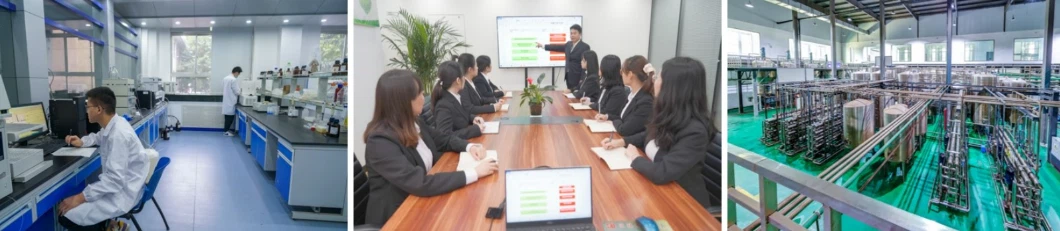
Company Advantages:
Certification
Storage and Transportation Conditions of Recombinant Bovine Pepsin
To preserve the stability, purity, and enzymatic activity of recombinant bovine pepsin, proper storage and transportation are essential. Following the recommended conditions helps minimize activity loss, extends shelf life, and ensures consistent performance during industrial applications such as dairy processing and cheese production.
• Transportation Conditions
Transport liquid recombinant bovine pepsin enzyme using a validated cold-chain system with ice packs or dry ice to maintain the required low temperature throughout shipping.
• Storage Conditions
Store at -20°C to -80°C in a light-protected environment. Avoid repeated freeze-thaw cycles, as they may reduce enzyme activity. For long-term storage, divide the product into smaller aliquots before freezing to minimize repeated thawing.
• Shelf Life
When stored under the recommended conditions, liquid recombinant bovine pepsin typically maintains its activity for up to 24 months.
• Transportation Conditions
Recombinant bovine pepsin powder can be transported under cold-chain conditions with ice packs or, when validated, at controlled ambient temperature for short transit periods.
• Storage Conditions
Store the lyophilized powder at 2°C–8°C for routine storage or -20°C for long-term preservation. Keep the product tightly sealed in a dry, light-protected environment to prevent moisture absorption and maintain enzyme stability.
• Shelf Life
Under sealed, dry, and recommended temperature conditions, recombinant bovine pepsin powder offers a shelf life of up to 36 months. After reconstitution, the enzyme solution should be used immediately whenever possible. If immediate use is not feasible, aliquot the solution and store it frozen to avoid multiple freeze-thaw cycles and preserve catalytic activity.
Hot Tags: recombinant bovine pepsin, China recombinant bovine pepsin manufacturers, suppliers, factory, 5-HTP Powder, 5-htp powder bulk, Cycloastragenol Powder, Pure L-Theanine Powder, Pure Resveratrol Powder, raw powders 5-htp
You Might Also Like