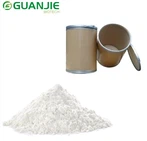
Berberine Hydrochloride powder is a natural alkaloid extracted from a variety of plants that has a wide range of pharmacological effects and has been studied more particularly in the areas of antibacterial, anti-inflammatory, antioxidant, and hypoglycaemic. While berberine hydrochloride has some applications in human health. Its use on pets needs to be approached with caution.

Potential Benefits of Berberine Hydrochloride for Puppies
When you consider whether or not berberine hydrochloride can be applied to puppies, we first need to understand its potential benefits for dogs.
● Control of blood sugar levels
For puppies with diabetes or obesity, the hypoglycaemic effect of berberine hydrochloride could be a potential benefit. Studies have shown that berberine hydrochloride can improve insulin resistance and regulate blood sugar levels. However, the management of diabetes in dogs requires the expert guidance of a veterinarian, so if you want to administer berberine bulk powder to your dog, you must do so under the advice of your veterinarian.
●Improves Digestive Health
Berberine hydrochloride has some antibacterial and anti-inflammatory properties. It may therefore have a positive impact on your dog's gut health. Particularly for indigestion caused by an imbalance of intestinal flora or inflammation, berberine hydrochloride may help alleviate symptoms.
●Protects cardiovascular health
Berberine hydrochloride has some lipid-lowering properties that can help reduce bad cholesterol (LDL) in the body. In dogs at risk for cardiovascular disease, berberine hydrochloride may help reduce the incidence of cardiovascular disease. However, this application still lacks sufficient clinical studies and must be used with caution.
Physiological characteristics and drug metabolism in puppies
The physiology and drug metabolism processes of puppies differ from those of humans. When considering the use of Berberine Hydrochloride powder, special attention needs to be paid to the drug-metabolizing ability of puppies as well as their physiological characteristics.
●Hepatic metabolism:
It is similar to humans, the liver is the primary site of drug metabolism in puppies. However, the liver functions differently in puppies than in humans. Certain drugs may be metabolized faster or slower in their bodies. This affects the effectiveness and toxicity of the drug.
● Safety range of drugs:
Some drugs that are safe for humans may show different toxic reactions in animals. This is especially true for some drugs, such as berberine hydrochloride. Its safety varies significantly between species.
● Renal excretion:
The kidneys of puppies also differ from humans in affecting the rate of drug excretion. If the drug stays in the body too long, it may lead to toxic reactions.
Side Effects and Risks of Berberine Hydrochloride
Despite the fact that berberine hydrochloride exhibits some pharmacological effects in animals, its side effects and potential risks should not be ignored. The effects of berberine hydrochloride on dogs have not been extensively concluded in scientific studies, so its use requires special care.
● Digestive System Reactions
Berberine hydrochloride is irritating and may cause gastrointestinal upset in dogs. Such as vomiting and diarrhea. This side effect may be more pronounced especially when used in high doses.
● Affects drug metabolism
Berberine HCL Powder may interfere with the metabolism of other medications by affecting the activity of liver enzymes. In dogs already on other medications, berberine hydrochloride may cause drug interactions that result in altered efficacy or increased side effects.
● Central Nervous System Effects
The primary action of Berberine Hydrochloride powder does not involve the central nervous system. However, its anti-inflammatory and antioxidant effects may have indirect effects on the nervous system. Some studies suggest that berberine hydrochloride may have some effects on the nervous system.
● Allergic reactions
Like other plant extracts, berberine hydrochloride may cause allergic reactions, especially in sensitive dogs. These reactions may manifest as symptoms. Such as redness of the skin, itching, and difficulty breathing.
Scientific Basis and Research Support
There is limited research on the using berberine hydrochloride in dogs, with most studies focusing on its effects on humans. Some of the effects of berberine hydrochloride are theoretically beneficial, but the scientific evidence is not strong. For pets, especially dogs. For example, while it has some potential for lowering blood sugar and improving cardiovascular health, there has not yet been a significant number of clinical studies demonstrating its safety and efficacy in dogs.
● Lack of clinical trials
There is a lack of sufficient clinical trial data addressing the use of berberine hydrochloride in dogs, particularly the safety and efficacy of long-term use. While some animal studies have shown that it may have antibacterial and anti-inflammatory effects, most of these studies have been conducted on mice or other non-canine animals.
● Guidance from a Veterinarian
In the absence of adequate research to support it, the use of berberine hydrochloride should be under the guidance of a veterinarian. Your veterinarian will be able to determine if berberine hydrochloride is appropriate for your dog's specific health condition and needs, as well as a reasonable dosage and duration of use.
Precautions for using berberine hydrochloride
If you are considering using berberine hydrochloride in your dog, it is important to note the following points.
● Dosage control
Dogs metabolize drugs differently from humans, so the dosage needs to be particularly controlled when using berberine hydrochloride in dogs. Overdosage may trigger adverse reactions, so dosage recommendations from your veterinarian should be followed.
● Monitoring of health condition
During the use of berberine HCL bulk, your dog's health should be closely monitored, especially for changes in the digestive system and behavior. If discomfort occurs, stop the medication and seek veterinary help.
● Avoid interactions with other medications
Berberine hydrochloride may interact with other medications if your dog is on them, especially those used for blood sugar control or lipid-lowering. Therefore, your veterinarian should be informed of all medications being used before starting berberine hydrochloride.
Berberine Hydrochloride powder acts as a versatile natural compound. It can theoretically provide some health benefits for dogs. Particularly in terms of controlling blood sugar, improving digestion and protecting cardiovascular health. However, due to more limited relevant scientific research and certain side effects and risks, it is important to use berberine hydrochloride with caution and always under the guidance of a veterinarian. Only by ensuring safety and appropriate dosage can the potential of berberine hydrochloride be better utilized to promote your dog's health.
Guanjie Biotech chose Phellodendron Bark as the raw material and used HPLC and titration assay to ensure the high quality and purity of Berberine Hydrochloride powder. If you want to buy berberine HCL in bulk, welcome to contact us at info@gybiotech.com.