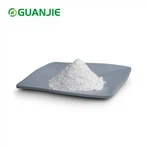
Guanjie Biotech has focused on bulk glutathione powder for more than 20 years. Our glutathione bulk powder is white crystals or crystalline powder. The assay is ≥99.0%. It is transparent, which can soluble in water. It tastes sour, astringent, with a fresh taste similar to MS. Today let's talk about the antioxidants effects of bulk glutathione.

When people think of glutathione, the king of antioxidants, they always think of its outstanding contribution in the field of anti-aging and beauty. But in fact, as a super antioxidant, glutathione is also known for its benefits in liver health, immune health, as well as blood sugar balance and cardiovascular health. Now, with the discovery and use of Lactobacillus fermentum ME-3, a strain that allows the body to produce its own bulk glutathione powder at high levels, it will help the body build a probiotic-antioxidant system that will revitalise the body from the inside out.
Super Antioxidant Glutathione
Glutathione (GSH) is a tripeptide containing a γ-amide bond and a sulfhydryl group. It consists of glutamic acid, cysteine and glycine. And it is found in almost every cell in the body. It not only helps to maintain normal immune system function, but also has antioxidant and integrative detoxification effects [1]. Therefore, glutathione is often used in fields such as beauty and liver protection. In fact, most people with abnormal cardiovascular and cerebrovascular health and abnormal blood glucose are also accompanied by significant oxidative damage in their bodies, and their antioxidant capacity is greatly diminished. It has been shown that exogenous supplementation of glutathione helps to increase serum antioxidant capacity to synergise against atherosclerosis and blood sugar abnormalities. Thus, glutathione is equally critical for maintaining vascular and glycaemic health. However, in practice, glutathione's inherent "bug" of being susceptible to oxidation has hampered its proper functioning.
Glutathione is available in both reduced (G-SH) and oxidised (G-S-S-G) forms. The reduced form gives up electrons, neutralises free radicals and becomes oxidised glutathione until it gains electrons again and returns to the reduced form. And it is the reduced glutathione that really fights free radicals. Under normal physiological conditions reduced glutathione occupies the majority. However, when cells are exposed to a large number of free radicals (e.g. inflammatory states), a large amount of reduced bulk glutathione powder is used up and oxidised glutathione is produced. Therefore, the prerequisite for ensuring the normal action of glutathione in the body is to maintain the level of reduced glutathione in the body.
Lactobacillus fermentum ME-3 and glutathione
In 1995, a team led by Estonian scientist Prof. Marika Mikelsaar isolated a probiotic bacterium, Limosilactobacillus fermentum ME-3 (hereinafter referred to as 'Lactobacillus fermentum ME-3'), from the human intestinal tract. (hereinafter referred to as 'Lactobacillus fermentum ME-3'). This strain is unique in that it not only produces the super antioxidant glutathione, but also maintains high levels of it in the body through its circulatory system, which protects it from being broken down too quickly by the digestive system.

Comparatively, without the glutathione redox cycle, the strain itself would not be able to protect glutathione against reactive oxygen species. However, a paper published in 2010 showed that Lactobacillus fermentum mucilaginousum ME-3 contains both glutathione peroxidase and glutathione reductase. Thus, reduced glutathione (GSH) can be converted to oxidised glutathione (GSSG) by glutathione peroxidase, which in turn can be converted to GSH by bulk glutathione powder reductase, implying that Lactobacillus mucilaginosus ME-3 possesses a complete glutathione "production and recycling" system, which allows it to synthesise, uptake and redox-convert glutathione into GSSG. This means that Lactobacillus fermentum ME-3 has a complete "production and recycling" system of glutathione, which can be synthesised, ingested and converted into GSH by redox enzymes, thus maximising the antioxidant effect of GSH [2].
ME-3 establishes a probiotic-antioxidant system through glutathione
Above, we have explained how Lactobacillus fermentum ME-3 achieves its antioxidant effect through bulk glutathione powder at the mechanistic level. Next, let's take a look at the scientific evidence that Lactobacillus fermentum ME-3 establishes a probiotic-antioxidant system through glutathione.
In a double-blind randomised placebo-controlled trial, researchers assessed TAA (Total Antioxidant Activity) and TAS (Total Antioxidant Status) in the blood by molecular methods in order to understand the antioxidant capacity of Lactobacillus fermentum ME-3, and through the alteration of these overall antioxidant indices, the researchers concluded that Lactobacillus fermentum ME-3 contributes to increase the level of the body's resistance to oxidative stress [3].
A randomised controlled study included 164 healthy adults with serum low-density lipoprotein cholesterol (LDL-C) and/or serum triglycerides (TG) at healthy/pathological threshold levels. The study used the definitions of the European Guidelines for Cardiology for the inclusion of the subjects. The results showed that after 8 weeks of consumption of kefir with or without ME-3, only the ME-3 group showed significant reductions in serum low-density lipoprotein cholesterol (LDL-C), oxidised low-density lipoprotein (ox-LDL), and serum triglyceride (TG) levels by 5%, 6%, and 17%, respectively. In addition, subjects in the ME-3 group showed a significant decrease in the HDL/LDL ratio, whereas this indicator did not decrease but increased in subjects in the placebo group [4].
In another randomised, double-blind, placebo-controlled trial involving 100 healthy subjects, researchers found that Lactobacillus fermentum mucilaginousum ME-3 had a positive effect on postprandial oxidative stress (OxS), postprandial triglycerides (TG) and lipoproteins [5]. It is hypothesised that ME-3 achieves optimisation of lipid composition and regulation of lipid oxidation levels by improving the level of oxidative stress in the body.
There is an increasing number of preclinical studies that reveal the effects of the antioxidant probiotic ME-3 in various health directions. One study showed that ME-3 significantly improved glycosylation and dysglycaemia in type II diabetic mice [6]. Another clinical study found that the intake of ME-3 significantly reduced the levels of inflammatory factors and increased the levels of anti-inflammatory factors in the liver of model mice [7].
In addition to this, the effects of oral glutathione on human health have been reported in an increasing number of studies. One clinical study showed that oral glutathione intake for 3 consecutive weeks had a positive and positive effect on insulin sensitivity [8]. The effects of bulk glutathione powder intake on the skin have also been confirmed by several clinical studies [9,10]. Even a Korean researcher found that intake of glutathione had an amazingly positive effect on improving the athletic performance of triathletes as well as on improving the metrics related to exercise recovery [11].
It is conceivable that the probiotic ME-3, which is able to regenerate glutathione for the human body, will bring more effective and novel solutions to the health product industry in various health directions in the future.
To sum up, through glutathione, Lactobacillus fermentum ME-3 helps the body to build a 'probiotic-antioxidant system'. Thanks to this powerful antioxidant system, organs and tissues such as blood lipids, blood glucose, skin, liver, etc. receive positive feedback on their antioxidant environmental capacity, thus bringing you an unprecedented 'rejuvenation' experience. Especially with the deepening of probiotic-related research, the use of probiotics to improve specific health problems has become a hot topic. However, when it comes to actual bulk glutathione powder development, there are few strains with a clear mechanism and solid clinical studies on their antioxidant properties.
Guanjie Biotech has focused on bulk L-glutathione powder for many years. High quality bulk powders glutathione and low price, welcome to enquiry us: info@gybiotech.com.
References:
[1] Cong Fengsong. The magic of small molecule active peptide. Shanghai Jiao Tong University Press. 2015. 18
[2] ПРИКЛАДНАЯ БИОХИМИЯ И МИКРОБИОЛОГИЯ, 2010, том 46, № 5, с. 527-531
[3] Nutrition Journal 2005, 4:22
[4] Mikelsaar et al. BMC Nutrition (2015) 1:27
[5] Cent. Eur. J. Biol. - 6(1) - 2011 - 32-40
[6] Guilbaud A, et al. Mol Nutr Food Res. 2020 Mar;64(6):e1901018
[7] Truusalu K, et al. APMIS. 2010 Nov;118(11):864-72
[8] Søndergård SD, et al. Appl Physiol Nutr Metab. 2021 Sep;46(9):1133-1142
[9] Sitohang BS, et al. Dermatology Research and Practice Volume 2020, Article ID 8547960, 6 pages
[10] Wahab S, et al. Int J Dermatol. 2021 Aug;60(8):1013-1018
[11] Lee E, et al. Nutrients 2023, 15, 3324-3340