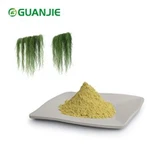
Turmeric Curcuma longa L. is a perennial herb of the genus Turmeric in the family Zingiberaceae, which produces a wide range of secondary metabolites, including substances such as flavonoids, alkaloids, tannins and phenolic acids. Curcumin is one of the most representative active substances, which bulk curcumin powder can be used in the treatment of inflammatory diseases, liver diseases, metabolic syndrome, neurodegenerative diseases, atherosclerosis and myocardial infarction. Most importantly, curcumin has a therapeutic effect on a wide range of tumours such as lung, breast, prostate and stomach cancers.

Bulk curcumin powder was first extracted from the turmeric plant in 1870. Since then, scientists have conducted many studies on the therapeutic effects of bulk turmeric curcumin as a non-toxic drug. Notably, it is classified as 'Generally Recognised as Safe' (GRAS) by the US National Cancer Institute.) The activity of curcumin as an anticancer agent has received much attention over the past three to four decades. Preclinical studies support curcumin as a promising anticancer candidate. Moreover, its anticancer mechanisms have been revealed in many ways. For example, it induces apoptosis and inhibits tumour growth and proliferation by exploiting changes in the diversity of cell signalling pathways.

• Anti-lung cancer effects
Bulk curcumin powder shows its potential for the treatment of lung cancer by acting on the Wnt/β-catenin signalling pathway in human lung cancer cell line A549, inhibiting the expression of proteins such as β-catenin and p-GSK3β (Ser9), as well as downstream cyclin D1 and c-Myc. Curcumin bulk powders also down-regulates Notch and HIF-1 mRNA levels, inhibits the expression of VEGF and nuclear factor-κB (NF-κB), and reduces the weight and size of tumours through angiogenic regulation mediated by the vascular endothelial growth factor (VEGF) signalling pathway. Curcumin inhibits cell proliferation, increases apoptosis and G2/M blockade, which is cytotoxic to non-small cell lung cancer, and also induces reactive oxygen species (ROS) production, which activates DNA damage signalling pathways.
In terms of co-administration, the combination of curcumin and gemcitabine can increase the sensitivity of multidrug-resistant cell line A549/GEM to gemcitabine, and significantly reduce the migration and invasive ability of A549/GEM cells. Bulk curcumin powder can also inhibit the expression of DNA methylation-associated enzymes in NSCLC cells, increase the cytotoxicity of crizotinib through the modulation of miR-142-5p and its target Ulk1,and induce tumour It can increase the cytotoxicity of Crizotinib by regulating miR-142-5p and its target Ulk1, and induce apoptosis of tumour cells.
• Anti-breast cancer effects
Akt/mTOR-dependent pathway is a major signalling pathway for breast cancer cell proliferation, and clinical evidence suggests that targeting this pathway is a promising therapeutic option. Curcumin bulk powders inhibits the phosphorylation of Akt, mTOR and their downstream proteins, leading to cell cycle arrest in a variety of breast cancer cell lines, including T47D and MCF7. NF-κB plays a key role in the proliferation, invasion and metastasis of breast cancer cell lines. Bulk curcumin powder has shown promising results in combating drug resistance common to various tumours, including breast cancer.
Recent studies have shown that loading curcumin and paclitaxel nanogel delivery system can achieve the synergistic effect of the two drugs, better inhibit the proliferation of MCF-7 breast cancer cells, and enhance the efficacy of the treatment while reducing the adverse effects in breast cancer treatment.
• Anti-colon and gastric cancer effects
The cascade reaction caused by PI3K/Akt/mTOR, Wnt/β-cateni, NF-κB and other signalling pathways are all important factors in the development of gastric cancer. Bulk curcumin powder has shown good anti-tumour effects by inhibiting p53, Ras, extracellular signal-regulated kinase (ERK), PI3K/Akt multiple signalling pathways in gastric cancer cells. In recent years thymidylate synthase (TS) has been investigated as a major target for anticancer drugs. correlation of TS expression with E2F-1 levels has been identified as a tumour characteristic of human colon cancer. nF-κB inhibitors inhibit cell cycle progression and down-regulate E2F-1. curcumin derivatives, based on natural products, have been used as non-toxic dietary supplements and as herbal medicines.
• Anti-prostate cancer effects
In vitro studies have identified curcumin as an effective agent in the treatment of prostate cancer. 95 curcumin powder interferes with several molecular signalling pathways such as NF-κB, mitogen-activated protein kinase (MAPK) and epidermal growth factor (EGFR). Bulk curcumin powder inhibited the expression of steroidogenic acute regulatory proteins such as HSD3B2 and CYP11A1 in vitro and down-regulated the expression of AR in lymph node carcinoma of the prostate (LNCaP) cell lines.
Guanjie Biotech offers bulk burcumin powder that appears as yellow powder. Our product is analyzed using the High-Performance Liquid Chromatography (HPLC) method. We are capable of conducting tests in our laboratory, or we can supply third-party testing reports. For further inquiries, please contact us at info@gybiotech.com.
References:
1.Mardaneh P, Lavian S, Bagherniya M, Roufogalis B, Sahebkar A. Synthetic Curcumin Analogs in the Treatment of Cancer: A Literature Review. Curr Med Chem. 2024 Jan 23. doi: 10.2174/0109298673256932231123151626. Epub ahead of print. PMID: 38265396.
2. ZHANG Qi, HE Longxi, ZHENG Xin, ZHANG Jian. Research progress on the antitumour effect of curcumin[J]. West China Journal of Pharmacy,2023,38(04):473-476.
3. Perrone D, Ardito F, Giannatempo G, Dioguardi M, Troiano G, Lo Russo L, DE Lillo A, Laino L, Lo Muzio L. Biological and therapeutic activities, and anticancer properties of curcumin. Exp Ther Med. 2015 Nov;10(5):1615-1623. doi: 10.3892/etm.2015.2749. Epub 2015 Sep 17. PMID: 26640527; PMCID: PMC4665301.
4. Mimeault M, Batra SK. Potential applications of curcumin and its novel synthetic analogs and nanotechnology-based formulations in cancer prevention and therapy. Chin Med. 2011 Aug 23;6:31. doi: 10.1186/1749-8546-6-31. PMID: 21859497; PMCID: PMC3177878.
5. Nocito MC, De Luca A, Prestia F, Avena P, La Padula D, Zavaglia L, Sirianni R, Casaburi I, Puoci F, Chimento A, Pezzi V. Antitumoral Activities of Curcumin and Recent Advances to ImProve Its Oral Bioavailability. Biomedicines. 2021 Oct 14;9(10):1476. doi: 10.3390/biomedicines9101476. PMID: 34680593; PMCID: PMC8533288.
6. Panda AK, Chakraborty D, Sarkar I, Khan T, Sa G. New insights into therapeutic activity and anticancer properties of curcumin. J Exp Pharmacol. 2017 Mar 31;9:31-45. doi: 10.2147/JEP.S70568. PMID: 28435333; PMCID: PMC5386596.