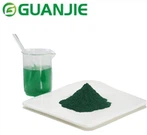
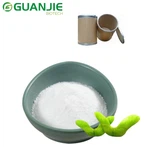
Pure kojic acid powder is naturally widely used in the cosmetic, pharmaceutical, and food industries. Known primarily for its skin-lightening and antioxidant properties, kojic acid powder is commonly incorporated into creams, serums, lotions, and other topical formulations. However, before kojic acid can be effectively used, it must be properly dissolved in suitable solvents to maximize its efficacy and stability. And how to dissolve the kojic acid bulk powder?
Solubility is the ability of a substance (solute) to dissolve in a solvent, resulting in a uniform and stable solution. It is influenced by various factors such as temperature, pH, solvent type, and the presence of other compounds. For pure kojic acid powder, understanding these principles is essential for creating effective formulations in cosmetics and pharmaceuticals.

01
•Temperature
Temperature plays a crucial role in the solubility of pure kojic acid powder. As temperature increases, the solubility of kojic acid also improves. Heating the solvent allows the kojic acid molecules to interact more efficiently with the solvent molecules, accelerating dissolution and promoting a clearer solution.
02
•pH
pH is another important factor. Kojic acid shows greater stability and solubility in slightly acidic to neutral conditions, typically within the pH range of 4.0 to 7.0. In alkaline environments, Pure kojic acid powder is prone to degradation and discoloration, which negatively affects both efficacy and shelf life.
03
•Solvent polarity
Solvent polarity also determines how well pure kojic acid powder dissolves. Due to its polar molecular structure, kojic acid dissolves readily in polar solvents such as water, ethanol, and propylene glycol. These solvents interact effectively with the hydroxyl and carbonyl groups in kojic acid, allowing better dispersion.
04
•Other ingredients
Lastly, the presence of other ingredients-such as surfactants, co-solvents, or stabilizers-can influence solubility by enhancing solvent properties or altering the solution's microenvironment..
How to Dissolve Kojic Acid Powder?
Dissolving pure kojic acid powder correctly is essential to ensure the effectiveness, stability, and uniformity of cosmetic, pharmaceutical, and skincare formulations. Due to its limited solubility in water at room temperature, kojic acid requires specific conditions and techniques for optimal dissolution.

(1)Preparing for Dissolution
Before starting the dissolution process, it is important to prepare properly to achieve the best results.
•Quality of Powder:
Always use high-purity kojic acid powder, preferably pharmaceutical or cosmetic grade. High purity ensures that impurities do not interfere with solubility or product performance.
•Choosing the Right Solvent:
The choice of solvent depends on the intended application and formulation. Pure kojic acid powder dissolves differently in water, alcohol (ethanol), propylene glycol, and their combinations. Selecting the appropriate solvent or solvent blend can significantly impact the dissolution rate and stability of the solution.
•Necessary Equipment:
To facilitate proper dissolution, use laboratory tools such as magnetic stirrers for consistent mixing, water baths to control temperature, pH meters to monitor acidity levels, and filtration devices to remove undissolved particles if necessary.
(2)Dissolving Kojic Acid Powder in Water
Water is the most common solvent for pure kojic acid powder, but its solubility in water varies significantly with temperature.
Step 1:Accurately weigh the amount of kojic acid powder needed for your formulation.
Step 2:Heat distilled or deionized water to a temperature range of 60 to 80 degrees Celsius. Heating increases the solubility of pure kojic acid powder, making it easier to dissolve.
Step 3:Gradually add the pure kojic acid powder into the heated water while stirring continuously. This prevents the powder from clumping together and helps achieve a uniform solution.
Step 4:Continue stirring the mixture for 15 to 30 minutes or until the powder has completely dissolved. The resulting solution should be clear or may have a faint yellow tint.
Step 5:Once dissolved, allow the solution to cool down to room temperature naturally. If any crystals begin to form or precipitation occurs during cooling, gently reheat the solution and stir again until fully dissolved.
Important Notes:
Avoid heating above 80°C, as excessive heat can cause degradation of pure kojic acid powder, reducing its effectiveness.
Use a sealed or covered container during heating and dissolution to minimize evaporation and maintain concentration.
(3)Dissolving Kojic Acid Powder in Ethanol (Alcohol)
Ethanol is another popular solvent for kojic acid, especially in cosmetic formulations due to its high solubility and antimicrobial benefits.
Step 1:Use ethanol with a purity ranging from 70% to 95%, depending on the formulation needs.
Step 2:Slowly add pure kojic acid powder to the ethanol while stirring continuously. The temperature can be maintained at room temperature or slightly elevated up to 40°C to assist dissolution.
Step 3:Stir the solution until the kojic acid powder has fully dissolved, which usually happens faster than in water.
Advantages of Using Ethanol:
Pure kojic acid powder dissolves much more quickly in ethanol compared to water, shortening preparation time.
Ethanol's antimicrobial properties help improve the stability and shelf life of the final product.
(4)Dissolving Kojic Acid Powder in Propylene Glycol or Other Glycols
Propylene glycol is widely used in skincare and pharmaceutical products as a solvent and humectant.
Step 1:Warm the propylene glycol to a temperature between 40 and 50°C to enhance solubility.
Step 2:Gradually introduce kojic acid powder into the warmed glycol with continuous stirring.
Step 3:Maintain stirring until pure kojic acid powder is fully dissolved, yielding a clear or slightly colored solution.
This method is preferred when formulating products that require a non-alcoholic solvent base or improved moisturizing properties.
(5)Utilizing Co-Solvent Systems for Enhanced Solubility
Sometimes, a single solvent may not offer ideal dissolution or stability for kojic acid. In these cases, blending solvents can improve results.
A common example is a mixture of 50% water and 50% ethanol, which combines the solubility advantages of both solvents.
Heat this solvent blend moderately and stir pure kojic acid powder into it until completely dissolved.
Co-solvent systems can improve the overall solubility, stability, and feel of kojic acid-containing formulations, making them versatile for different applications.
(6)Adjusting pH to Optimize Kojic Acid Solubility and Stability
The pH of the solvent system can significantly impact both the solubility and chemical stability of kojic acid.
Pure kojic acid powder is most stable and soluble in slightly acidic conditions, with an optimal pH around 5.
To adjust the pH, additives such as citric acid or lactic acid can be used as buffering agents.
It is crucial to avoid alkaline (basic) conditions since high pH can accelerate kojic acid degradation and reduce its effectiveness.
Careful pH control ensures that kojic acid remains active and soluble throughout the shelf life of the product.
Key Factors Affecting Kojic Acid Dissolution
The process of dissolving pure kojic acid powder into a solution is influenced by a range of physical and chemical factors. Understanding and controlling these variables is essential to achieve full dissolution, ensure product stability, and maintain the integrity of active ingredients. Below are the primary factors that affect the dissolution of pure kojic acid powder.
•Temperature Control
Temperature is one of the most significant factors influencing the solubility of pure kojic acid powder. As a general rule, higher temperatures increase the kinetic energy of molecules, thereby enhancing solubility. In the case of kojic acid, warm to moderately hot water (typically 60°C to 80°C) can significantly improve the rate and completeness of dissolution.
However, care must be taken not to overheat the solution. Excessive heat-particularly temperatures approaching or exceeding 90°C-can lead to the thermal degradation of kojic acid. When degraded, the compound may lose its efficacy, discolor, or form unwanted byproducts. For this reason, controlled heating within the optimal range is recommended during the dissolution process.

•Stirring Speed and Duration
Effective stirring plays a crucial role in ensuring kojic acid is properly dissolved in the chosen solvent. Stirring not only disperses the pure kojic acid powder uniformly but also prevents particles from settling or clumping. By maintaining constant movement within the solution, stirring reduces the diffusion layer around each particle, allowing solvent molecules to come into contact with the powder more efficiently.
Both the speed and the duration of stirring matter. Gentle but continuous stirring is typically sufficient for cosmetic and pharmaceutical applications. In laboratory or industrial settings, magnetic stirrers or overhead mixers are commonly used to maintain consistency. Overly vigorous agitation, however, may introduce air bubbles or cause foaming in certain formulations.
•Particle Size of Kojic Acid
The particle size of the pure kojic acid powder directly influences its dissolution rate. Smaller particles have a greater surface area relative to their volume, which increases their interaction with the solvent. As a result, finely milled kojic acid powders tend to dissolve more quickly and thoroughly than coarser particles.
Manufacturers often micronize pure kojic acid powder to improve its solubility, especially when formulating clear serums or aqueous solutions. Using a fine-grade powder not only enhances the speed of dissolution but also helps produce clearer, more stable end-products.
•Purity and Presence of Additives
The chemical purity of kojic acid significantly affects its behavior in solution. High-purity kojic acid tends to dissolve more consistently and predictably, while the presence of contaminants can hinder solubility and affect overall product clarity. Additives or residual solvents from synthesis may alter the interaction between pure kojic acid powder and the solvent, potentially causing cloudiness, sediment, or changes in pH.
Additionally, certain additives-such as surfactants, preservatives, or emulsifiers-used during formulation can influence how well kojic acid dissolves. While some may aid in dispersion, others may interfere with solubility if not properly balanced.
Dissolving pure kojic acid powder effectively requires understanding its chemical nature, selecting appropriate solvents, controlling temperature and pH, and employing proper stirring methods. This ensures the maximum efficacy, stability, and safety of kojic acid-containing products. Proper dissolution is not just a technical step but a critical process that impacts product quality, performance, and consumer satisfaction across industries. Guanjie Biotech is a trusted supplier of high-quality kojic acid powder. If you're a cosmetics manufacturer looking to incorporate pure kojic acid powder into your formulations, feel free to reach out to us at info@gybiotech.com. Our 100 Kojic acid powder products are certified by HALAL, HACCP, ISO9001, KOSHER, and more, ensuring quality and compliance.