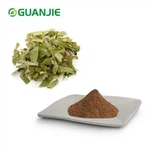
Preserving pure natural astaxanthin is an important task. Because it is a natural pigment with strong antioxidant properties, it is widely used in many fields such as health products, cosmetics, and food additives. Due to its special chemical structure, astaxanthin is sensitive to external factors such as light, heat, oxygen, and humidity. If it is not stored properly, it may cause the degradation of its active ingredients, thus affecting its effect. Therefore, how to scientifically and effectively preserve astaxanthin and ensure its stability and activity during storage is a very important issue. In this article, we will discuss in detail how to preserve astaxanthin.
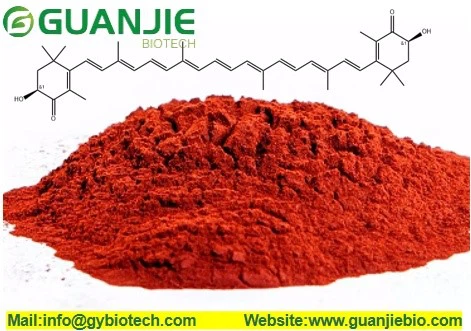
What Is Astaxanthin?
Astaxanthin is a natural carotenoid with very strong antioxidant effects. It is mainly found in certain marine organisms, such as shrimp, crabs, and some algae. Astaxanthin has strong antioxidant properties, can scavenge free radicals, slow down the aging process, and protect cells from oxidative damage. In addition, astaxanthin has multiple health benefits, such as anti-inflammatory, immunomodulation, and eye protection. Therefore, it has been widely used in the field of health products.
However, the stability of astaxanthin is relatively poor. It is easy to degrade under conditions such as high temperature, strong light, humidity, and oxygen. Its degradation products may lose their original antioxidant activity, affecting the efficacy of the product. Therefore, special attention should be paid to these factors when storing astaxanthin.
Factors affecting the stability of astaxanthin
•Light
Astaxanthin is particularly sensitive to light. In particular, exposure to ultraviolet light and strong light will accelerate its degradation process. Light causes photochemical reactions in pure astaxanthin powder molecules. This changes its structure and loses its original antioxidant function. Long-term light exposure accelerates its degradation and may cause color changes, affecting its appearance and effectiveness.
•Temperature
Temperature is an important factor affecting the stability of pure natural astaxanthin. Higher temperatures accelerate the oxidation process of astaxanthin, causing its active ingredients to degrade rapidly. Generally, the higher the temperature, the faster the degradation rate of astaxanthin. Therefore, high-temperature environments should be avoided when storing astaxanthin. In particular, avoid exposing it to high-temperature environments under direct sunlight.
•Oxygen
The antioxidant properties of astaxanthin make it prone to oxidation reactions in high-oxygen environments, leading to its degradation. The presence of oxygen accelerates the oxidation process of astaxanthin molecules, resulting in the loss of its efficacy. Therefore, reducing the contact between astaxanthin and oxygen is the key to ensuring its stability.
•Humidity
A high-humidity environment will also affect the stability of astaxanthin. When the humidity is too high, moisture will accelerate the hydrolysis reaction of astaxanthin. This leads to a decrease in its activity. Therefore, the storage environment of astaxanthin needs to be kept dry to avoid the negative impact of moisture on it.
Optimal storage conditions
In order to ensure the stability of astaxanthin and extend its shelf life, the following storage conditions should be followed.
• Low-temperature storage
Astaxanthin should be stored in a low-temperature environment. Generally speaking, the storage temperature should be controlled below 5°C. Low temperatures can slow down the degradation reaction of astaxanthin and extend its shelf life. During transportation, cold chain transportation is very important to ensure the stability of astaxanthin throughout the circulation process.
•Storage in the dark
Avoiding direct exposure to light is the key to preserving astaxanthin. Astaxanthin should be stored in a light-proof container to avoid ultraviolet rays and strong light. Commonly used containers include light-proof glass bottles, aluminum foil bags or black plastic bottles, etc.

•Sealed storage
To reduce contact with oxygen, astaxanthin should be stored in a sealed container. Vacuum packaging or nitrogen packaging technology can be used to reduce oxygen content, thereby preventing oxidation of astaxanthin. Nitrogen can replace oxygen in the air, further reducing the risk of oxidation.
•Low humidity storage
The humidity of the environment where pure natural astaxanthin is stored should be controlled below 50%. Excessive humidity will promote the hydrolysis and degradation of astaxanthin and reduce its activity. Therefore, the storage environment should be kept dry and avoid storage in humid places.
Guanjie Biotech's astaxanthin is stored in a refrigerator. We use aluminum foil bags for storage. The quality is reliable. If you need a large amount of astaxanthin powder or astaxanthin oil to add to your product, please contact us: at info@gybiotech.com.
How To Store Astaxanthin?
•Refrigerated storage
One of the best ways to store astaxanthin bulk powder is to store it in a refrigerator. Under refrigerated conditions, the temperature is kept between 2-5℃, which can effectively delay the degradation process of astaxanthin. Refrigerated storage can reduce the effects of light and temperature on astaxanthin, thereby maintaining its stability.
•Vacuum packaging
Vacuum packaging can remove air from the package and reduce oxygen exposure to astaxanthin. This can prevent its oxidative degradation. Vacuum packaging can effectively extend the shelf life of pure natural astaxanthin and is suitable for long-term storage. Common vacuum packaging methods include using vacuum bags or vacuum cans.
•Nitrogen packaging
Using nitrogen packaging is a method to reduce oxygen content and delay oxidation reactions. During the packaging process, nitrogen will replace the oxygen in the container, providing a low-oxygen environment for astaxanthin. This method is suitable for long-term storage of astaxanthin, especially during large-scale production and transportation.
•Freezing
For astaxanthin that needs to be stored for a long time, freezing is also an effective option. In an environment below -18℃, astaxanthin can maintain stability for a long time. However, freezing may have a certain effect on the texture and solubility of astaxanthin, so it needs to be used with caution.
Solutions
•Color change of astaxanthin
During the storage process, if astaxanthin is affected by poor storage conditions, such as high temperature, strong light or oxidation, color changes may occur. The color of astaxanthin changes from red to brown or dull, indicating that its active ingredients have begun to degrade. Therefore, during storage, conditions such as light-proof, low temperature, and sealing should be ensured.
•Agglomeration or decomposition
In high-humidity environments, pure natural astaxanthin may absorb moisture and clump, affecting its effectiveness. To prevent agglomeration, it should be kept dry during storage, and hygroscopic materials such as desiccants can be used to control humidity.
•Oxidative degradation
If astaxanthin is exposed to oxygen for too long, it may cause oxidative degradation and lose its antioxidant activity. To avoid oxidation, methods such as vacuum packaging, nitrogen packaging, or low-temperature storage should be used to reduce oxygen exposure.
The preservation of astaxanthin is a complex and delicate process that requires strict control of external factors such as temperature, humidity, light, and oxygen. By taking preservation measures such as low temperature, light-proof, sealing, and drying, the stability of astaxanthin can be effectively maintained, its shelf life can be extended, and its efficacy in the final product can be ensured. Guanjie Biotech's pure natural astaxanthin is stored in a refrigerator. Our products have passed many certifications such as HACCP, ISO90001, KOSHER, HALAL, etc. If you need a large amount of astaxanthin powder or astaxanthin oil to add to your products, please contact us: at info@gybiotech.com.