


3 3 Diindolylmethane powder has gained significant attention in recent years as a natural compound with promising health benefits. It is from cruciferous vegetables such as broccoli, kale, and cabbage, DIM has become a popular ingredient in dietary supplements aimed at supporting hormonal balance, detoxification, and cellular health. However, despite its plant-based origins, there is ongoing debate about whether DIM should truly be classified as a natural supplement.


What Are The Properties Of Diindolylmethane?
3 3 Diindolylmethane powder is an indole-based compound with the molecular formula C17H14N2, composed of two indole rings linked by a methane bridge. Although DIM itself is not directly present in plants, it naturally forms in the human body through the digestion of cruciferous vegetables such as broccoli, cabbage, cauliflower, and Brussels sprouts. These vegetables contain glucobrassicin, a glucosinolate that, under stomach acidity, breaks down into indole-3-carbinol (I3C). The I3C molecules then condense to form DIM through a spontaneous chemical reaction. This process highlights DIM's natural origin as a dietary metabolite, not a synthetic compound.
What Are Natural Sources of DIM?
While 3 3 Diindolylmethane powder itself is not found in raw vegetables, it originates entirely from cruciferous vegetables. These include:
• Broccoli
• Brussels sprouts
• Cauliflower
• Cabbage
• Kale
• Collard greens
• Bok choy
The glucobrassicin content in these vegetables determines the potential yield of indole-3-carbinol and, consequently, DIM. For example, a 100-gram serving of broccoli may generate only a few milligrams of 3 3 Diindolylmethane powder after digestion. Cooking methods can influence this yield: light steaming preserves glucosinolates, while boiling or microwaving may degrade them, reducing DIM formation.
However, the amount of 3 3 Diindolylmethane powder that naturally forms from normal vegetable consumption is relatively small. Achieving the concentrations used in clinical research (100–300 mg/day) would require consuming several pounds of cruciferous vegetables daily-an impractical amount. Hence, supplements are formulated to deliver a standardized and concentrated dose of this naturally derived compound.
The 3 3 Diindolylmethane powder used in supplements is typically produced through semi-synthetic or synthetic methods. Industrially, manufacturers derive DIM from indole-3-carbinol or from other natural indole precursors using controlled chemical reactions. These reactions yield high-purity DIM that is chemically identical to the compound produced in the human body.
The production process includes several stages:
•Synthesis or extraction of indole precursors.
•Condensation reaction to form 3,3′-diindolylmethane.
•Purification to remove any byproducts.
•Quality testing for purity, potency, and stability.
Even though it may be produced in a laboratory setting, the compound itself remains nature-identical. Regulatory bodies such as the U.S. FDA and European Food Safety Authority (EFSA) often categorize such compounds as "natural-derived" or "nature-identical", meaning they are structurally and functionally equivalent to the naturally occurring form.

What Are Mechanism Action Of DIM?
DIM exerts its biological effects through multiple molecular pathways. The most well-known mechanism is its role in modulating estrogen metabolism. DIM promotes the conversion of estrogen into less active forms by increasing the 2-hydroxyestrone pathway and reducing the 16α-hydroxyestrone pathway. This rebalancing effect supports hormonal equilibrium and reduces estrogen dominance, which is particularly beneficial for women's health (e.g., premenstrual symptoms, menopause) and men's health (e.g., prostate function).
Beyond hormonal modulation, 3 3 Diindolylmethane powder has demonstrated the following biological functions:
• Antioxidant activity:
It scavenges free radicals, reducing oxidative stress.
• Detoxification support:
DIM activates phase I and II detoxification enzymes in the liver.
• Anti-inflammatory properties:
It modulates inflammatory cytokines, supporting immune balance.
• Cellular regulation:
Studies suggest DIM can influence cell cycle regulation and promote apoptosis in abnormal cells, indicating potential anticancer properties.
Clinical and preclinical studies have supported these benefits, showing that 3,3 Diindolylmethane powder can contribute to metabolic health, immune regulation, and hormonal balance-all of which reinforce its natural biological activity.
A critical part of understanding whether 3,3-diindolylmethane powder is a natural supplement lies in distinguishing between natural-origin and synthetic-identical forms.
From a molecular standpoint, there is no difference between naturally produced DIM and synthetically manufactured 3 3 Diindolylmethane powder. Both have the same atomic structure and exert the same biological effects in the human body.
However, the difference arises in production method and consumer perception. Some consumers associate "natural" only with direct extraction from plants, while regulators and scientists often define "natural" as any compound naturally found in biological systems, regardless of whether it is synthesized or extracted.
In the nutraceutical market, manufacturers prefer synthetic or semi-synthetic DIM because it ensures consistent potency, purity, and stability, which are difficult to achieve through direct plant extraction.
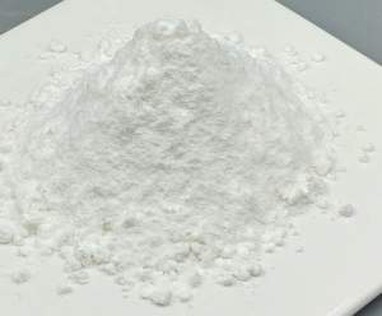
Natural DIM
Produced endogenously from vegetable digestion
Synthetic DIM
Manufactured through controlled chemical synthesis, yet chemically identical to natural DIM.
Is DIM Safe?
3 3 Diindolylmethane powder is generally considered safe and well-tolerated, especially when consumed in recommended doses. The compound's safety profile has been established through animal studies and human clinical trials.
Common side effects may include:
- Mild gastrointestinal discomfort
- Headache
- Darkened urine (a harmless metabolite effect)
- Temporary hormonal adjustments during initial supplementation
Typical supplement dosages range from 100–300 mg 3 3 Diindolylmethane powder per day, which is far higher than what can be achieved through diet alone. This dosage is often used in studies examining hormone balance and cancer prevention.
Nevertheless, individuals taking hormone-based medications (such as birth control or hormone replacement therapy) should consult healthcare professionals before starting DIM, as it may influence estrogen metabolism.
The efficacy of 3,3 Diindolylmethane powder supplements largely depends on bioavailability-the amount absorbed into circulation. Formulations that include microencapsulation or absorption enhancers (like phosphatidylcholine) can significantly increase bioavailability.
Is DIM Truly "Natural"?
Determining whether 3 3 Diindolylmethane powder is truly natural depends on how "natural" is defined. There are three main perspectives.
• Biological Definition:
From a biological perspective, DIM is natural because it is produced in the body through the digestion of natural vegetables. It exists as a natural metabolite and is not foreign to biological systems.
•Chemical Definition:
Chemically, synthetic DIM is identical to natural 3 3 Diindolylmethane powder, meaning it possesses the same molecular structure, functionality, and effects. Therefore, even if manufactured, it is chemically natural.
•Philosophical and Consumer Definition:
Consumers often equate "natural" with "directly derived from plants" and "free from laboratory synthesis." Under this view, synthetic DIM might not qualify as natural. However, the supplement industry and scientific community use the term "natural-identical" to describe such compounds-those originally found in nature but produced synthetically for efficiency and purity.
Given these perspectives, 3 3 Diindolylmethane powder can be accurately described as a nature-derived supplement, since it originates from natural plant compounds and mirrors their biological function in humans.
Ultimately, what matters most is safety, efficacy, and bioequivalence-criteria that DIM meets comprehensively. Whether produced by digestion or synthesized in a lab, its benefits remain the same: hormone balance, antioxidant defense, and detoxification support.
Conclusion
3 3 Diindolylmethane powder embodies the bridge between nature and science. While it is not directly extracted from plants, it is undeniably a natural compound-a product of cruciferous vegetable digestion and human biochemistry. Industrial synthesis simply allows us to produce it in sufficient quantities for health applications, without altering its fundamental structure or biological properties.
From a regulatory and scientific standpoint, 3 3 Diindolylmethane powder is best classified as a "nature-identical" or "natural-derived" supplement. It possesses the same structure and benefits as the DIM naturally formed in the body after vegetable consumption.
The growing interest in 3,3-diindolylmethane powder reflects a larger trend toward functional, plant-based health solutions that combine natural origins with modern manufacturing precision. Guanjie Biotech is a trusted diindolylmethane supplier, which provide bulk high-purity Diindolylmethane DIM powder for nutraceutical use. Consumers can access consistent, safe, and effective DIM supplements that deliver the full potential of this remarkable natural compound. Welcome to enquire with us at info@gybiotech.com.
References
[1]Higdon, J. V., & Delage, B. (2007). Cruciferous vegetables and human cancer risk: Epidemiologic evidence and mechanistic basis. Pharmacological Research, 55(3), 224–236.
[2] Bradlow, H. L., & Sepkovic, D. W. (2004). Indole-3-carbinol and 3,3′-diindolylmethane in the regulation of estrogen metabolism. Journal of Nutrition, 134(12), 3479S–3485S.
[3] Safe, S., Papineni, S., & Chintharlapalli, S. (2008). Cancer chemotherapy with indole-3-carbinol, bis(3′-indolyl)methane and synthetic analogs. Cancer Letters, 269(2), 326–338.
[4] EFSA Panel on Nutrition, Novel Foods and Food Allergens (NDA). (2020). Safety of diindolylmethane as a novel food pursuant to Regulation (EU) 2015/2283. EFSA Journal, 18(10):6251.
[5] U.S. Food and Drug Administration (FDA). (2023). Guidance for Industry: Questions and Answers on Dietary Supplements.
[6] Zeligs, M. A. (2006). Safety and efficacy of dietary diindolylmethane for estrogen metabolism. Integrative Cancer Therapies, 5(1), 7–17.


