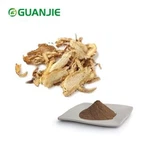
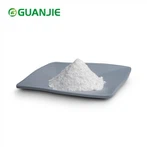
No, ferulic acid and hyaluronic acid are not the same. Their chemical structures, sources, functions, and skincare benefits are entirely different. Both pure ferulic acid powder and hyaluronic acid bulk powder are valuable in skincare, but they serve distinct purposes and are not interchangeable. This passage will explore their differences.

Ferulic Acid vs. Hyaluronic Acid
The cosmetic and pharmaceutical industries often spotlight ingredients touted for their skin-enhancing and anti-aging properties. Among them, ferulic acid and hyaluronic acid are frequently mentioned. Despite both being popular skincare ingredients, they are fundamentally different substances with distinct properties and benefits.
Chemical Structure and Nature
Ferulic Acid
Ferulic acid (4-hydroxy-3-methoxycinnamic acid) is a phenolic compound classified as a hydroxycinnamic acid. Its molecular formula is C10H10O4. It features a phenolic ring with methoxy and hydroxyl substitutions, which are responsible for its antioxidant activity. Ferulic acid is part of the plant's defense system and is commonly found esterified in the cell walls of fruits, vegetables, and grains.

Hyaluronic Acid
Hyaluronic acid bulk powder is also known as hyaluronan, is a polysaccharide composed of repeating disaccharide units of D-glucuronic acid and N-acetyl-D-glucosamine. Its molecular formula is approximately (C14H21NO11)n, depending on its chain length. It belongs to the glycosaminoglycan family and is naturally found in the extracellular matrix of connective tissues, skin, and synovial fluid.

Key Differences
|
Feature |
Ferulic Acid |
Hyaluronic Acid |
|
Chemical Class |
Phenolic compound |
Polysaccharide (glycosaminoglycan) |
|
Molecular Weight |
~194 g/mol |
50,000 – 3,000,000 Da (variable) |
|
Water Solubility |
Moderate |
Very high |
|
Charge |
Neutral or weak acid |
Negatively charged |
|
Origin |
Plant-derived |
Animal tissues or microbial fermentation |
Sources
Ferulic Acid Sources
Pure ferulic acid powder is commonly found in the cell walls of plants, especially in the seeds and leaves. It is abundant in:
- Grains such as rice bran, wheat bran, oats, and corn
- Fruits and vegetables like apples, oranges, pineapples, and tomatoes
- Coffee and nuts
Hyaluronic Acid Sources
Hyaluronic acid bulk powder is naturally present in connective tissues of animals and humans, particularly in:
- Skin (dermis)
- Synovial fluid of joints
- Vitreous humor of the eye
- Umbilical cord and cartilage
Benefits Comparison
|
Feature |
Ferulic Acid |
Hyaluronic Acid |
|
Main Benefit |
Antioxidant protection |
Deep hydration |
|
Anti-Aging |
Yes, via oxidative stress reduction |
Yes, via moisture retention |
|
Brightening |
Yes |
No (indirect via plumping) |
|
Sun Damage Protection |
Yes |
No |
|
Hydration |
Mild (indirect via barrier protection) |
Strong (direct moisture binding) |
|
Inflammation |
Anti-inflammatory |
Soothing, especially post-procedure |
|
Acne |
May reduce inflammation |
Non-comedogenic, good for hydration
|
Safety and Tolerability
Pure ferulic acid powder is generally considered safe for topical use when formulated at concentrations up to 1%. It is commonly found in serums and creams designed for antioxidant protection and anti-aging benefits. However, like many active ingredients, ferulic acid can cause mild skin irritation, redness, or allergic reactions in individuals with sensitive skin, especially when used in high concentrations or combined with other potent actives. Proper storage is crucial, as ferulic acid is prone to oxidation when exposed to air, light, or heat, which can reduce its effectiveness and stability over time. Using air-tight, dark-colored containers is recommended to preserve its integrity.
Hyaluronic Acid is widely recognized for its excellent safety profile and high tolerability across all skin types, including sensitive, dry, or compromised skin. Since it is a naturally occurring substance in the human body, allergic reactions are extremely rare. Topical formulations are gentle and hydrating, making them suitable for daily use. However, when administered as an injectable (e.g., dermal fillers), bulk powder should only be used by qualified medical professionals, as improper technique may lead to side effects such as swelling, bruising, or, in rare cases, vascular complications. Overall, both ingredients are well-tolerated when used appropriately.
Biological Roles and Mechanisms
Ferulic Acid's Role in Plants and Humans
In plants, pure ferulic acid powder contributes to cell wall rigidity by cross-linking polysaccharides and lignin. It also protects plants from UV damage and pathogens due to its antioxidant capacity.
In humans, ferulic acid acts primarily as a powerful antioxidant. It scavenges free radicals, reduces oxidative stress, and exhibits anti-inflammatory and photoprotective effects. Some studies indicate potential benefits in cardiovascular health, neuroprotection, and anti-cancer activities.

Hyaluronic Acid's Role in the Human Body
Hyaluronic acid bulk powder is a key structural molecule in connective tissue, responsible for maintaining hydration, elasticity, and tissue repair. It can hold up to 1000 times its weight in water, making it essential for skin moisture and joint lubrication.
HA also:
- Facilitates cell migration during wound healing
- Modulates inflammation
- Acts as a space-filling molecule, cushioning tissues
In the extracellular matrix, HA contributes to mechanical resilience and biochemical signaling.
Scientific Research and Evidence
Ferulic Acid:
In preclinical studies, pure ferulic acid powder has been shown to protect skin cells from oxidative damage induced by ultraviolet (UV) radiation and environmental stressors. It helps stabilize other antioxidants-such as vitamin C (ascorbic acid) and vitamin E (tocopherol)-making them more effective and longer-lasting in skincare formulations. This synergistic action has been the subject of growing interest in cosmetic science, especially in the development of anti-aging serums and photoprotective skincare products.
Although clinical research on ferulic acid in humans is still developing, early trials and observational studies suggest promising benefits for skin health, pigmentation reduction, and wrinkle prevention. Human studies have shown that topical application of ferulic acid-especially in combination with vitamins C and E-can significantly improve the skin's resistance to UV-induced damage and reduce the appearance of fine lines and dark spots.
Beyond dermatology, preliminary research also explores ferulic acid's potential in cardiovascular protection, neuroprotection, and anti-cancer therapy.
In summary, pure ferulic acid powder is supported by a robust body of preclinical evidence and growing clinical data, particularly in the skincare field. Its synergistic potential with other antioxidants makes it a valuable ingredient in both cosmetic and nutraceutical applications.

Hyaluronic Acid
Hyaluronic acid bulk powder (HA) is one of the most well-studied biopolymers in both the medical and cosmetic fields. Its biological functions and therapeutic applications are backed by decades of clinical research.
In dermatology, numerous randomized controlled trials (RCTs) have confirmed HA's effectiveness in improving skin hydration, elasticity, and overall appearance. Topical products containing HA are shown to reduce the visibility of fine lines and wrinkles by plumping and moisturizing the skin. Injectable HA fillers, widely used in aesthetic medicine, have a long track record of efficacy and safety for volume restoration and wrinkle correction.
Beyond cosmetics, HA plays a critical role in orthopedic and ophthalmologic treatments. Clinical trials have established its effectiveness in intra-articular injections for the treatment of knee osteoarthritis, where it helps lubricate joints, reduce pain, and improve mobility. Similarly, hyaluronic acid eye drops are commonly prescribed to relieve dry eye symptoms and support corneal healing.
In recent years, researchers have begun exploring the oral supplementation of HA and its potential systemic effects. While its bioavailability when taken orally was once questioned due to its high molecular weight, emerging studies suggest that low molecular weight HA may be absorbed and contribute to improvements in skin hydration, joint function, and overall tissue health.
Additionally, hyaluronic acid remains a subject of ongoing investigation for its role in regenerative medicine, particularly in tissue engineering and wound healing. Its biocompatibility, viscoelasticity, and ability to promote cell migration make it a promising candidate for developing biomaterials and scaffolds for tissue repair.
Hyaluronic acid bulk powder stands on a solid foundation of extensive clinical evidence and has been proven effective in a wide range of applications-from skincare and joint health to ophthalmology and beyond. Its safety profile and versatility make it a cornerstone ingredient in modern health and wellness formulations.
Frequently Asked Questions (FAQs)
Q: Are Ferulic Acid and Hyaluronic Acid the Same?
A: No, pure ferulic acid powder and hyaluronic acid bulk powder are entirely different substances. Ferulic acid is a plant-derived antioxidant, classified as a phenolic compound, known for neutralizing free radicals and protecting the skin from oxidative stress. In contrast, hyaluronic acid is a naturally occurring polysaccharide found in the human body that plays a vital role in retaining moisture and maintaining skin elasticity.
Q: Can Ferulic Acid and Hyaluronic Acid Be Used Together?
A: Absolutely. These two ingredients are often combined in skincare products to maximize results. Ferulic acid offers protection against environmental damage and supports the stability of other antioxidants like vitamin C and E. Hyaluronic acid, on the other hand, provides deep hydration by attracting and holding water in the skin. Used together, they form a powerful duo that targets multiple signs of aging.
Q: Which One Is Better for Anti-Aging?
A: Both ingredients contribute to anti-aging, but in different ways. Pure ferulic acid powder focuses on preventing premature aging by shielding the skin from oxidative damage. Hyaluronic acid bulk powder improves skin hydration, plumpness, and texture. For comprehensive skincare benefits, using both ingredients in combination is more effective than relying on one alone.
Pure ferulic acid powder and hyaluronic acid bulk powder are two important but fundamentally different molecules widely used in the health and beauty industries. Ferulic acid is a potent phenolic acid mainly derived from plants, protecting cells from oxidative damage and enhancing photoprotection. Hyaluronic acid is a naturally occurring polysaccharide crucial for skin hydration, elasticity, and tissue repair. Their combined use offers comprehensive skincare benefits that address both skin protection and moisture retention.
If you're a skincare product manufacturer seeking high-quality ingredients, Guanjie Biotech is your trusted source. We offer high-purity pure ferulic acid powder and bulk hyaluronic acid powder to meet your formulation needs. For inquiries or orders, feel free to contact us at info@gybiotech.com. We ensure reliable quality and professional service for your product development.