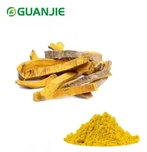
100 Kojic acid powder is widely recognized as an effective active ingredient in the cosmetic and pharmaceutical industries. Derived primarily from fungi such as Aspergillus and Penicillium species, it is valued for its skin-lightening properties and is commonly used in formulations to treat hyperpigmentation, melasma, age spots, and other pigmentary disorders. This compound's ability to inhibit melanin production has positioned it as a cornerstone ingredient in brightening skincare products. This article provides an extensive overview of 100 Kojic acid powder as an active ingredient.

Chemical Nature and Origin of Kojic Acid
Chemical Structure and Properties
100 Kojic acid powder is a hydroxypyrone compound with the chemical formula C6H6O4. Its IUPAC name is 5-hydroxy-2-(hydroxymethyl)-4H-pyran-4-one. The molecule features a pyranone ring, which plays a crucial role in its biological activity, especially in metal ion chelation.
100 Kojic acid powder appears as a white to pale yellow crystalline powder, soluble in water, ethanol, and propylene glycol, which makes it versatile for incorporation in aqueous or semi-aqueous cosmetic formulations.
Natural Sources and Biosynthesis
100 Kojic acid powder is produced by several fungi species, mainly Aspergillus oryzae, also known as "koji mold," used in the fermentation of traditional Japanese foods like soy sauce and sake. It is also a secondary metabolite in some Penicillium species.
Its natural origin is valued for being a "natural" alternative to synthetic skin-lightening agents, contributing to its popularity in natural or "clean" cosmetic products.
Kojic Acid as an Active Ingredient
Definition of Active Ingredient
An active ingredient in a cosmetic or pharmaceutical product is a compound responsible for the product's intended biological effect. Kojic acid qualifies as an active ingredient because it exhibits specific bioactivity, primarily the inhibition of melanin synthesis-directly influencing skin pigmentation.
Mechanism of Action
The primary activity of 100 Kojic acid powder is its ability to inhibit the enzyme tyrosinase, which is critical in melanin biosynthesis. Tyrosinase catalyzes the oxidation of tyrosine to DOPA and then to dopaquinone, steps that lead to melanin production.
Kojic acid binds to the copper ions in the active site of tyrosinase, effectively chelating them and preventing enzymatic activity. This results in reduced melanin formation, leading to lighter skin and fading of hyperpigmented spots.
Additionally, kojic acid has antioxidant properties, scavenging free radicals, which can also contribute to skin protection and anti-aging effects.

Comparison with Other Skin-Lightening Agents
100 Kojic acid powder is often compared to hydroquinone, arbutin, and azelaic acid:
Hydroquinone is considered the gold standard but has concerns over safety with long-term use.
Arbutin is a glycosylated hydroquinone derivative and tends to be milder.
Kojic acid is valued for being less irritating than hydroquinone, though it may cause sensitivity in some users.
Mechanism of Action
Tyrosinase Inhibition
The primary mode by which 100 Kojic acid powder exerts its activity is by inhibiting tyrosinase, a key copper-containing enzyme responsible for melanin production in melanocytes (skin pigment cells). Melanin synthesis involves the oxidation of tyrosine to dopaquinone, catalyzed by tyrosinase.
Kojic acid chelates the copper ions present in the active site of tyrosinase, preventing the enzyme from catalyzing the production of melanin. As a result, it reduces melanin synthesis, leading to skin lightening and the fading of hyperpigmented lesions.
Antioxidant Activity
Besides inhibiting tyrosinase, kojic acid also exhibits antioxidant properties by scavenging free radicals. Oxidative stress can stimulate melanogenesis; by reducing oxidative damage, kojic acid helps to prevent pigmentation triggered by UV exposure and environmental pollutants.
Benefits of Kojic Acid as an Active Ingredient
Powerful Skin Brightening Agent
100 Kojic acid powder is widely recognized for its ability to visibly reduce skin pigmentation and promote a more even skin tone. It works by inhibiting tyrosinase, the enzyme responsible for melanin production. As a result, it effectively targets dark spots, melasma, freckles, and post-inflammatory hyperpigmentation. With consistent use, kojic acid can help fade discoloration and leave the skin looking brighter, clearer, and more radiant.

Offers Antioxidant Protection
Beyond its skin-lightening effects, 100 Kojic acid powder also possesses antioxidant properties that help defend the skin against environmental stressors. It neutralizes harmful free radicals generated by UV exposure and pollution, which are known to accelerate skin aging and trigger pigmentation. By reducing oxidative stress, kojic acid supports healthier skin and helps maintain a youthful appearance.
Naturally Derived Ingredient
One of the key appeals of 100 Kojic acid powder is its natural origin. It is a by
product of fermentation, typically sourced from fungi such as Aspergillus oryzae, or derived during the fermentation of rice used in sake production. Its natural background makes it especially attractive to consumers looking for clean, botanical-based skincare products. Kojic acid fits well into the growing demand for organic and plant-derived cosmetic ingredients.
Multifunctional Properties
100 Kojic acid powder is not limited to just lightening the skin-it also exhibits antibacterial and antifungal activity. These additional properties make it useful in treating acne-prone or problematic skin, as it can help reduce the presence of acne-causing bacteria and fungal infections. Its multifunctional nature allows it to be used in a wide range of skincare and cosmetic formulations targeting various skin concerns.
Works Well with Other Active Ingredients
100 Kojic acid powder is highly versatile and can be combined with other actives to enhance overall product efficacy. It pairs well with ingredients like vitamin C, niacinamide, arbutin, and alpha hydroxy acids, allowing formulators to create powerful multi-target treatments. These combinations often improve results while balancing potential side effects, making kojic acid an excellent component in both single and multi-ingredient solutions.
Safety and Side Effects
Irritation and Sensitivity
100 Kojic acid powder can cause skin irritation, redness, itching, and contact dermatitis, especially in sensitive individuals or when used in high concentrations or with prolonged application.
Allergic Reactions
Although rare, some users may develop allergic reactions. Patch testing before widespread use is recommended.
Regulatory Status
In many countries, kojic acid is approved for cosmetic use up to specific concentration limits (usually up to 1-2%).
Some regions regulate 100 Kojic acid powder strictly due to concerns about potential carcinogenicity observed in animal studies at very high doses, though this is not confirmed in humans.
100 Kojic acid powder is indeed a potent and well-established active ingredient widely used for its skin lightening and antioxidant properties. Its ability to inhibit tyrosinase makes it highly effective in reducing pigmentation and improving skin tone. Guanjie Biotech is a trusted supplier of high-quality kojic acid powder. If you're a cosmetics manufacturer looking to incorporate bulk kojic acid into your formulations, feel free to reach out to us at info@gybiotech.com. Our 100 Kojic acid powder products are certified by HALAL, HACCP, ISO9001, KOSHER, and more, ensuring quality and compliance.