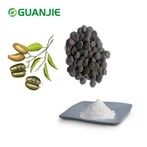
Bulk Lecithin has good emulsifying properties, biological activity, and nutritional value. It is widely used in food, health products, medicine, and cosmetics. There are two main forms of lecithin products on the market: powdered lecithin and liquid lecithin. So, which of these two forms is better?

Characteristics Of Lecithin Powder
Lecithin powder is a lecithin product that has been dehydrated and dried. By spray-drying or freeze-drying liquid lecithin, the resulting lecithin powder has the following characteristics:
Easy To Store And Transport
Powdered lecithin is more convenient to transport and store than liquid lecithin because it does not contain water. It is less affected by environmental factors such as humidity and temperature and is relatively stable during storage.
Longer Shelf Life
Bulk Lecithin powder has a lower moisture content and usually has a longer shelf life than liquid lecithin. Low moisture effectively prevents the growth of microorganisms, thereby improving product stability.
Easy To Measure And Add
Lecithin in powder form can be measured accurately with ease, making it suitable for applications that require precise dosing. Its powdered form is ideal for fast and accurate feeding through automated equipment.
Easy To Process And Use
Due to its dry nature, lecithin powder is easy to mix with other ingredients, especially in the production of food and health products. Lecithin powder blends better with other dry substances.
Possible Limitations
Although lecithin powder has the above advantages, it also has certain limitations. For example, in some products that require a higher emulsification effect, powdered lecithin may not be as effective as liquid lecithin.
Characteristics Of Lecithin Liquid
Bulk Lecithin liquid is lecithin that has not been dried. It has the following characteristics:
Excellent Emulsification Effect
Organic liquid lecithin has a stronger emulsifying ability than powdered lecithin. In liquid food, beverages, and other products, liquid lecithin can better form an emulsion, improving the product's stability and taste.

Quick Mixing
Liquid lecithin quickly blends with other liquid ingredients, making it ideal for fast production processes, saving time, and improving production efficiency.
No Additional Dissolution Process Needed
In some applications where lecithin needs to be added directly to a liquid system, liquid lecithin is more convenient. It does not require an additional dissolution process and can be used directly.
Shorter Shelf Life And Storage Requirements
Compared to bulk lecithin powder, liquid lecithin generally has a shorter shelf life. In humid or high-temperature environments, liquid lecithin is prone to oxidation and deterioration, requiring more stringent storage conditions.
Higher Transportation And Storage Costs
Since liquid lecithin contains water, it requires more sophisticated packaging and transportation conditions to prevent quality issues due to changes in temperature or humidity. As a result, the transportation and storage costs of liquid lecithin are higher.
Application Comparison
Food Industry
In the food industry, organic liquid soy lecithin is mainly used as an emulsifier, stabilizer, and antioxidant. Lecithin powder is often used in baked goods, ready-to-eat foods, and condiments to extend shelf life and improve taste. Liquid lecithin is used in liquid products like oil blending, salad dressings, and beverages, providing better emulsification.
Cosmetic Industry
In cosmetics, bulk lecithin is used for emulsification, moisturizing, and anti-oxidation. Lecithin powder is typically used in dry creams, facial masks, etc., while liquid lecithin is better for daily use in liquid products like lotions and facial cleansers.
Health Care Products Industry
Lecithin is used as a phospholipid nutritional supplement in health care products, typically in the form of lecithin capsules or gummies. Lecithin powder is more suitable for large-scale production and as a raw material, while liquid lecithin is often used in liquid beverages and nutrient solutions.
Pharmaceutical Industry
In the pharmaceutical industry, lecithin is used for sustained drug release and the emulsification of oral liquids. Liquid lecithin is ideal for liquid pharmaceutical preparations due to its excellent emulsifying properties, while powdered lecithin is suited for solid drug preparations.
Guanjie Biotech's Lecithin Products
Guanjie Biotech is a bulk lecithin supplier offering three forms of lecithin: lecithin powder, lecithin liquid, and lecithin wax. Today, we will specifically introduce lecithin powder and liquid, both derived from soybeans and sunflower seeds.

Powdered Lecithin
Powdered lecithin is usually made by deoiling and drying. It has a higher phospholipid content, especially a more concentrated PC content. It appears as a light yellow or light brown powder with a dry texture and good fluidity. Powdered lecithin is easier to use in solid foods, tablets, capsules, and meal replacement powders, and is simple to mix, weigh, and store.
For example, Guanjie Biotech's soybean lecithin powder has a PC content of up to 20-40%, while sunflower seed lecithin powder has a PC content of up to 50-70%. This makes it an important raw material for high-end nutritional products and functional foods.
Liquid Lecithin
Liquid lecithin retains more oil components, with a PC content generally ranging from 8% to 35%. It is a tan to dark brown liquid with a viscous texture and needs to be sealed and stored away from light. Liquid bulk lecithin offers excellent solubility in the oil phase and emulsifying ability, making it ideal for food, beverages, or nutrient solutions that require rapid dispersion and emulsification.
Guanjie Biotech's liquid soybean lecithin and sunflower seed lecithin have a PC content range of 8%-35%. The advantages include good solubility and strong dispersibility, making them suitable for product development in various liquid systems.

Guanjie Biotech provides comprehensive bulk lecithin powder and liquid solutions as a professional raw material lecithin supplier.
A complete testing system ensures that the PC content in the product meets labeling requirements.
Non-GMO raw materials, natural and safe, compliant with EU and US standards.
OEM and customized services to meet different customer application scenarios.
Good solubility and processing compatibility, suitable for various industrial applications.
Is Liquid or Powder Lecithin Better?
Choosing powdered or liquid lecithin depends primarily on factors. Such as application requirements, production processes, and storage conditions. Here are some guidelines to help in the selection:
Product Solubility Requirements
If high solubility is required, liquid lecithin is undoubtedly the better choice. Liquid lecithin mixes quickly with other ingredients, reducing dissolution time. For solid products like biscuits and candies, lecithin powder is more suitable.
Storage And Transportation Conditions
Liquid lecithin needs to be stored under more stringent conditions to avoid high temperatures and humidity.
Powdered lecithin offers more storage advantages. During long-term transportation and storage, powdered lecithin is not easily affected by external factors, making it suitable for batch production and long-term storage.
Lecithin powder and liquid each have their advantages, and neither is superior to the other. The key is to match the usage scenario, product attributes, and budget. Guanjie Biotech's soybean and sunflower seed lecithin powder (PC20-70) and liquid lecithin (PC8%-35%) offer the ideal balance of functionality and applicability, making them perfect lecithin solutions for companies in multiple industries. Companies can choose the appropriate form based on their needs to achieve the optimal balance between product value and function. If your products need to add bulk lecithin, welcome to consider Guanjie Biotech. Our products have passed HALAL, HACCP, ISO90001, KOSHER and other products. Welcome to enquiry:info@gybiotech.com.