


In the nutrition, functional food, and dietary supplement industries, serine and pure phosphatidylserine often sound similar but represent very different substances. One common source of confusion is the question: Is serine the same as phosphatidylserine?
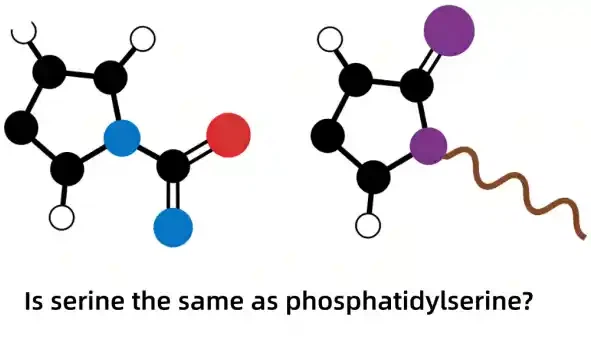
What Is Serine?
Serine is a standard amino acid, one of the fundamental building blocks of proteins. Amino acids are small organic molecules that combine to form proteins, which are essential for nearly all biological processes.
Serine exists in two forms:
L-serine – the biologically active form found in humans and foods
D-serine – less common, mainly involved in neurological signaling
In commercial and nutritional contexts, L-serine is the relevant form.
Natural Occurrence and Supply
Serine is widely present in:
Meat, fish, and dairy products
Soybeans and other legumes
Nuts and seeds
Whole grains
Because serine is common in everyday foods and can also be synthesized in the human body, it is classified as a non-essential amino acid.
Commercial Role of Serine
From a business standpoint, serine is:
A low-cost, high-volume commodity ingredient
Used mainly in basic nutrition, animal feed, fermentation media, and pharmaceutical intermediates
Rarely marketed as a premium standalone supplement
Its value lies in bulk availability and fundamental biological necessity, not in specialized health claims.
What Is Phosphatidylserine?
Phosphatidylserine PS is a phospholipid, not an amino acid. Although it contains serine as part of its structure, phosphatidylserine is a much larger and more complex molecule.
Chemically, phosphatidylserine consists of:
A glycerol backbone
Two fatty acid chains
A phosphate group
A serine head group
This structure gives pure phosphatidylserine unique functional properties that serine alone does not possess.
Natural Occurrence
Phosphatidylserine is naturally found in:
Cell membranes of all living organisms
High concentrations in brain tissue and nerve cells
Small amounts in foods such as soybeans, fish, and organ meats
In modern diets, natural intake of phosphatidylserine is relatively low, which is one reason supplementation has become commercially important.
Is Serine The Same As Phosphatidylserine?
Although serine and pure phosphatidylserine share a related chemical origin and a similar name, they are fundamentally different substances in terms of structure, biological function, and commercial value. Confusing the two is common, especially outside scientific or nutraceutical circles, but from a formulation, regulatory, and market positioning standpoint, they should never be treated as interchangeable.

Structural Differences
At the most basic level, the difference between serine and pure phosphatidylserine lies in their molecular classification and complexity.
• Molecular Type
Serine is a proteinogenic amino acid, meaning it is one of the basic building blocks used by the body to synthesize proteins; Phosphatidylserine (PS) is a phospholipid, a complex lipid molecule that forms part of biological membranes.
This distinction alone places the two compounds in entirely different biochemical categories.
• Molecular Size and Complexity
Serine is a small, simple molecule with a low molecular weight. It consists of a basic amino acid backbone with a hydroxyl-containing side chain. Due to its simplicity, serine is highly water-soluble and readily participates in general metabolic processes.
By contrast, pure phosphatidylserine is large and structurally complex. It contains a glycerol backbone, two fatty acid chains, a phosphate group, and a serine head group.
This complexity gives phosphatidylserine unique physical and biological properties that serine alone does not possess.
• Presence of Fatty Acids
Serine contains no fatty acids; pure phosphatidylserine contains two fatty acid chains, which are critical to its function within cell membranes.
These fatty acids enable natural phosphatidylserine to integrate into lipid bilayers, something serine is structurally incapable of doing.
• Membrane-Forming Ability
Serine cannot form or stabilize cell membranes.
Phosphatidylserine pure is an essential membrane-forming component, particularly in brain and nerve cells.
This membrane-forming capability is not a minor detail-it is the foundation of phosphatidylserine's physiological importance and commercial relevance.
|
Aspect |
Serine |
Phosphatidylserine |
|
Molecular type |
Amino acid |
Phospholipid |
|
Molecular size |
Small |
Large and complex |
|
Contains fatty acids |
No |
Yes |
|
Membrane-forming ability |
No |
Yes |
So Serine is a raw material; pure phosphatidylserine is a finished, functional biological structure.
Functional Differences
Structural differences naturally lead to very different biological roles.
• What Serine Does in the Body?
Serine plays a supportive and foundational role in human metabolism. Its primary functions include supporting protein synthesis, contributing to the production of enzymes and structural proteins, participating in basic metabolic pathways and acting as a precursor for other molecules, including phospholipids and neurotransmitters.
Serine is important for life, but its role is broad and non-specific. It does not target any single system or function at a high level.
Because serine is widely available from normal dietary protein intake, it is rarely positioned as a premium standalone supplement ingredient.
• What Phosphatidylserine Does in the Body?
On the other hand, pure phosphatidylserine has highly specific and well-documented physiological functions, especially in the nervous system.
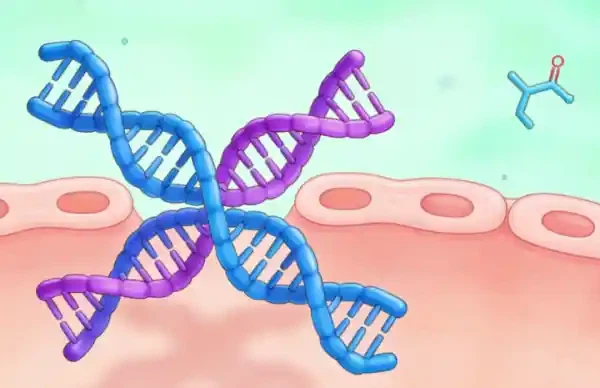
Its key roles include:
① Cell Membrane Integrity
Pure phosphatidylserine is a major structural component of cell membranes, particularly in neurons. It helps maintain membrane fluidity, structural stability and proper orientation of membrane proteins.
Healthy membranes are essential for efficient cellular communication and nutrient exchange.
② Neural Signal Transmission
Neurons rely on rapid and accurate signal transmission. Phosphatidylserine supports synaptic function, neurotransmitter release and signal conduction between brain cells.
Without adequate phosphatidylserine, communication between neurons becomes less efficient.
③ Cognitive Performance and Memory
Clinical and observational studies have associated pure phosphatidylserine with improved memory performance, enhanced learning ability, better focus and mental clarity and support for age-related cognitive decline.
This makes pure phosphatidylserine a cornerstone ingredient in nootropic, brain health, and healthy aging formulations.
④ Stress Hormone Regulation
One of phosphatidylserine's most commercially attractive benefits is its role in regulating cortisol, the body's primary stress hormone.
Research indicates that pure phosphatidylserine supplementation may reduce excessive cortisol release, improve stress adaptation and support emotional balance under physical or mental stress.
This function positions pure phosphatidylserine not only as a cognitive ingredient, but also as a stress-management and performance-support compound.
Why Serine Is Not a Substitute for Phosphatidylserine?
• Name similarity causes confusion
Serine and pure phosphatidylserine sound related, but they are chemically and functionally different compounds. Similar naming does not indicate equivalent biological activity.
• Different molecular nature
Serine is a simple amino acid involved in protein synthesis and metabolism.
Phosphatidylserine is a complex phospholipid and a key structural component of cell membranes, especially in brain cells.
• Limited biological conversion
The human body does not efficiently convert free serine into pure phosphatidylserine.
This process requires specific enzymes and lipid substrates and occurs only in tightly regulated, limited amounts.
• Supplementation outcome differs
Increasing serine intake does not meaningfully raise pure phosphatidylserine levels in the body.
Therefore, Serine supplementation cannot replicate the functional role of phosphatidylserine.
• Functional benefits are not transferable
Cognitive support, stress regulation, and cell membrane stability are benefits associated with phosphatidylserine itself.
These benefits are not delivered by serine as a precursor ingredient.
• Formulation implications
Serine cannot be used as a cost-effective replacement for phosphatidylserine in brain health or cognitive products. Only direct inclusion of phosphatidylserine ensures reliable efficacy.
For product developers, formulators, and brand owners, this distinction is critical. Products positioned for brain health or cognitive performance must include pure phosphatidylserine as a finished ingredient to achieve substantiated efficacy. Substituting serine for pure phosphatidylserine may reduce costs on paper, but it undermines product performance, regulatory defensibility, and long-term brand credibility in the marketplace. Guanjie Biotech is a professional bulk phosphatidylserine product supplier, serving global customers in the dietary supplement, functional food, and nutrition industries. Key advantages include:
High-quality phosphatidylserine with stable specifications
Competitive pricing for bulk pure phosphatidylserine procurement
Compliance with HALAL, HACCP, ISO, KOSHER, and other international standards
Reliable supply chain and technical support
For businesses seeking a dependable phosphatidylserine partner, Guanjie Biotech offers both quality assurance and commercial efficiency.
Conclusion
Serine and pure phosphatidylserine are fundamentally different substances. Serine is a simple amino acid essential for basic nutrition, while phosphatidylserine is a complex phospholipid with specialized biological functions and strong commercial value.
From a business perspective:
• Serine is a commodity ingredient
• Phosphatidylserine is a premium functional ingredient
Understanding this distinction helps manufacturers, brand owners, and distributors make informed decisions in product development, sourcing, and market positioning. Guanjie Biotech, as a bulk phosphatidylserine supplier, naturally highlights its quality pure phosphatidylserine, competitive pricing, and certifications (HALAL, HACCP, ISO, KOSHER, etc.). Please feel free to contact us at info@gybiotech.com.
References
[1] Vance, J. E., & Vance, D. E. Phospholipid biosynthesis in mammalian cells. Biochemistry and Cell Biology.
[2] Glade, M. J., & Smith, K. Phosphatidylserine and the human brain. Nutrition.
[3] Food and Agriculture Organization (FAO). Amino acids in human nutrition.
[4] Kidd, P. M. Dietary phospholipids and brain function. Alternative Medicine Review.
[5] European Food Safety Authority (EFSA). Scientific opinions on phosphatidylserine.


