Pure soy lecithin has become a widely used ingredient in the global food, beverage, nutraceutical, and cosmetics industries. Because it appears in so many products-from chocolate and baked goods to infant formula and dietary supplements-many consumers and even companies sometimes ask the same question: "Is soy lecithin a preservative?" From a scientific and regulatory point of view, soy lecithin is not classified as a preservative. So let's look at why lecithin is not a preservative.

Is Soy Lecithin a Preservative?
No, pure soy lecithin is not classified as a preservative by major food regulatory bodies like the U.S. Food and Drug Administration (FDA) or the European Food Safety Authority (EFSA).
Preservatives are specific substances added to products primarily to prevent or slow down spoilage caused by living microorganisms. Their core function is antimicrobial. They inhibit the growth of, or destroy, bacteria, yeast, and mold that can cause products to become unsafe (e.g., through pathogen growth) or visibly spoiled (e.g., through mold formation).
• Examples:
Common chemical preservatives include potassium sorbate, sodium benzoate, and calcium propionate. Natural antimicrobial preservatives might include substances like vinegar (acetic acid), salt (sodium chloride), or certain plant extracts like rosemary extract.
• Primary Target:
Living biological agents (microbes).
Pure soy lecithin does not possess significant inherent antimicrobial properties. Adding soy lecithin to a jar of jam, for example, would not prevent mold from growing if the jar were contaminated. Therefore, in the strictest scientific and regulatory sense, it does not qualify as a preservative.

What is Soy Lecithin?
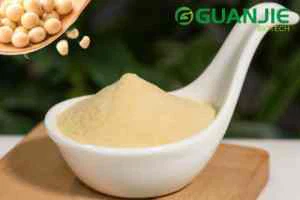
Pure soy lecithin is a naturally occurring mixture of phospholipids and oils derived from soybeans. Phospholipids are remarkable molecules: one end is attracted to water (hydrophilic), and the other end is attracted to fat (lipophilic). This dual nature makes lecithin an exceptionally effective emulsifier and stabilizer.
Its primary job is to create and maintain uniform mixtures between ingredients that would normally separate-most famously, oil and water. Beyond this, it performs several key functions that contribute to a product's physical stability and shelf life.
However, It Does Support Product Stability.
While pure soy lecithin does not directly kill microbes, it performs functions that indirectly help preserve product quality,
• Stabilizing Emulsions and Preventing Separation
In countless products-from mayonnaise and salad dressings to lotions and paints-maintaining a stable blend of water and oil is crucial. Soy lecithin's emulsifying action creates a stable, homogenous mixture. This physical stability prevents the product from breaking down into its separate components. A stable emulsion is not only more appealing but also less prone to the development of textural issues or localized spoilage that can occur in separated phases. By ensuring uniformity, it maintains the product's intended protective barrier and consistency.

• Preventing Oxidation and Rancidity
One of the main causes of spoilage in fats and oils is oxidation, which leads to rancidity, producing off-flavors and odors, and potentially reducing nutritional value. While not a primary antioxidant like Vitamin E, pure soy lecithin acts as a metal chelator. It can bind to trace metal ions (like iron or copper) that act as pro-oxidants, accelerating the oxidation process. By sequestering these metals, lecithin slows down the chain reaction of fat oxidation. In this way, it helps "preserve" the fresh taste and chemical integrity of high-fat products like chocolate, margarine, and fried snacks.

• Nutrient Protection
Lecithin acts as a protective shield for sensitive nutrients like vitamins and omega-3s in fortified foods and supplements. This enhances nutrient stability during processing and storage, directly extending product shelf life. For pure soy lecithin manufacturers, this stability translates into key business advantages: a reduction in product returns and waste, alongside increased consumer satisfaction from consistent quality. These combined benefits strengthen the overall brand reputation. Ultimately, lecithin serves as a vital functional ingredient, ensuring both nutritional integrity and commercial reliability for more stable, successful products.

• Moisture Control and Texture Preservation
In bakery applications, pure soy lecithin helps control moisture migration between different components of a product (such as between filling and crust) and slows moisture loss to the environment. This moisture management is critical for maintaining textural qualities like softness in baked goods. Additionally, lecithin's interaction with starch molecules slows retrogradation (staling), keeping products fresher for longer periods without the need for synthetic anti-staling agents. This functional preservation of texture and mouthfeel directly impacts consumer perception of freshness and quality.

• Enhancing the Function of Other Preservatives
In some complex formulations, the effective distribution of an antimicrobial preservative is vital. If a preservative is unevenly dispersed, "microbial hotspots" can develop. As an emulsifier, pure soy lecithin can help create a more uniform matrix, ensuring that any true preservatives present are effectively distributed throughout the product. This synergy enhances the overall preservation system.
Why Confuse Lecithin With Preservatives?
From a business perspective, confusion is common because soy lecithin contributes to longer shelf life, which is the primary goal of preservatives. Several functional benefits of soy lecithin overlap with perceived preservation activities.
Antioxidant Support:
One of the main pathways to food spoilage is lipid oxidation, leading to rancidity in products containing fats and oils, such as chocolate, baked goods, and nutritional supplements. Lecithin contains phospholipids that act as mild antioxidants. They help stabilize fats and slow this oxidative chain reaction. While not as potent as dedicated antioxidants like tocopherols (Vitamin E), lecithin provides a meaningful, synergistic layer of protection that contributes directly to a longer, more stable shelf life.
Emulsion and Physical Stability:
Product deterioration isn't only chemical. Physical breakdown is a major quality failure. In products where water and oil co-exist-from dressings to sauces-separation creates an unstable environment that can accelerate microbial growth and texture loss. As an emulsifier, pure soy lecithin binds water and oil into a uniform, stable matrix. This prevents phase separation, maintaining consistent texture, appearance, and overall integrity throughout the product's shelf life. A physically stable product remains appealing and safe for consumption longer.
Moisture Management and Texture Preservation:
In baked goods, staling (the loss of softness) is primarily a function of moisture migration and redistribution. Lecithin interacts with starch and gluten components to control moisture dynamics. This helps retain softness, delays firming, and prevents dryness. By maintaining the intended sensory texture over time, lecithin effectively preserves product quality, reducing waste and returns-a key business metric.
These benefits improve shelf life without adding synthetic preservatives. As a result, businesses often promote lecithin as part of a clean-label shelf-life extension strategy.
From a scientific and regulatory perspective, pure soy lecithin is not a preservative. However, from a business and functional standpoint, it contributes significantly to: product stability, oxidation control, moisture balance, texture improvement and shelf-life support. Because of these benefits, companies often use natural soy lecithin as part of their overall formulation strategy to improve quality and reduce dependence on artificial preservatives.
Conclusion:
For businesses aiming to meet clean-label demand, optimize cost, and maintain product performance, soy lecithin remains one of the most important multifunctional ingredients in the global market. Guanjie Biotech, as a professional bulk soy lecithin supplier, provides: high-quality ingredients, competitive pricing, reliable production capacity, and HALAL, HACCP, ISO, and KOSHER certifications. We support partners in the food, beverage, supplement, and cosmetics industries with stable, safe, and effective pure soy lecithin solutions. Welcome to enquire with us at info@gybiotech.com.
References
[1] Smith, J. (2018). Food Emulsifiers and Their Applications. Food Science Publishing.
[2] Lee, H. & Chang, K. (2020). "Lecithin Functionality in Food Systems." Journal of Food Technology, 45(3), 112–118.
[3] International Food Additives Council. (2021). Lecithin Safety and Regulatory Status.
[4] Gupta, R. (2019). "Oxidation Control in High-Fat Foods." Food Quality and Preservation Review, 12(4), 245–255.
[5] Global Industry Analysis Report. (2023). Soy Lecithin Market Trends and Forecasts.
[6] Springer. (2024). A comprehensive review on pleiotropic effects and therapeutic potential of soy lecithin. Advances in Traditional Medicine.
[7] Gelonghui. (2025). 2025年全球天然大豆卵磷脂市场规模及厂商占有率调查报告.