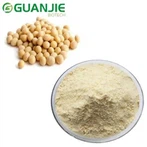
With the expansion of the global anti-aging and healthy aging market, bulk nicotinamide mononucleotide NMN has become a key ingredient in functional foods and dietary supplements. However, traditional NMN products meet several challenges. These include degradation by stomach acid, metabolism by intestinal enzymes, and limited bioavailability. Liposomal NMN powder uses a phospholipid bilayer to protect NMN and improve its delivery. This represents an important advancement in NMN formulation. So, what are the differences between liposomal NMN and regular NMN?

Liposomal NMN vs. NMN: What are the differences?
There are some aspects of differences between liposomal NMN and regular NMN.
Core Mechanism Differences
Traditional NMN powder and standard NMN capsules mainly depend on specific transport proteins, such as Slc12a8, in the small intestine for absorption. However, differences in gene expression and the saturation of these transport proteins can affect absorption efficiency. In addition, NMN is a hydrophilic molecule. It does not easily pass through the lipid bilayer of cell membranes. As a result, part of the NMN may be converted into nicotinamide (NAM) and excreted before reaching systemic circulation, which can reduce bioavailability.
Liposomal NMN powder uses a different delivery mechanism. The active ingredient is encapsulated inside phospholipid bilayer vesicles, typically 50–200 nm in diameter. These vesicles can interact with intestinal cell membranes through membrane fusion or endocytosis, helping deliver NMN into cells. Some liposomes may also enter the lymphatic system, which can reduce first-pass metabolism in the liver. This approach may improve the stability and delivery efficiency of NMN.
Process Differences
The main difference between regular NMN and liposomal NMN powder lies in their manufacturing processes and molecular structures.

Regular NMN is typically produced through chemical synthesis or enzymatic methods. After purification, drying, and sieving, it can be manufactured on a large scale. The process is relatively simple. The final product is usually a white crystalline powder composed mainly of free NMN molecules with minimal excipients. It does not include a protective delivery system. Its performance depends on the inherent properties of NMN. Therefore, it remains a common raw material in the dietary supplement industry.
Liposomal NMN powder is produced using nanoliposome encapsulation technology. Phospholipid bilayers form nanoscale vesicles that encapsulate NMN. Guanjie Biotech is a liposomal NMN powder supplier that uses standardized production processes to maintain particle sizes within the optimal range of 80–120 nm. The manufacturing process includes raw material purification, phospholipid formulation, high-pressure homogenization, sterilization, particle size calibration, and stability testing. Technologies such as liposome modification and nano-homogenization add complexity to the production process.
In simple terms, regular NMN consists of free NMN molecules, while bulk liposomal NMN has a composite structure made of a phospholipid shell and an NMN core. This structural difference is a key factor behind their different performance characteristics.
Bioavailability and Clinical Data Comparison
Bioavailability is one of the most important factors when comparing liposomal NMN and regular NMN. Regular pure NMN powder can be absorbed after oral administration, but its absorption efficiency may be affected by digestive conditions, transporter activity, and individual physiological differences.

The core basis for selecting raw materials lies in the differences in efficacy supported by clinical evidence data.
|
Characteristic parameters: |
Traditional NMN (standard powder/capsule) |
Liposomal NMN |
|
Absorption pathway |
Dependent on Slc12a8 transporter |
Passive diffusion, endocytosis, and membrane fusion |
|
Gastric acid destruction |
Extremely prone to degradation in acidic environments |
The phospholipid layer provides a physical barrier against gastric acid corrosion |
|
NAD+ enhancement |
Baseline (1.0x) |
Clinical data show an increase of 3 to 5 times |
|
Time to peak concentration |
30-60 minutes (rapid metabolism and excretion) |
Sustained release time: 60-120 minutes |
|
Dose efficiency |
Standard high dose (e.g., 500 mg-1000 mg) |
Low doses (e.g., 250 mg) can achieve equivalent or even higher blood concentrations |
Key Data
Several studies conducted between 2025 and 2026 showed that liposomal NMN had higher bioavailability than regular NMN powder. In a double-blind study involving men, blood NAD+ levels increased by 84% after four weeks of liposomal NMN powder supplementation, rising from 28.6 µM to 52.5 µM. The increase in the standard NMN group was much lower. In vitro permeation studies also showed that bulk liposomal NMN reached a cumulative skin release rate of 96.8% within 12 hours. This suggests strong potential for transdermal and deep-tissue delivery.
Stability and Storage Compatibility
Stability and storage performance are important factors for product shelf life, quality control, and transportation. Regular NMN has a free molecular structure and is sensitive to heat, moisture, and pH changes. During long-term storage, it can absorb moisture and oxidize, potentially reducing its activity. This issue is more noticeable in hot and humid environments. Regular NMN may also have compatibility challenges with some vitamins and plant extracts, which can limit formulation options.
Liposomal NMN powder uses nano-encapsulation technology. The phospholipid membrane helps protect NMN from external factors and improves stability during storage and transportation. The protective structure can also improve compatibility with other functional ingredients, such as curcumin and resveratrol. This creates more opportunities for product development. Guanjie Biotech uses a strict stability testing system to maintain batch consistency and help customers reduce production losses, quality control risks, and distribution costs.
Cost, Formulation, and Market Adaptability
Regular NMN has a simple production process and lower raw material costs. It is commonly used in value-oriented dietary supplements and mass-market products. It is often chosen for its cost-effectiveness.

Liposomal NMN powder requires additional encapsulation technology, which increases production costs. However, its higher bioavailability may allow lower usage levels in some formulations. It is often used in premium health products and advanced supplement formulations. The technology can help brands create product differentiation and support premium positioning.
As consumer demand for high-performance health products continues to grow, liposomal NMN offers new opportunities for brands seeking innovation and market differentiation.
Conclusion
The main difference between liposomal NMN powder and traditional NMN is the delivery system. Traditional NMN is a widely used NAD+ precursor. Liposomal NMN uses a phospholipid-based delivery system designed to improve stability and absorption efficiency.
For dietary supplement brands, liposomal technology can help create product differentiation and support premium product development in a competitive market.
As a major supplier of liposomal ingredients, Guanjie Biotech recommends different strategies based on market positioning:
• Value Market: Use high-purity traditional NMN powder and focus on cost efficiency.
• Premium Market: Use freeze-dried liposomal NMN powder and highlight its advantages in stability and delivery technology.
• Quality Assurance: Verify liposome quality through third-party testing, including encapsulation efficiency, particle size distribution, and zeta potential, to support consistent product performance.
References:
[1] Ge J, et al. Preparation of microgels loaded with lycopene/NMN and their protective mechanism against acute liver injury[J]. Food & Function, 2024, 15(2): 809-822.
[2] Najm A, Bîrcă AC, Niculescu A, et al. DMPC-Based Liposomal Vesicles for Encapsulation and Controlled Release of NMN and Matrigel in Sarcopenia Therapy[J]. International Journal of Molecular Sciences, 2025, 26(12): 5594.
[3] Elastic cationic liposomal nanogels: a novel platform for topical nicotinamide mononucleotide delivery[J]. Journal of Liposome Research, 2026, 36(1): 13-24.
[4] Kawakami, et al. A double-blind, placebo-controlled study comparing liposomal NMN vs. standard NMN in healthy men. (Note: The specific journal was not provided, but the data is cited as a pivotal 2025/2026 study).
[5] EffePharm. Liposomal NAD+: The Latest Human Clinical Trial Proves a 1.5× Absorption Breakthrough[EB/OL]. (2025-10-15).
[6] Grozio, A., Mills, K. F., Yoshino, J., Bruzzone, S., Sociali, G., Tokizane, K., Lei, H. C., Cunningham, R., Sasaki, Y., Migaud, M. E., & Imai, S. I. (2019). Slc12a8 is a nicotinamide mononucleotide transporter. Nature Metabolism, 1(1), 47–57.
[7] Kawakami, K., et al. (2025-2026). Double-blind, placebo-controlled trial of liposomal NMN vs. standard NMN in male participants. (Unpublished/In-press clinical trial data).
[8] Kim, I., & Kim, B. S. (2025). Production of liposome loaded with nicotinamide mononucleotide using Taylor-Couette reactor. Chemical Engineering Journal, 504, 158703.
[9] Grozio, A., et al. (2019). Slc12a8 is a nicotinamide mononucleotide transporter. Nature Metabolism, 1(1), 47–57.
[10] Kim, I., & Kim, B. S. (2025). Production of nicotinamide mononucleotide-loaded liposomes using a Taylor-Couette reactor. Journal of Chemical Engineering, 504, 158703.