


100 inulin powder is a natural polysaccharide widely used in food, health products and medicine. It has many health benefits. This includes improving intestinal health, lowering blood sugar, enhancing immunity, etc. The sources of inulin mainly come from a variety of plants. Common sources include Jerusalem artichoke, chicory root, onion, chrysanthemum, etc. When choosing inulin, its source should also be considered.

What Is Inulin?
Inulin is a water-soluble dietary fiber that is widely found in rhizomes, roots and bulbs of plants. It belongs to the fructan class of substances and has excellent solubility and hydration. In the human body, inulin is not digested. It mainly produces short-chain fatty acids through the fermentation of large intestine microorganisms, which is beneficial to intestinal health. Inulin is often used as a low-calorie sweetener, dietary fiber supplement, food thickener and functional ingredient in food processing.
Common sources of inulin
(1) Chicory root (Cichorium intybus)
Chicory root is currently one of the most common sources of inulin. It is rich in inulin and other dietary fibers and is widely used in food, beverages, and nutritional supplements. The inulin content in chicory root is usually between 35% and 50%, so the extracted 100 inulin powder is of high purity. Guanjie Biotech is a Chicory root inulin powder manufacturer, and our inulin comes from chicory. Welcome to consult info@gybiotech.com.
Advantages:
●High purity:
The inulin extracted from chicory root is of high purity, good stability, and easy to be absorbed by the human body.
●Significant prebiotic effect:
The inulin in chicory root can effectively promote the growth of beneficial intestinal bacteria and improve constipation and other problems.
●Wide application:
Chicory root inulin is widely used in low-calorie foods, diabetic foods, dairy products, etc.
(2)Jerusalem Artichoke
Jerusalem artichoke (scientific name: Helianthus tuberosus) is a perennial plant native to North America. Its underground corm is rich in inulin and is one of the common sources of 100 inulin powder. Jerusalem artichoke has a high inulin content of about 15% to 20% of its dry weight. In addition, Jerusalem artichoke is rich in vitamins, minerals and antioxidants, such as potassium, iron and vitamin C. Due to its low GI (glycemic index) characteristics, Jerusalem artichoke inulin is widely used in the diet of diabetic patients. Guanjie Biotech's inulin comes from Jerusalem artichoke. Our products have passed HACCP, KOSHER, ISO90001, and HALAL. Quality assurance, welcome to consult.
Advantages:
●High inulin content, can provide higher fiber.
●Low GI, suitable for diabetic patients.
●Rich in minerals and vitamins.
(3)Chrysanthemum
Chrysanthemum is a traditional Chinese medicinal plant. In addition to its medicinal value, its root is also an important source of inulin. Chrysanthemum root is rich in inulin, flavonoids, volatile oils and other active ingredients. Chrysanthemum has the functions of clearing heat and detoxifying, antibacterial and anti-inflammatory. Therefore, its inulin-derived products also have certain medicinal value.
Advantages:
●It contains rich active ingredients, in addition to inulin, there are antioxidant ingredients such as flavonoids.
●It has pharmacological effects such as clearing heat and detoxifying.
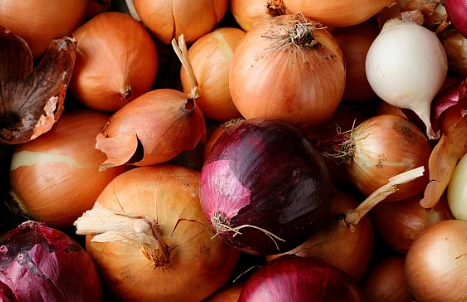
(4)Onion
Onion is another common source of inulin. Onion is not only a common food seasoning, but also rich in fructans. Onion has a moderate inulin content, and its inulin can be extracted through simple processing.
Advantages:
●Economical, widely planted, and easy to harvest.
●Rich in antioxidant ingredients such as sulfide.
(5)Root and tuber plants
The root and tuber parts of plants such as green onions and garlic are also rich in fructans. These plants have low inulin content, but they are still a supplement to inulin sources. 100 inulin powder in green onions and garlic not only has the effect of improving intestinal health, but also provides antioxidant, antibacterial and other health benefits.
Advantages:
●Low production and planting costs.
●Contains a large number of active compounds, with antibacterial and anti-inflammatory effects.
Extraction and processing
There are many methods for extracting 100 inulin powder, including water extraction, enzymatic hydrolysis, solvent extraction, etc. Different extraction methods have a great influence on the extraction efficiency of inulin and the quality of the final product. The extraction process of inulin usually includes the following steps:
●Raw material selection: Select high-quality raw materials according to the inulin content and purity.
●Washing and cutting: Wash, peel and cut the plant raw materials for subsequent extraction.
●Extraction: Water extraction or enzymatic hydrolysis is commonly used to dissolve the inulin with warm water or enzyme solution.
●Filtration and concentration: Filter and concentrate the extract to remove impurities.
●Drying: Concentrate the inulin into powder by spray drying, freeze drying and other methods.
Health benefits
Inulin has a wide range of health benefits. It has a significant effect on intestinal health. Its main health benefits include:
●Promote intestinal health:
Inulin can act as a prebiotic to promote the growth of beneficial bacteria in the intestine and improve intestinal problems such as constipation and diarrhea.
●Improve blood sugar control:
Inulin has low GI characteristics, which can help diabetic patients control blood sugar levels and reduce postprandial blood sugar fluctuations.
●Enhance immune function:
Inulin can strengthen the intestinal immune barrier and help improve human immunity.
●Helps with weight management:
Inulin has a certain sense of fullness, which can help lose weight and control appetite.
How to choose the best source of inulin?
Choosing the best source of 100 inulin powder requires comprehensive consideration of the following factors.
●Inulin content:
The inulin content of plants such as Jerusalem artichoke is high, which is suitable for large-scale production.
●Plant growth environment:
The cultivation environment of plants will affect the quality and yield of their inulin. A high-quality growth environment can ensure the purity and nutritional content of inulin.
●Production and processing technology:
Choosing an inulin source that has undergone an efficient extraction process can ensure the extraction efficiency of inulin and the quality of the final product.
●Product safety:
Choose inulin products without pesticide residues and harmful substances to ensure their safety.
From the source of pure inulin powder, Jerusalem artichoke and chicory are currently the most common and economical sources, suitable for large-scale planting and extraction. Other plants such as onions, chrysanthemums, and rhizomes also have certain inulin source value, but their extraction efficiency and inulin content are relatively low. When choosing the best inulin source and considering the inulin content, you also need to pay attention to the plant's growth environment, harvesting method and processing technology to ensure the quality and safety of inulin.
As a natural health ingredient, 100 inulin powder has broad application prospects in intestinal health, blood sugar control, immune function, etc. In the food, health care products and pharmaceutical industries, as people's health awareness increases, the demand for inulin will continue to increase. If you need inulin from Jerusalem artichoke and chicory to add to your products, please contact Guanjie Biotech: at info@gybiotech.com.


