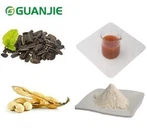
No, pure Indole-3-Carbinol doesn't cause sulfur sensitivity reactions. It is a commonly used dietary supplement ingredient in the health product industry. Indole-3-Carbinol (I3C) has functions such as metabolic regulation, antioxidant activity, anti-inflammatory effects, and immune modulation. Due to its high safety, natural origin, and wide application range, it is widely used in health product formulations for body support. Sulfur sensitivity is a common metabolic condition in clinical and consumer markets. It is related to factors such as defects in sulfur metabolism pathways, gut microbiota imbalance, and genetic variations. People with sulfur sensitivity may have difficulty metabolizing external sulfur compounds. They may experience metabolic disorders or physical discomfort after consuming high levels of sulfur-containing substances.

Globally, about 10%–15% of the population may have different degrees of sulfur sensitivity. In health product development, the relationship between pure Indole-3-Carbinol and sulfur sensitivity is an important technical consideration. It affects product safety, target consumer groups, and formulation design.
What is the relationship between Indole-3-Carbinol and the Sulfur Metabolism System?
From the perspective of chemical structure and metabolic properties, there is no direct causal relationship between Indole-3-Carbinol and sulfur sensitivity. However, there may be an indirect metabolic connection. This relationship has two main characteristics.
First, Indole-3-Carbinol itself does not contain sulfur and does not increase the body's sulfur metabolism burden. Unlike sulfur-containing supplements such as glucosinolates, isothiocyanates, and allicin, pure Indole-3-Carbinol contains no sulfur compounds. It does not directly produce sulfur-related metabolites. Therefore, Indole-3-Carbinol is not a direct trigger of sulfur sensitivity reactions. This is an important safety feature of Indole-3-Carbinol.
Second, the natural source of pure Indole-3-Carbinol may create potential sulfur-related risks. In cruciferous vegetables, Indole-3-Carbinol is produced through the breakdown of indole glucosinolates. These raw materials naturally contain sulfur-containing compounds. Therefore, naturally extracted bulk Indole-3-Carbinol products may contain trace amounts of sulfur-related impurities.
In addition, the metabolic pathway of Indole-3-Carbinol in the body may partially interact with sulfur metabolism pathways. This interaction may indirectly affect sulfur metabolism balance in sulfur-sensitive individuals. However, this is not a direct cause of sulfur sensitivity.
What Are The Mechanisms of Indole-3-Carbinol in Sulfur-Sensitive Individuals?
Pure Indole-3-Carbinol mainly regulates metabolism by affecting two key signaling pathways: AhR and Nrf2. It shows different effects in individuals with different levels of sulfur sensitivity. Its effects are not always promoting or inhibiting.
Positive Regulatory Effect
Individuals with mild or potential sulfur sensitivity may experience low oxidative stress, intestinal barrier damage, and chronic inflammation. After activating the Nrf2 pathway, Indole-3-Carbinol increases the expression of phase II metabolic enzymes and antioxidant genes. This helps remove reactive oxygen species produced during sulfur metabolism and reduces oxidative damage.
At the same time, bulk indole-3-Carbinol activates the AhR pathway. It improves zinc transporter activity and increases free zinc ion levels in cells. It also inhibits the NF-κB inflammatory pathway, reduces the breakdown of intestinal tight junction proteins, and helps repair damaged intestinal mucosa.
This mechanism may help improve sub-health symptoms in sulfur-sensitive individuals. It also provides theoretical support for the use of Indole-3-Carbinol-based health supplements in this group.
Negative Risk Effects
Severely sulfur-sensitive individuals may have highly active CBS gene mutations. This can cause an abnormally fast sulfur metabolism process and continuous accumulation of harmful metabolites in the body. Natural Indole-3-Carbinol can increase the activity of various metabolic enzymes. This may accelerate overall metabolic flux and place additional stress on the sulfur metabolism pathway. As a result, harmful substances such as hydrogen sulfide and ammonia may accumulate rapidly. When these substances exceed the body's elimination capacity, they may trigger or worsen systemic discomfort. In addition, naturally extracted Indole-3-Carbinol raw materials may contain trace amounts of glucosinolate residues. These residues can increase external sulfur intake and raise the risk of adverse reactions. This is a key difference between synthetic Indole-3-Carbinol and naturally extracted pure Indole-3-Carbinol when considering use in sulfur-sensitive populations.
What Is Indole-3-Carbinol Used For?
Based on the mechanisms of Indole-3-Carbinol and sulfur sensitivity, the health supplement industry should establish clear standards for formula development, raw material selection, population suitability, and compliance risk control. These standards can help reduce potential product safety risks.
Precisely Defining Suitable Consumer Groups
First, individuals with mild or potential sulfur sensitivity can generally consume high-purity synthetic Indole-3-Carbinol products. The antioxidant and mucosal repair functions of Indole-3-Carbinol may help improve sub-healthy conditions related to sulfur metabolism imbalance.
Second, individuals with moderate sulfur sensitivity should limit their intake of natural Indole-3-Carbinol products. Formulas should avoid combining Indole-3-Carbinol with high-sulfur active ingredients, such as glucosinolates, isothiocyanates, and garlic extracts. This helps prevent an increased metabolic burden.
Third, individuals with severe sulfur sensitivity should avoid pure Indole-3-Carbinol supplements. Even high-purity raw materials may not be suitable for these individuals due to the risk of metabolic overload.
Standardizing Raw Material Selection and Formulation Strategies
High-purity chemically synthesized Indole-3-Carbinol (purity ≥98%) contains no sulfur-containing impurities. It has a very low risk of affecting sulfur metabolism and is suitable for a wide range of consumers. Therefore, it is suitable for mass-market dietary supplements.
Naturally extracted Indole-3-Carbinol from fruits and vegetables may contain trace sulfur-containing impurities. This may create a potential risk for sulfur-sensitive individuals. Therefore, it should only be used in products designed for generally healthy consumers. Claims such as "suitable for sensitive constitutions" or "comprehensive body regulation" should be avoided.
In addition, formula development should avoid combining Indole-3-Carbinol with multiple sulfur metabolism-related ingredients without proper evaluation. Excessive intervention through multiple pathways may affect sulfur metabolism balance.
Improving Product Labeling and Consumer Risk Control
Product labels should clearly state that individuals with high sulfur metabolism sensitivity may not be suitable for use. Detailed warnings and contraindications should be provided to improve consumer safety.
Market education should clearly distinguish sulfur metabolism sensitivity from common allergies. Pure Indole-3-Carbinol is not a sulfur-derived irritant. Adverse reactions mainly occur in individuals with specific metabolic limitations. This information can help correct common misunderstandings.
At the same time, companies can use this mechanism-based approach to develop more targeted products. For example, high-purity Indole-3-Carbinol powder products can be designed for consumers with general sub-health concerns or mild metabolic issues. This can improve product safety and precision.
FAQs:
1. Does Indole-3-Carbinol cause sulfur sensitivity?
Answer: No. Pure Indole-3-Carbinol contains no sulfur and does not directly trigger sulfur sensitivity. However, some natural extracts may contain trace sulfur-related impurities.
2. Can people with sulfur sensitivity take Indole-3-Carbinol?
Answer: It depends. People with mild sulfur sensitivity may tolerate high-purity I3C. Those with severe sulfur sensitivity should avoid it unless advised by a healthcare professional.
3. Is synthetic Indole-3-Carbinol better than natural extract?
Answer: Yes, for sulfur-sensitive users. High-purity synthetic I3C contains no sulfur impurities, while natural extracts may contain trace sulfur compounds.
4. Should Indole-3-Carbinol be combined with sulfur-containing ingredients?
Answer: Usually no. Combining I3C with ingredients like glucosinolates, isothiocyanates, or garlic extract may increase the sulfur metabolism burden in sensitive individuals.
5. What should I check before buying an Indole-3-Carbinol supplement?
Answer: Choose high-purity products. Look for I3C with ≥98% purity, clear quality testing, and suitable warnings for people with sulfur metabolism sensitivity.
Summary
Based on current mechanism research and industry data, Indole-3-Carbinol itself does not directly cause sulfur sensitivity reactions and does not create an inherent sulfur metabolic burden. However, its regulatory effects on metabolic pathways and the impurity characteristics of natural raw materials may influence sulfur-sensitive individuals in different ways. For the health supplement industry, understanding these factors is essential for targeted product development, safety risk management, and accurate consumer positioning. The industry should move beyond the traditional belief that natural raw materials are always superior. Instead, companies should focus on metabolic mechanisms, raw material differences, consumer suitability, and formula compatibility. This approach can maximize the functional value of Indole-3-Carbinol while reducing potential risks for sensitive consumers. It can also support the compliant and standardized development of Indole-3-Carbinol I3C based functional supplements.
Regarding raw material supply, Guanjie Biotech is a professional raw material Indole-3-Carbinol powder supplier. The company provides a stable supply of high-quality Indole-3-Carbinol powder and tablet formulations. Guanjie Biotech owns its production facilities and standardized production lines. It applies strict quality control throughout the manufacturing process. This helps control residual sulfur impurities and ensures stable product purity. The company can meet different R&D needs in the health supplement industry, including mass-market formulations and products designed for specific consumer groups. For product information and cooperation opportunities, please contact info@gybiotech.com.
References:
[1] Pharmaceuticals Editorial Office. (2026). Genotoxicity Studies of Indole-3-carbinol and N-Methoxyindole-3-carbinol-The Effect of Sulphotransferases. Pharmaceuticals, *19*(6), 895. https://doi.org/10.3390/ph19060895
[2] National Toxicology Program. (2022). Indole-3-carbinol, NTP TR 584 (Table L-2, L-4). National Institutes of Health.
[3] Heine, H. S., et al. (1986). Enhancement of epoxide hydrolase activity in hepatic microsomes of mice given heterocyclic compounds. Chemico-Biological Interactions, *59*(2), 219-230. https://doi.org/10.1016/s0009-2797(86)80068-0
[4] Ebert, B., Seidel, A., & Lampen, A. (2005). Induction of phase-1 metabolizing enzymes by oltipraz, flavone, and indole-3-carbinol enhances the formation and transport of benzo[a]pyrene sulfate conjugates in intestinal Caco-2 cells. Toxicology Letters, *158*(2), 140-151. https://doi.org/10.1016/j.toxlet.2005.03.016
[5] Shertzer, H. G., & Senft, A. P. (2000). The micronutrient indole-3-carbinol: implications for disease and chemoprevention. Drug Metabolism and Drug Interactions, *17*(1-4), 159-188.
[6] Ramakrishna, K., Jain, S. K., & Krishnamurthy, S. (2022). Pharmacokinetic and Pharmacodynamic Properties of Indole-3-carbinol in Experimental Focal Ischemic Injury. European Journal of Drug Metabolism and Pharmacokinetics, *47*(4), 593-605.
[7] Gerges, M. N., Donia, T., & Mohamed, T. M. (2025). Indole-3-Carbinol Mechanisms Combating Chemicals and Drug Toxicities. Journal of Biochemical and Molecular Toxicology, *39*, e70280. https://doi.org/10.1002/jbt.70280
[8] Zhang Yumei, & Wang Jianhua. (2018). Research progress on the metabolic regulation of indole-3-methanol in cruciferous plants. Food Science, *39*(13), 295-301.
[9] Chen Xiaofeng, & Li Haitao. (2020). Research progress on sulfotransferases in drug metabolism and personalized medicine. Chinese Journal of Pharmacology, *36*(5), 593-598.