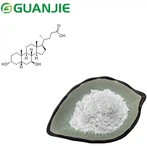
100 pure kojic acid powder is a naturally occurring compound that is commonly used in the cosmetic and pharmaceutical industries, particularly for its skin-lightening and anti-aging properties. Although it is often associated with the whitening of skin, kojic acid has a wide range of applications due to its antioxidant and antimicrobial properties. The question of whether kojic acid is natural is nuanced, as it can be derived from both natural and synthetic sources.

What is Kojic Acid?
Kojic acid (C6H6O4) is a chemical compound that is primarily known for its ability to inhibit the production of melanin in the skin. It is a product of fungal fermentation, particularly from species like Aspergillus oryzae, which is often used in the production of sake, a Japanese rice wine. In nature, it occurs as a by-product in the fermentation process of certain fungi.
Natural Sources of Kojic Acid
100 pure kojic acid powder is naturally produced by fungi such as Aspergillus species, Penicillium species, and Acetobacter species. The compound is often found in foods that undergo fermentation, particularly in the process of making traditional Japanese foods such as sake, soy sauce, and rice vinegar. These fermented products provide natural sources of kojic acid, although it may not be in high concentrations.
•Mushrooms and Other Fungi:
As mentioned, Aspergillus oryzae is a primary source of natural kojic acid powder. This fungus is used in the fermentation of rice to make sake, where kojic acid is produced as a by-product.

•Fermented Foods:
Kojic acid is also found in other fermented products, such as miso, soy sauce, and rice vinegar, where it is produced through microbial fermentation processes.
•Plant Sources:
There are some reports of 100 pure kojic acid powder being found in trace amounts in various plant species, particularly those that are part of traditional fermentation processes in certain cultures. However, these sources are less commonly utilized in commercial applications of kojic acid.
The Fermentation Process of Kojic Acid
100 pure kojic acid powder is produced primarily through the fermentation of organic materials by fungi. During fermentation, certain fungi, such as Aspergillus oryzae, break down carbohydrates or other organic substances in the absence of oxygen, which leads to the formation of kojic acid.
Guanjie Biotech uses the fermentation method to produce high-quality kojic acid. Our 100% pure kojic acid powder raw materials for fermentation include rice bran, soybean, and malt extract. This natural, eco-friendly method aligns with the growing consumer demand for clean-label ingredients and sustainable manufacturing.

One-stop Kojic Acid Powder Factory in China
We adhere to rigorous quality control standards throughout the entire process-from raw material sourcing to production and final packaging-to ensure product consistency and safety. This comprehensive approach ensures that our kojic acid powder not only meets international standards but also maintains the bioactivity and purity needed for effective cosmetic formulations.
For more information or to request a quote about Kojic Acid Powder, please contact us at info@gybiotech.com.
This process occurs under controlled conditions in large-scale industrial production for the extraction of 100% pure kojic acid powder. The fermentation typically takes place over several days in conditions where the fungus can thrive, and the produced kojic acid is then extracted for use in various industries. In this sense, the production of kojic acid can be considered natural, as it is derived from naturally occurring microbial processes.
Synthetic Kojic Acid
While 100% pure kojic acid powder can be derived from natural sources, it is also synthesized in laboratories for industrial and commercial applications. Synthetic kojic acid is often produced by chemical reactions that mimic the natural processes found in fermentation. The synthetic production of kojic acid involves the use of synthetic chemicals and reagents, such as hydroquinone or glycerin, in a controlled chemical process.
The synthetic production of 100 pure kojic acid powder has been a popular choice for manufacturers because it allows for more consistent and high-yield production, making the compound more affordable and widely available. However, some argue that synthetic kojic acid may not have the same purity or safety profile as naturally derived kojic acid, particularly if impurities are introduced during the synthesis process.
Natural vs. Synthetic Kojic Acid
The debate between natural and synthetic kojic acid primarily revolves around the method of production, purity, and environmental impact.
•Purity:
Naturally derived 100% pure kojic acid powder can be extracted from fungal fermentation, where it is often produced as a by-product of the fermentation of rice or other organic materials. The purity of this naturally derived kojic acid may vary depending on the fermentation process and the extraction methods used. On the other hand, synthetic kojic acid can be produced with a higher degree of consistency and purity since it is manufactured in a controlled laboratory environment.

•Environmental Impact:
The production of synthetic 100% pure kojic acid powder may involve chemicals and industrial processes that contribute to environmental pollution if not managed properly. Natural production via fermentation is often seen as more environmentally friendly because it uses biological processes to create the compound.
•Cost:
Natural kojic acid powder is generally more expensive to produce because the fermentation process is time-consuming and requires specific conditions to generate high yields. In contrast, synthetic kojic acid is less expensive to manufacture, making it more accessible for a wider range of applications.
•Safety and Efficacy:
While both natural and synthetic kojic acid are generally considered safe for topical use, some individuals may prefer naturally derived ingredients due to concerns over the purity or safety of synthetic chemicals. Natural kojic acid is often perceived as being gentler on the skin, while synthetic versions may contain trace amounts of impurities that could cause irritation or allergic reactions in sensitive individuals.
Regulations and Industry Standards
In many countries, 100% pure kojic acid powder is regulated by government agencies to ensure its safety for use in cosmetics and skincare products. The concentration of kojic acid in topical products is typically limited to 1-2%, as higher concentrations may cause skin irritation or sensitivity. Both natural and synthetic kojic acid must meet these safety standards before being included in commercial products.
Despite its natural origins, Natural kojic acid powder is not considered a "natural" ingredient by some regulatory bodies, especially when it is synthesized in a laboratory. However, in some regions, it is still categorized as "natural" if it is derived from traditional fermentation processes.
Is Kojic Acid Natural?
In conclusion, 100 pure kojic acid powder can be considered both a natural and synthetic substance, depending on the method of its production. When derived from microbial fermentation, particularly from fungi such as Aspergillus oryzae, kojic acid is considered natural. However, when produced in a lab setting using chemical processes, it is categorized as synthetic.
The natural production of kojic acid via fermentation offers several environmental and sustainability benefits, but the synthetic production method allows for more consistent and cost-effective manufacturing. Consumers who are interested in natural beauty products may prefer to look for 100% pure kojic acid powder derived from traditional fermentation processes. Ultimately, whether kojic acid is "natural" or not depends on one's perspective and definition of natural products in the context of manufacturing methods.
Both natural and synthetic 100% pure kojic acid powder have proven to be effective in skincare and cosmetic applications, and their use is governed by strict safety standards to ensure that consumers are not exposed to harmful levels of the compound. Whether you choose natural or synthetic kojic acid, the compound remains an essential ingredient in the fight against skin discoloration and other skin issues, and its versatility in the skincare industry is undeniable.
Guanjie Biotech is a high-quality kojic acid powder supplier. Our production relies on a natural fermentation process, ensuring the purity and effectiveness of the final product. We maintain strict quality control standards at every stage-from raw material selection to fermentation, production, and final packaging-to guarantee consistency, safety, and compliance with international standards. For more information or to request a quote for kojic acid powder, please contact us at info@gybiotech.com.