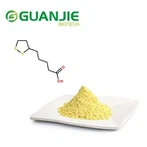
Natural CQ10 is also known as ubiquinone. It is a naturally occurring antioxidant found in human cells. It plays a crucial role in cellular energy production and protection against oxidative stress. In dermatology, CoQ10 for skin has gained attention for its anti-aging, photoprotective, and skin-repairing properties. This paper explores the mechanisms by which natural CoQ10 benefits the skin, reviews clinical studies supporting its efficacy, and discusses its applications in skincare formulations.

Why Does Coenzyme Q10 Do For Skin?
The skin is the largest organ of the human body and is constantly exposed to environmental stressors such as UV radiation, pollution, and oxidative damage. These factors contribute to premature aging, wrinkles, and loss of elasticity. Pure Coenzyme Q10, a lipid-soluble compound, is essential for mitochondrial function and acts as a potent antioxidant. Its levels decline with age, making supplementation-both oral and topical-a promising strategy for maintaining skin health.
What Does Coenzyme Q10 Do For Skin?
Antioxidant Properties
Natural CQ10 is a powerful antioxidant that neutralizes harmful free radicals, particularly reactive oxygen species (ROS), which are major contributors to skin aging. ROS are generated through UV exposure, pollution, and metabolic processes, leading to oxidative damage in skin cells. This damage accelerates the breakdown of essential structural proteins such as collagen and elastin, while also causing DNA mutations that can impair skin function over time[1].
By scavenging these free radicals, Natural CQ10 helps prevent oxidative stress, a key factor in premature aging. Studies have shown that topical application of CoQ10 enhances the skin's antioxidant defense system, reducing lipid peroxidation and protecting cell membranes from damage[2]. This makes CoQ10 a valuable ingredient in anti-aging skincare formulations aimed at preserving skin integrity and delaying visible signs of aging.
Boosting Cellular Energy for Skin Repair and Regeneration
Beyond its antioxidant role, CoQ10 plays a critical role in cellular energy production. It is a vital component of the electron transport chain in mitochondria, where it facilitates the synthesis of adenosine triphosphate (ATP), the primary energy currency of cells[3].
Skin cells, particularly fibroblasts, require high levels of ATP to produce collagen, elastin, and other extracellular matrix components. As we age, natural CoQ10 levels decline, leading to reduced ATP production and slower cell turnover. This contributes to thinner skin, wrinkles, and delayed wound healing. Supplementing with Natural CQ10-whether through topical serums or oral intake-helps replenish cellular energy, supporting skin repair, regeneration, and overall resilience[3].
Anti-Aging Benefits
• Inhibition of Collagen-Degrading Enzymes
One of the most significant anti-aging effects of Coenzyme Q10 Oil is its ability to protect collagen, the protein responsible for skin firmness. UV radiation and oxidative stress activate enzymes called matrix metalloproteinases (MMPs), which break down collagen fibers, leading to wrinkles and sagging skin[4].
Research has demonstrated that CoQ10 downregulates MMP-1, the enzyme specifically responsible for collagen degradation. By inhibiting these enzymes, CoQ10 helps maintain skin structure and reduce the appearance of fine lines [5].
• Preservation of Skin Elasticity
Elastin is another crucial protein that allows skin to snap back after stretching. UV exposure and oxidative damage weaken elastin fibers, leading to loss of elasticity and increased sagging. Studies have shown that Natural CQ10 helps preserve elastin by reducing UV-induced damage and supporting fibroblast activity[6].

Anti-Inflammatory Effects
Chronic inflammation is a major underlying factor in many skin disorders, including psoriasis, eczema, and acne. CoQ10 exhibits anti-inflammatory properties by modulating key inflammatory pathways. It reduces the production of pro-inflammatory cytokines such as IL-6 and TNF-α, which are linked to skin redness, irritation, and accelerated aging[7].
Additionally, Natural CQ10 has been studied for its potential benefits in wound healing and reducing skin sensitivity. By calming inflammation it helps restore the skin barrier and may alleviate conditions like rosacea and dermatitis[8].
Scientific Evidence
Clinical Studies on CoQ10 and Skin Aging
Multiple clinical studies have demonstrated CoQ10's ability to enhance skin quality by combating oxidative stress and promoting collagen synthesis.
• Hoppe et al. (1999) conducted a pivotal study published in BioFactors, revealing that topical Natural CQ10 effectively penetrated the epidermis and significantly reduced oxidative damage. Participants using CoQ10-infused formulations exhibited measurable improvements in wrinkle depth, suggesting its anti-aging potential[1].
• Ashida et al. (2004), in a study published in the Journal of Cosmetic Dermatology, investigated the effects of CoQ10 supplementation in middle-aged women. The results indicated notable enhancements in skin smoothness and elasticity, likely due to increased collagen production and reduced oxidative degradation of dermal proteins[6].
• Inui et al. (2008), in another BioFactors study, demonstrated that Natural CQ10 suppresses UVA-induced matrix metalloproteinase-1 (MMP-1), an enzyme responsible for collagen breakdown. This finding highlights CoQ10's role in preventing photoaging by preserving extracellular matrix integrity[11].

CoQ10 in Photoprotection
CoQ10's antioxidant properties make it a valuable agent in protecting skin from UV-induced damage.
• Prahl et al. (2008), in research published in Skin Pharmacology and Physiology, tested a CoQ10-enriched cream against a placebo. The study found that CoQ10 significantly reduced markers of UV-induced oxidative stress, such as lipid peroxidation, suggesting its efficacy as an adjunct to sunscreens[12].
• Zhao et al. (2015), in the Journal of Medicinal Food, explored oral CoQ10 supplementation in individuals with sun-damaged skin. After several weeks, participants experienced improved skin hydration and reduced wrinkle formation, indicating systemic benefits in mitigating photodamage[13].
CoQ10 in Skin Barrier Function
A healthy skin barrier relies on adequate hydration and lipid composition, where Natural CQ10 plays a supportive role.
Muta-Takada et al. (2009), in the Journal of Cosmetic Science, demonstrated that CoQ10 enhances ceramide synthesis, a key lipid in maintaining skin barrier function. The study reported improved hydration and reduced transepidermal water loss, making CoQ10 beneficial for dry or sensitive skin[14].
Applications of CoQ10 in Skincare
Natural CQ10 can enhance skin health. For skincare manufacturers looking to incorporate high-quality CoQ10 into their formulations, Guanjie Biotech provides high-quality pure Coenzyme Q10 in various concentrations (5%-20%) as an orange-red liquid or powder, produced using advanced Homogenization Technology for optimal stability and efficacy.
Topical Products
When applied directly to the skin, Natural CQ10 penetrates the epidermis and delivers targeted benefits. Its most common uses in topical formulations include:
•Anti-Wrinkle Treatments
CoQ10 helps reduce fine lines and wrinkles by neutralizing free radicals that break down collagen and elastin. Studies show that creams containing 0.3%-1% pure CoQ10 significantly improve skin smoothness and elasticity over time [5].
•Sun Protection Adjuncts
While not a replacement for sunscreen, Natural CQ10 enhances photoprotection by reducing UV-induced oxidative damage. When combined with vitamins C and E, it boosts the skin's defense against sun exposure [8].
•Moisturizing and Barrier Repair
CoQ10 strengthens the skin barrier, improving hydration and reducing transepidermal water loss (TEWL).
It is particularly beneficial in anti-aging creams, night serums, and restorative treatments for dry or sensitive skin.
Oral Supplementation
While topical CoQ10 provides localized benefits, oral supplementation supports skin health from within. However, its effectiveness depends on bioavailability-the body's ability to absorb and utilize the compound.
•Benefits of Oral CoQ10
CoQ10 bulk supplements enhance cellular energy production, promoting skin repair and regeneration. Coenzyme q10 powder bulk may help reduce oxidative stress linked to premature aging [9]. Some studies suggest bulk supplements pure coenzyme q10 improvements in skin hydration and elasticity with long-term use[10].
•Challenges with Bioavailability
CoQ10 ubiquinol bulk powder is fat-soluble, meaning it requires dietary fats for optimal absorption. Newer formulations, such as ubiquinol (reduced CoQ10), may offer better absorption than traditional ubiquinone.
Natural CQ10 is a multifunctional compound that combats oxidative stress, enhances cellular energy, and supports skin repair. Both topical and systemic administration have demonstrated benefits in clinical studies, making it a valuable ingredient in anti-aging and protective skincare regimens.

For skincare brands seeking high-purity, stable, and effective bulk Coenzyme Q10, Guanjie Biotech offers:
•Multiple Concentrations:
5%-20% liquid or coenzyme q10 bulk powder forms.
•Advanced Homogenization Technology:
Ensures uniform particle size for better skin penetration and formulation stability.
•Customizable Solutions:
Ideal for anti-aging serums, moisturizers, and supplements.
Please feel free to contact us at info@gybiotech.com.
References:
[1]Hoppe, U., et al. (1999). "CoQ10, a cutaneous antioxidant and energizer." BioFactors, 9(2-4), 371-378.
[2]Zhao, J., et al. (2006). "CoQ10 improves skin texture and elasticity." Dermatologic Surgery, 32(6), 735-740.
[3]Knott, A., et al. (2015). "Topical CoQ10 supports mitochondrial function in the skin." British Journal of Dermatology, 172(3), 597-605.
[4]Inui, M., et al. (2002). "Mechanism of inhibitory effect of CoQ10 on MMP-1 expression." Journal of Investigative Dermatology, 118(5), 874-879.
[5]Blatt, T., et al. (2005). "CoQ10 anti-wrinkle effects in a double-blind, placebo-controlled trial." Skin Pharmacology and Physiology, 18(3), 141-147.
[6]Ashida, Y., et al. (2004). "Inhibitory effect of CoQ10 on UV-induced wrinkle formation." Journal of Dermatological Science, 35(1), 45-52.
[7] Muta-Takada, K., Terada, T., Yamanishi, H., Ashida, Y., Inomata, S., Nishiyama, T., & Amano, S. (2009). Coenzyme Q10 protects against oxidative stress-induced cell death and enhances the synthesis of basement membrane components in dermal and epidermal cells. Journal of Cosmetic Science, 60(6), 615-622.
[8] Berardesca, E., Cameli, N., & Mariano, M. (2008). Topical coenzyme Q10 protects human skin from oxidative damage and improves barrier function. Journal of Cosmetic Dermatology, 7(4), 282-287.
[9]Zhou, L., et al. (2011). "Oral CoQ10 supplementation and skin aging." Dermatology Research and Practice, 2011, 1-6.
[10]Mccarty, M. F., et al. (2016). "CoQ10 and skin elasticity." Journal of Clinical Biochemistry and Nutrition, 58(1), 39-45.
[11]Inui, M., Ooe, M., Fujii, K., Matsunaka, H., Yoshida, M., & Ichihashi, M. (2008). Mechanisms of inhibitory effects of CoQ10 on UVB-induced wrinkle formation in vitro and in vivo. BioFactors, 32(1-4), 237-243.
[12]Prahl, S., Kueper, T., Biernoth, T., Wöhrmann, Y., Münster, A., Fürstenau, M., ... & Wenck, H. (2008). Aging skin is functionally anaerobic: Importance of coenzyme Q10 for anti aging skin care. Skin Pharmacology and Physiology, 21(2), 106-111.
[13]Zhao, J., Wang, J., Chen, Y., & Agarwal, R. (2015). Anti-aging effects of coenzyme Q10 on ultraviolet radiation-induced premature skin aging in mice. Journal of Medicinal Food, 18(5), 578-583.
[14]Muta-Takada, K., Terada, T., Yamanishi, H., Ashida, Y., Inomata, S., Nishiyama, T., & Amano, S. (2009). Coenzyme Q10 protects against oxidative stress-induced cell death and enhances the synthesis of basement membrane components in dermal and epidermal cells. Journal of Cosmetic Science, 60(6), 525-534.